The New York Jets didn’t just leave the 2026 NFL Draft with a collection of prospects. They left with something far more important and far more difficult to establish.
A coherent roster-building strategy.
According to Brian Costello of the New York Post, the value of this draft cannot be measured through grades or immediate projections. Instead, it should be evaluated through process, logic, and alignment. That distinction matters because the Jets have repeatedly failed in those areas over the past decade, particularly when trying to accelerate rebuilds through high-variance decisions.
This time, the approach suggests a franchise attempting to correct its own history.
A Draft Built on Defined Roles, Not Projection
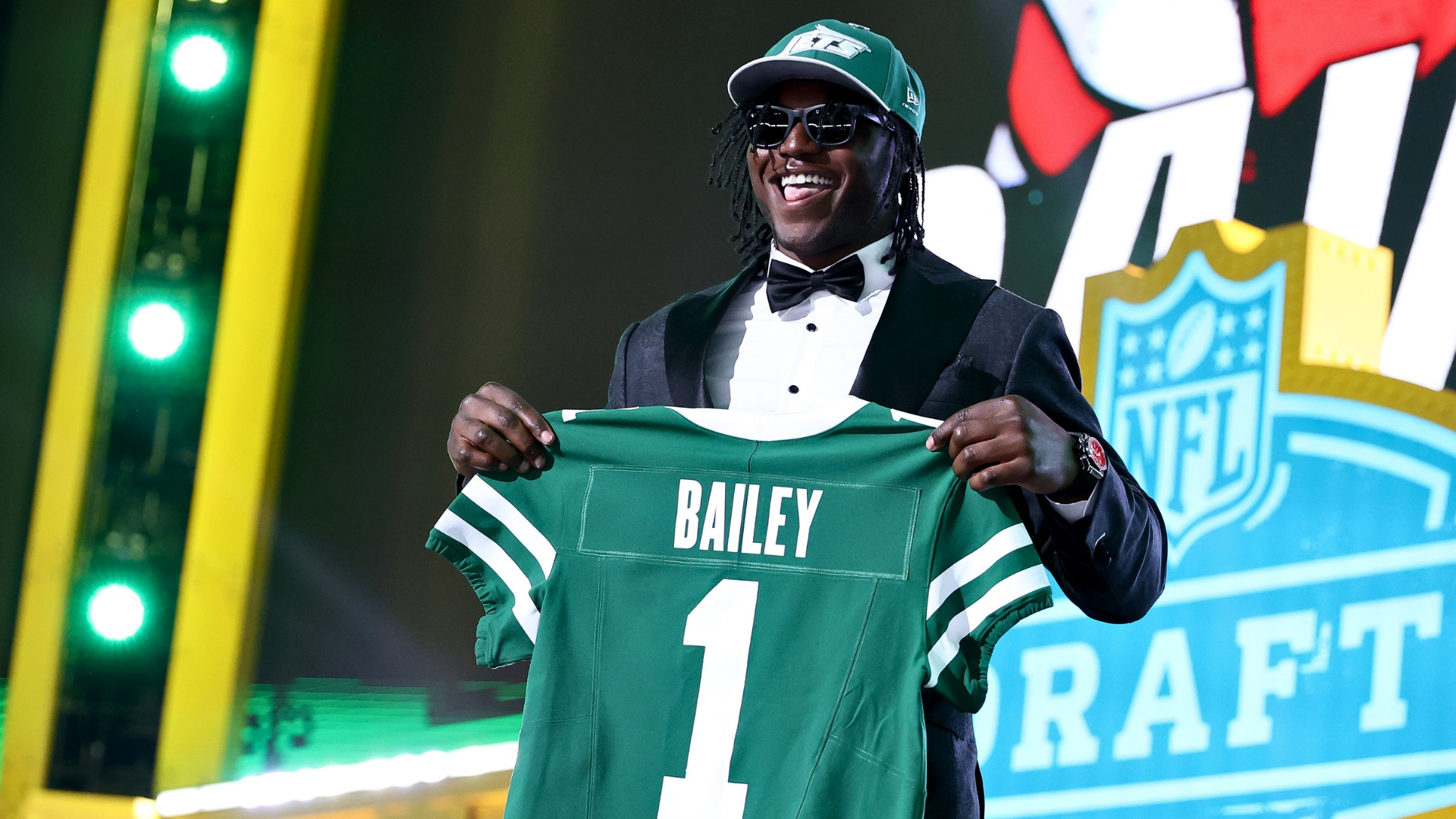
GettyDavid Bailey of Texas Tech poses after being selected second overall pick by the New York Jets during Round One of the 2026 NFL Draft at Acrisure Stadium on April 23, 2026 in Pittsburgh, Pennsylvania. (Photo by Emilee Chinn/Getty Images)
One of the clearest themes from this draft is the Jets’ emphasis on certainty over projection. In previous years, the organization often targeted players based on perceived upside, even if that required position changes or developmental leaps. That strategy frequently created longer timelines and inconsistent returns.
This class reflects a different philosophy.
The selection of David Bailey illustrates that shift. Rather than drafting a hybrid defender or an athlete who needed to be molded into a role, the Jets chose a player with a proven track record as a pass rusher. That reduces developmental ambiguity and increases the likelihood of early contribution.
That same logic applies across the offensive additions. Kenyon Sadiq brings elite athletic traits, but within a defined framework as a mismatch weapon rather than a project. Omar Cooper Jr. enters a receiver room where his skill set complements existing pieces instead of duplicating them. D’Angelo Ponds addresses a secondary need with a player capable of competing for snaps early in his career.
Collectively, these decisions point to a front office prioritizing role clarity, roster balance, and immediate usability. That reduces risk not by lowering upside, but by eliminating unnecessary variables.

Organizational Alignment Is the Real Development
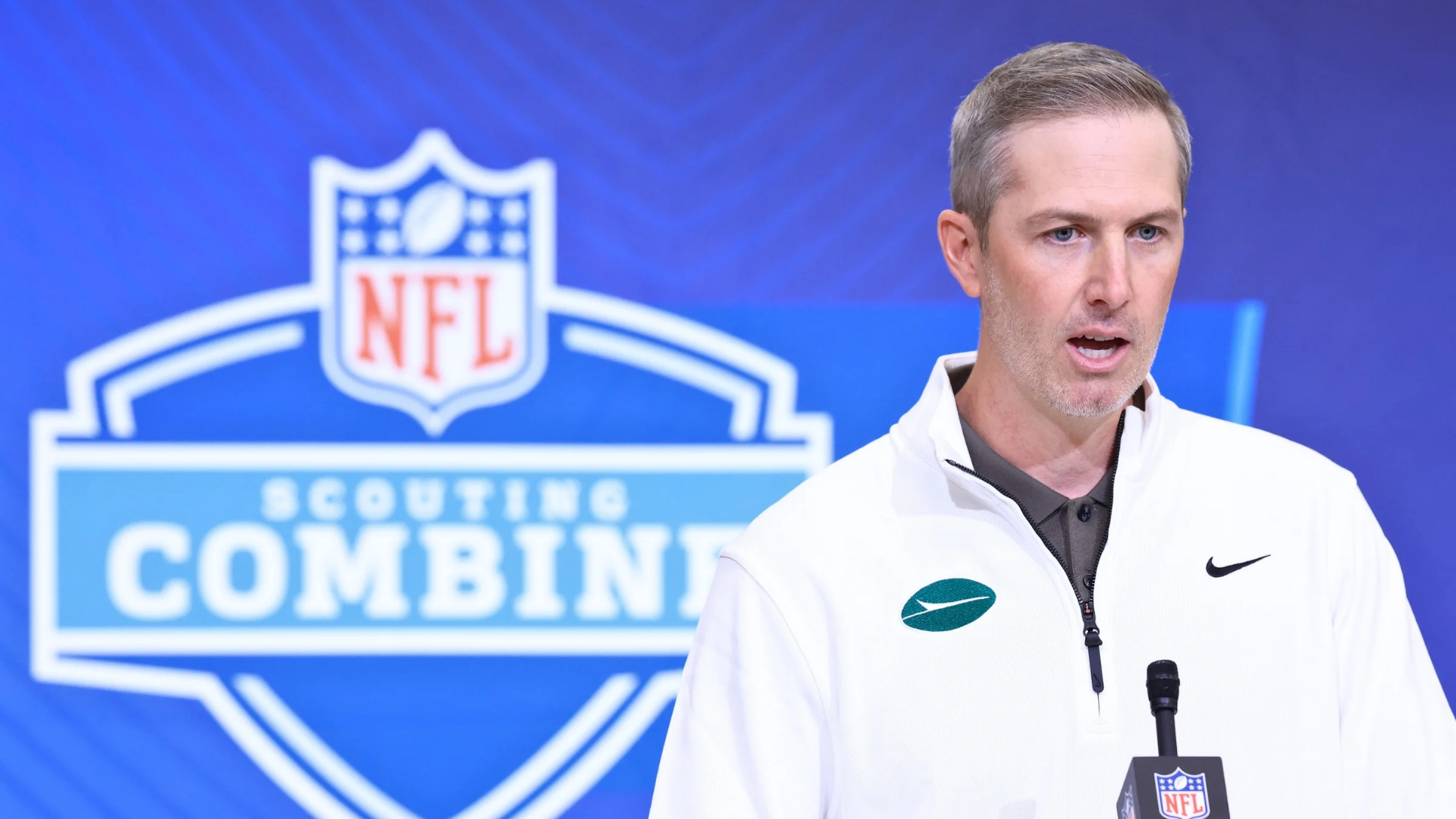
GettyGeneral manager Darren Mougey of the New York Jets speaks to the media during the 2026 NFL Scouting Combine at Lucas Oil Stadium on February 24, 2026 in Indianapolis, Indiana. (Photo by Justin Casterline/Getty Images)
Beyond individual selections, Costello’s reporting emphasizes a more significant structural change. The working relationship between head coach Aaron Glenn and general manager Darren Mougey appears more coordinated and intentional entering their second year together.
That is not a minor detail.
The Jets’ past failures have often been tied to misalignment between coaching staff and front office priorities. Differences in evaluation, scheme fit, and roster timelines created friction that ultimately affected player development and in-game execution.
This draft suggests a more unified approach.
Mougey’s reported shift toward a more analytical draft model, including studying historical draft patterns and refining internal grading systems, provides a structured framework for decision-making. At the same time, Glenn’s offseason adjustments, particularly changes to his coaching staff and communication style, indicate a willingness to adapt after a 3-14 season.
When those elements function together, the result is a clearer organizational identity. That identity becomes critical when developing young players, managing in-game decisions, and maintaining consistency across multiple seasons.

The Quarterback Decision Reflects a Long-Term Correction

GettyBrady Cook #4 of the New York Jets warms up before the game against the Buffalo Bills at Highmark Stadium on January 04, 2026 in Orchard Park, New York. (Photo by Jason Miller/Getty Images)
Perhaps the most meaningful takeaway from this draft is what the Jets chose not to prioritize. They did not force a quarterback selection, despite the position’s importance and the franchise’s history of instability at that spot.
That restraint represents a philosophical shift.
Previous regimes accelerated quarterback timelines without building adequate support structures. Sam Darnold entered a roster lacking protection and offensive continuity. Zach Wilson faced similar challenges, with inconsistent line play and limited surrounding talent.
The current approach attempts to reverse that sequence.
By strengthening the offensive line and adding multiple pass-catching options, the Jets are constructing an environment where a future quarterback can operate efficiently from the start. This reduces pressure on that player to compensate for systemic weaknesses and increases the likelihood of sustainable development.
It also raises expectations for the current leadership group.
If the roster infrastructure improves, evaluation will shift toward coaching effectiveness, in-game management, and player development. Owner expectations will likely reflect that shift as well, particularly when determining the long-term futures of Glenn and Mougey.

Why This Matters Now
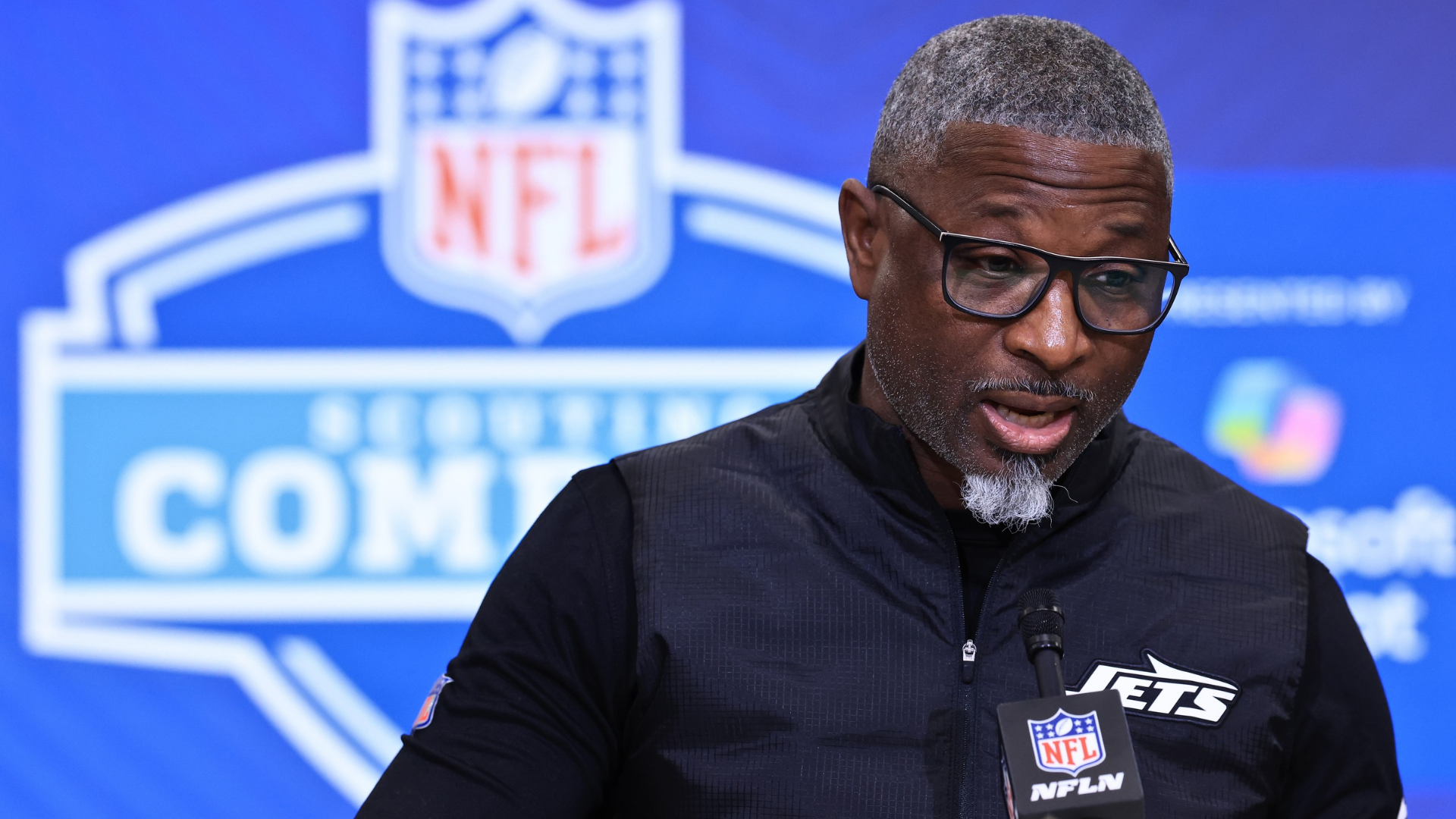
GettyHead coach Aaron Glenn of the New York Jets speaks to the media during the 2026 NFL Scouting Combine at Lucas Oil Stadium on February 24, 2026 in Indianapolis, Indiana. (Photo by Justin Casterline/Getty Images)
The Jets are still months away from playing a meaningful game. None of these decisions guarantee success, and the evaluation of this draft will ultimately depend on player performance.
However, the process behind those decisions offers a measurable change.
For a franchise that has often relied on reactive moves and short-term fixes, establishing a consistent, logical approach to roster construction is a necessary step toward stability. If that process holds through the season, it could provide a foundation that extends beyond a single draft class.
The next phase will test whether that alignment translates to results on the field. Player development, in-game adjustments, and overall team competitiveness will determine whether this approach represents a turning point or another temporary reset.
For now, the Jets have done something they rarely sustain.
They have made decisions that fit together.
And that may be the most important development of all.
Like HEAVY’s content? Be sure to follow us.
This article was originally published on HEAVY
The post Jets Quietly Fix Biggest Problem in Draft appeared first on HEAVY.