Mother Nature shines at these seven protected areas, thanks to communities and coalitions that monitor and govern each spot so they remain pristine for generations. Travelers are asked to visit with this intent in mind and explore using official guides, treading lightly and leaving not a trace behind.
Banff National Park, Canada
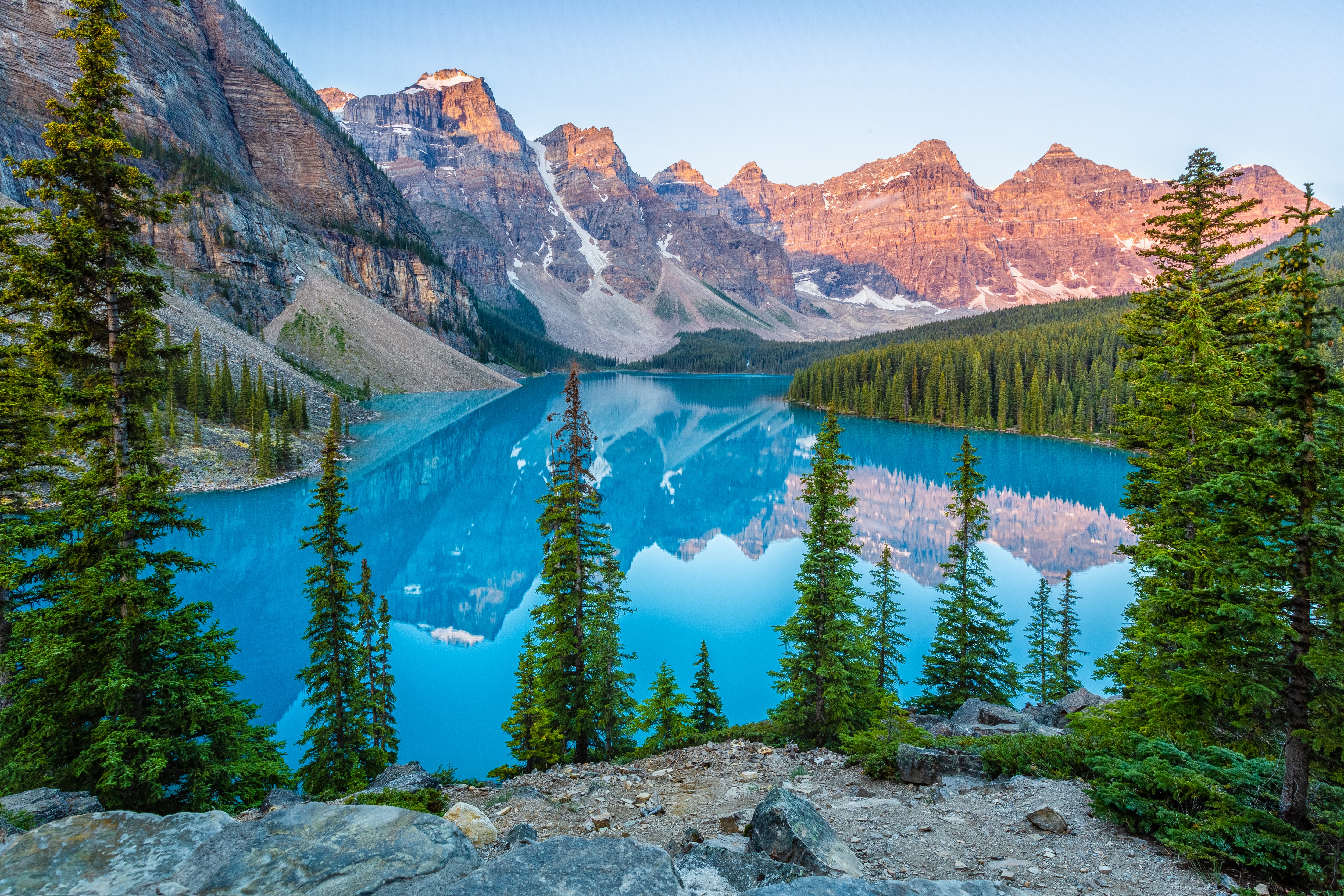
Canada’s first national park is “brimming with natural beauty,” and its Rocky Mountain peaks and glacial lakes are only some of the “treasures” found in this “alpine wonderland,” said Condé Nast Traveler. The varied landscapes offer “geological drama,” filled with “spectacular” wildlife like moose, black bears and elk. There’s “no bad season to visit,” with canoeing popular in the summer, hiking and biking perfect for spring and fall, and skiing and snowshoeing made for winter.
Fiordland, New Zealand
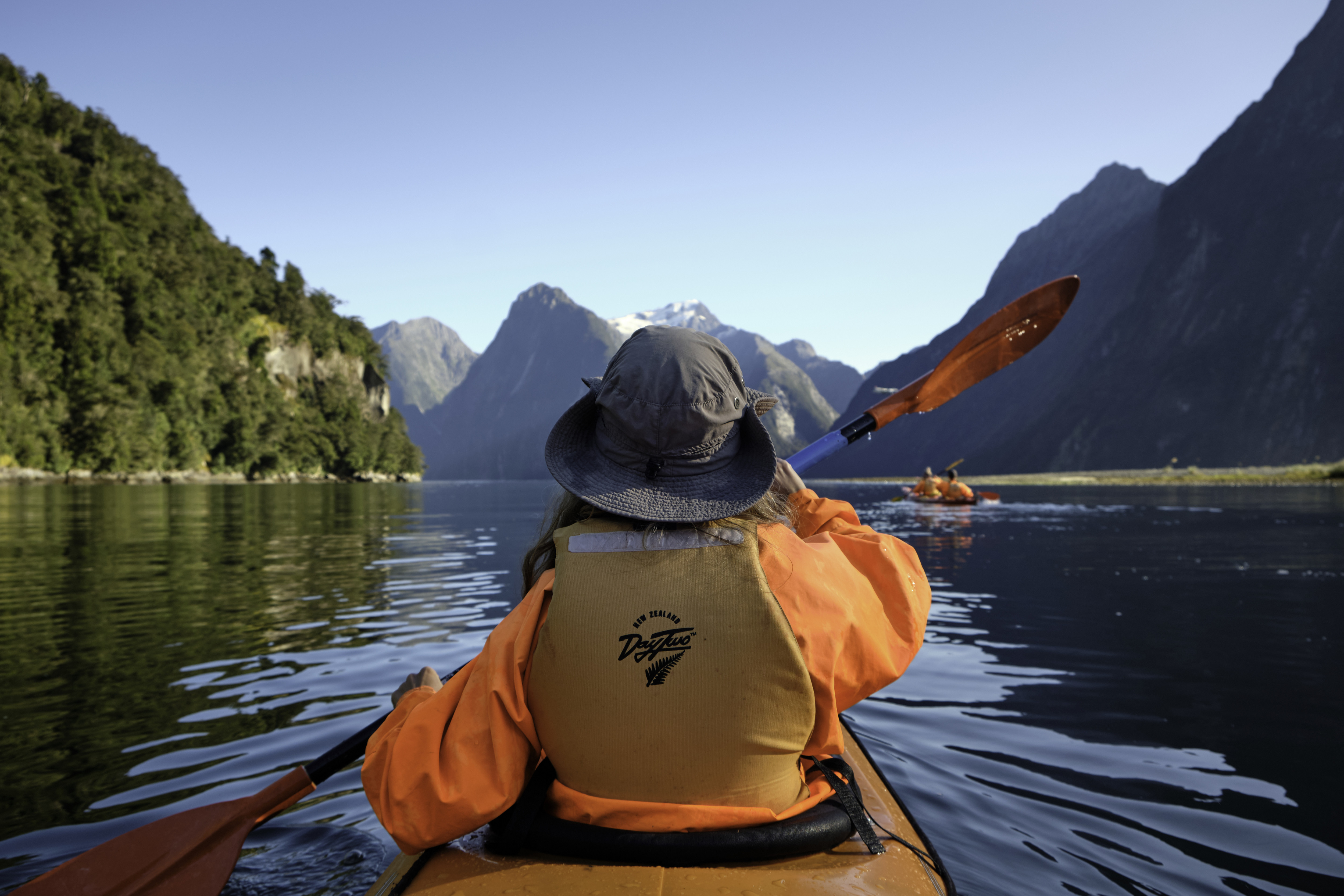
Stretching across 5,000 square miles of southwestern New Zealand is Fiordland, the country’s largest national park. In a “land renowned for rugged beauty and heavenly wilderness,” Fiordland stands out with its “almost otherworldly splendor,” said Thrillist.
There is a lot to take in. The landscape includes forests, lakes, fjords, massive peaks and “craggy” coastlines, all home to “endangered wildlife found nowhere else on Earth,” said Thrillist. There are a few activities that every visitor should try to do, like take a cruise around Milford Sound. The sound is the park’s “most famous” fjord, and getting there involves a four-hour journey one of the “most scenic routes on the planet.”
Salar de Uyuni, Bolivia
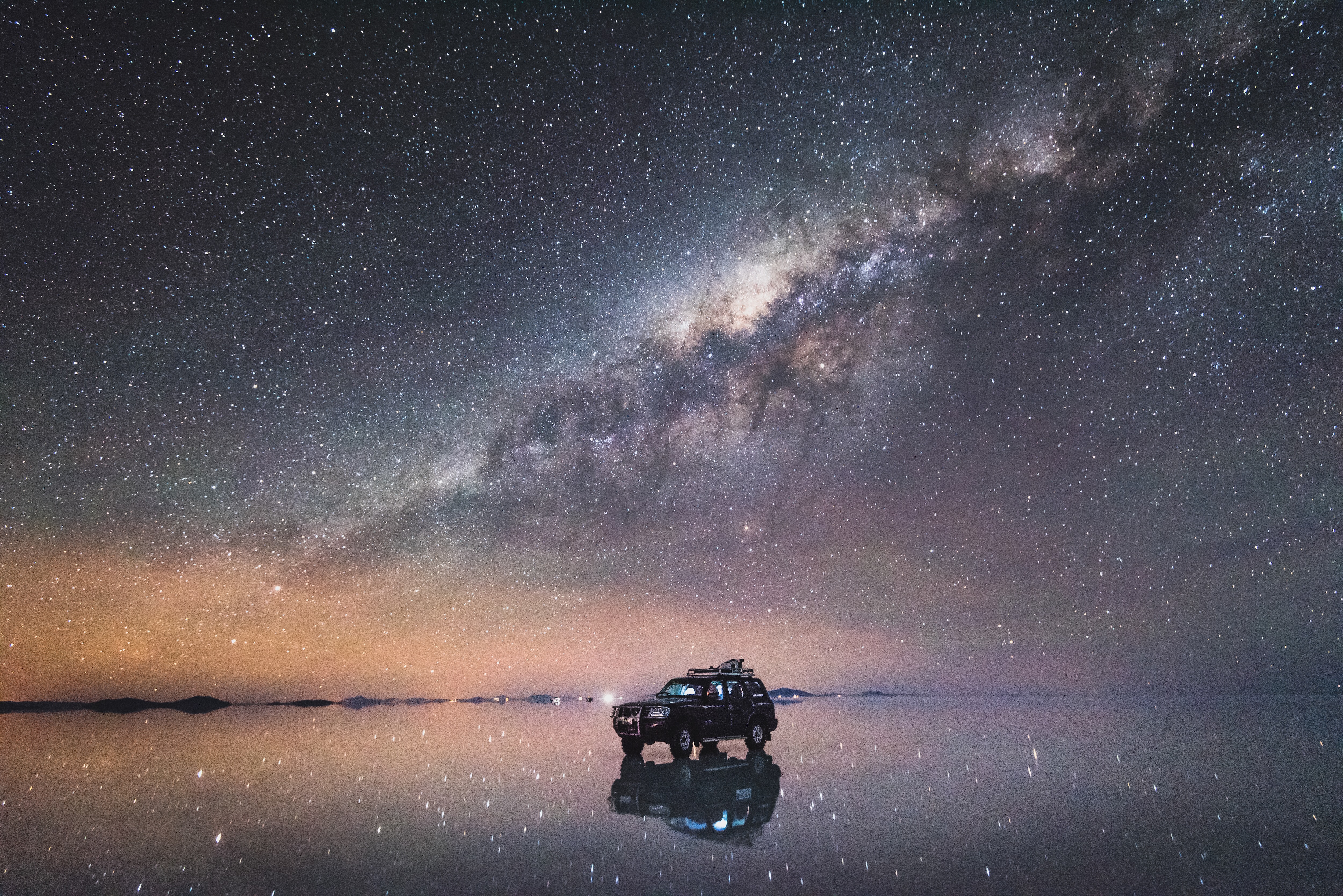
The Andes’ Salar de Uyuni, at 4,000 square miles, is the world’s largest salt flat, formed by dried prehistoric lakes. Your experience depends on the time of year you visit.
It’s dry from May to November, and the flats are hard and can handle the weight of 4×4 vehicles. But when it rains December through March, the flats “transform into a gargantuan reflective mirror,” said Vogue. Stargazers should head to Salar de Uyuni between June and August, when the skies are at their clearest.
Tainui Atea, French Polynesia
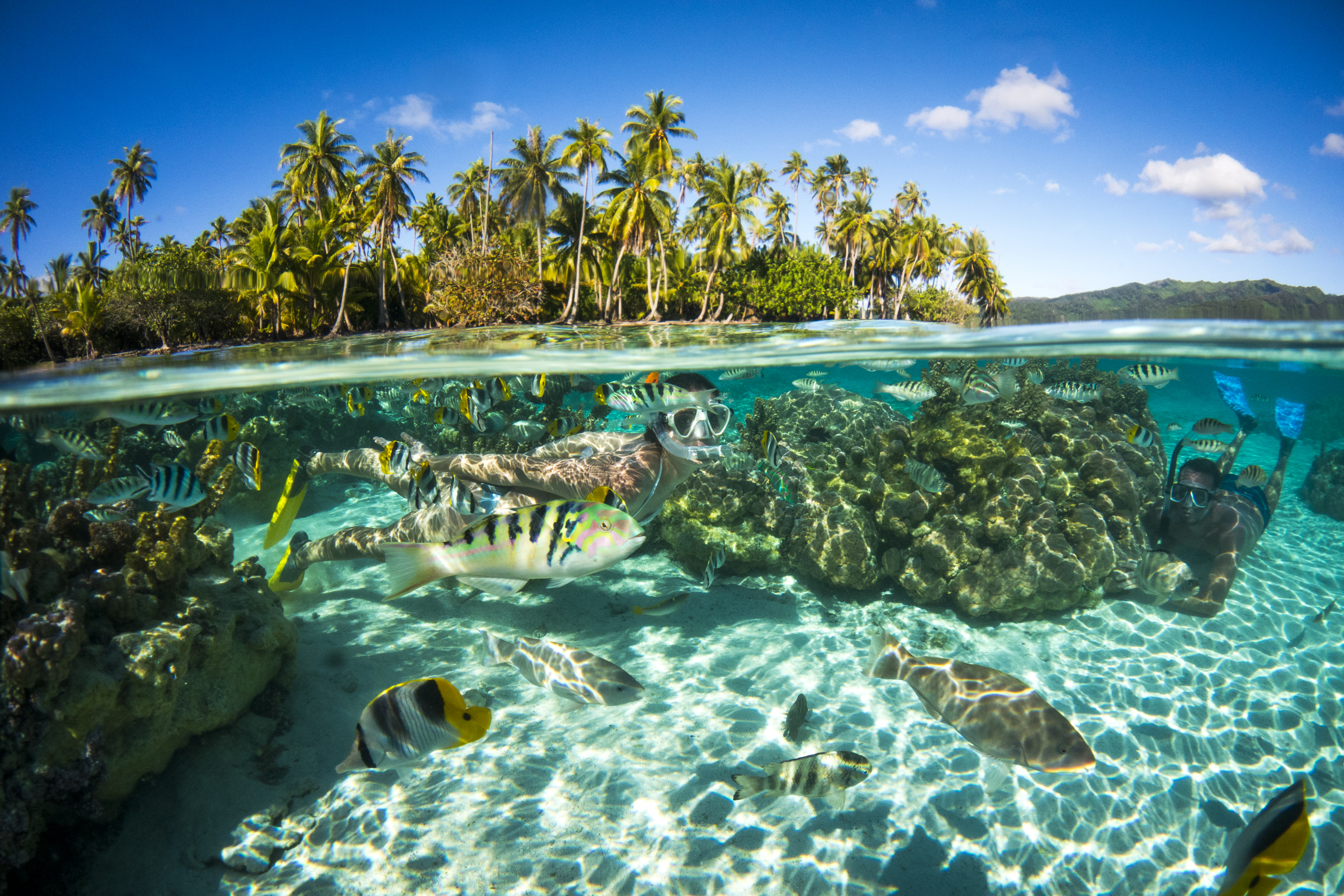
On arrival, visitors to the Tahitian islands immediately notice the clear, clean waters of Tainui Atea. It’s the world’s largest marine protected area, spanning nearly 2 million square miles.
Seabed exploitation and fish-aggregating devices are prohibited, and as a result, the area has healthier reefs and lagoons, and stronger marine ecosystems. Travelers are encouraged to respectfully dive right in and go swimming, or hire local guides for outrigger canoeing and surfing lessons, kayaking trips, and diving and snorkeling excursions.
Trang An Landscape Complex, Vietnam
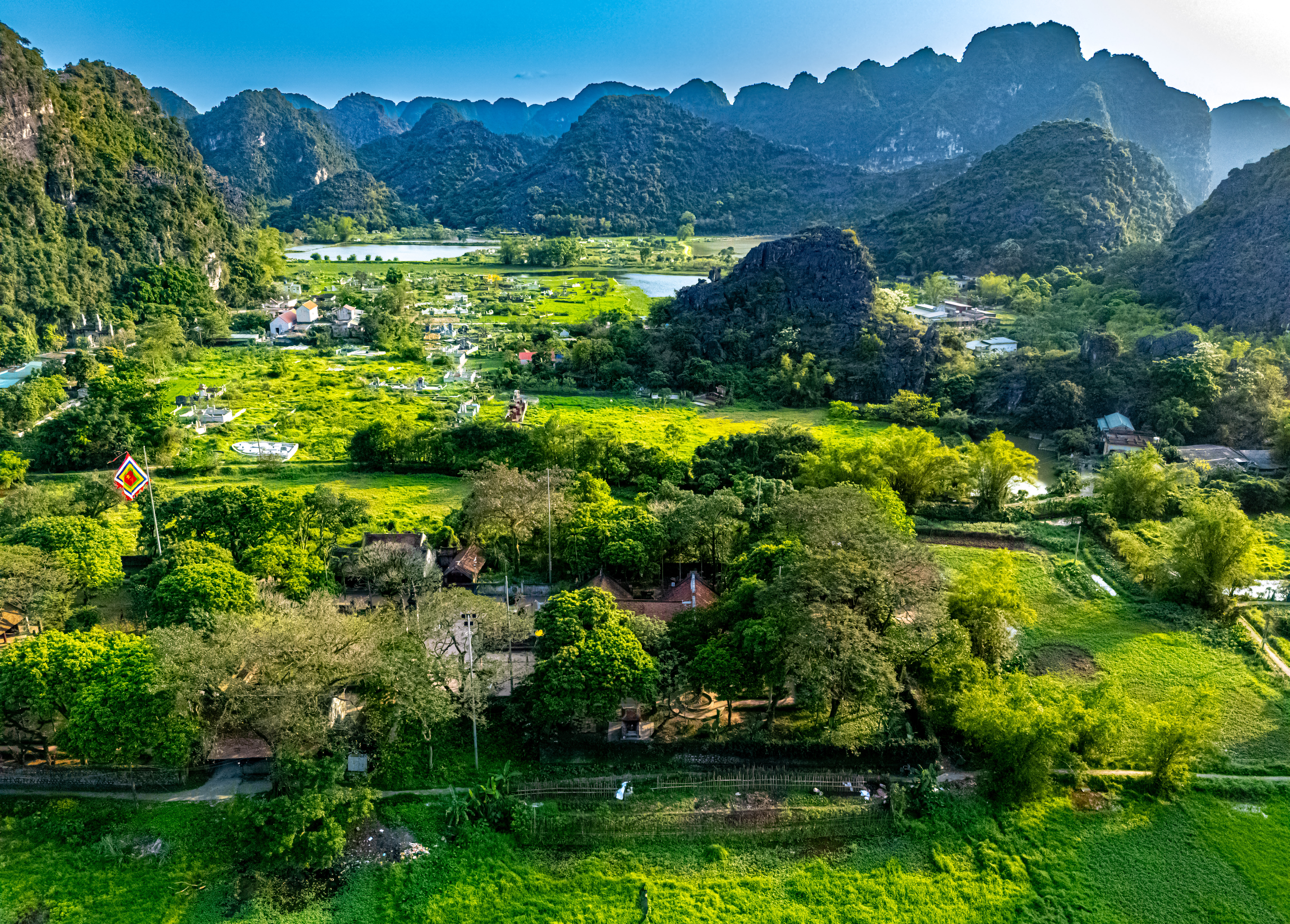
This “sublime” area is dominated by “hulking” limestone karst peaks and sweeping valleys dotted with pagodas and temples, said Afar. It is situated on the Red River Delta, and no visit is complete without climbing into a boat or kayak and meandering past the steep cliffs.
There are also dozens of ancient caves to explore, with many accessible only from the water. Trang An was named a UNESCO World Heritage Site in 2014 as a mixed cultural and natural property.
Vatnajokull National Park, Iceland
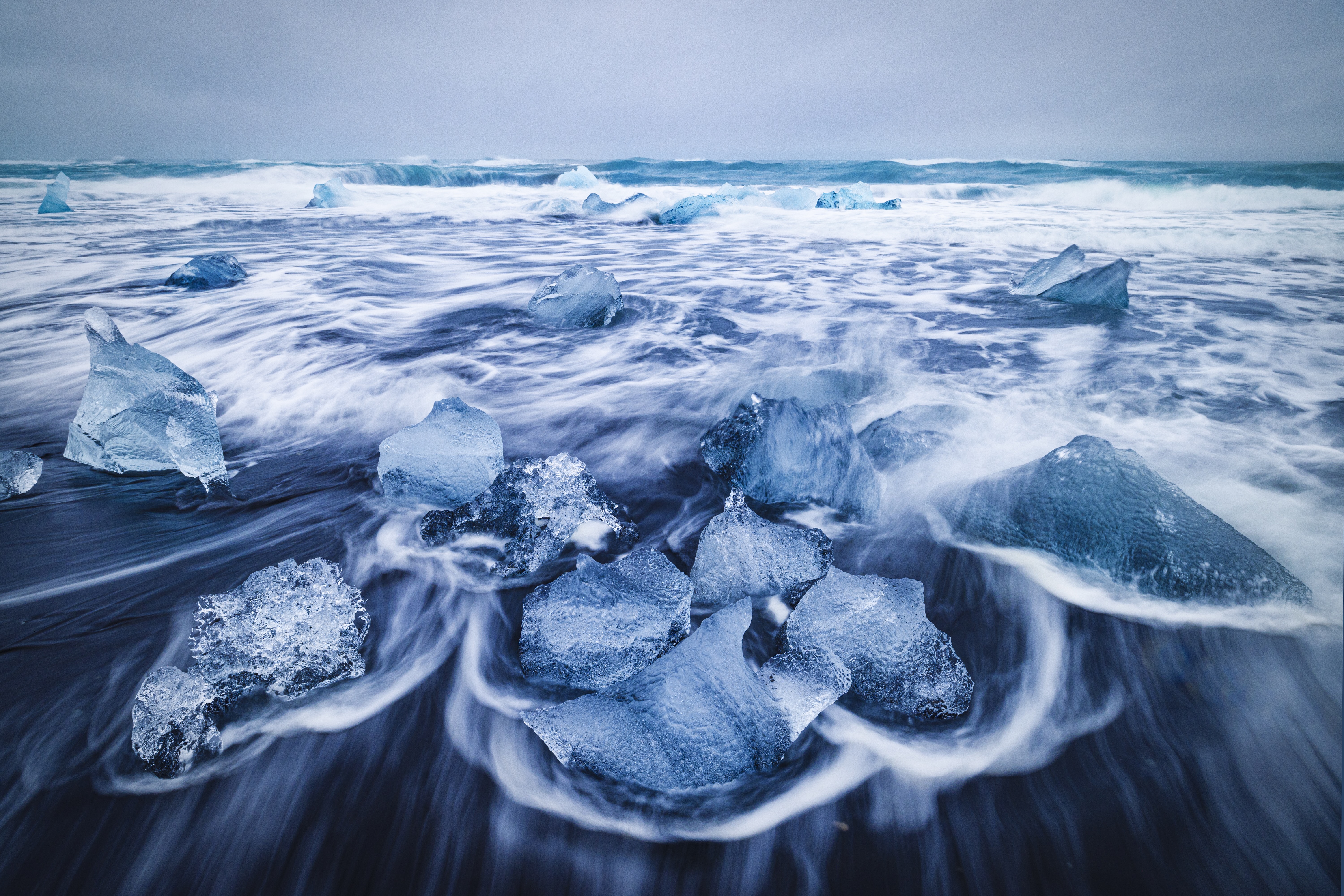
The “stunning” Vatnajokull ice cap may be the main draw of Vatnajokull National Park, but there’s “plenty else for visitors to see and delight in,” said Travel and Leisure. Jokulsarlon, a lagoon with “very photogenic” blue waters, is a popular spot, as is Diamond Beach, where “chunks of ice wash up on its black sand shores.”
Visit during the winter to see the Skaftafellsjokull glacier when it “extends to lower elevations,” said Travel and Leisure. Iceland is known for its dramatic landscapes, and Vatnajokull National Park offers the finest examples of “millennia of interplay between fire and ice.”
Volcanoes National Park, Rwanda
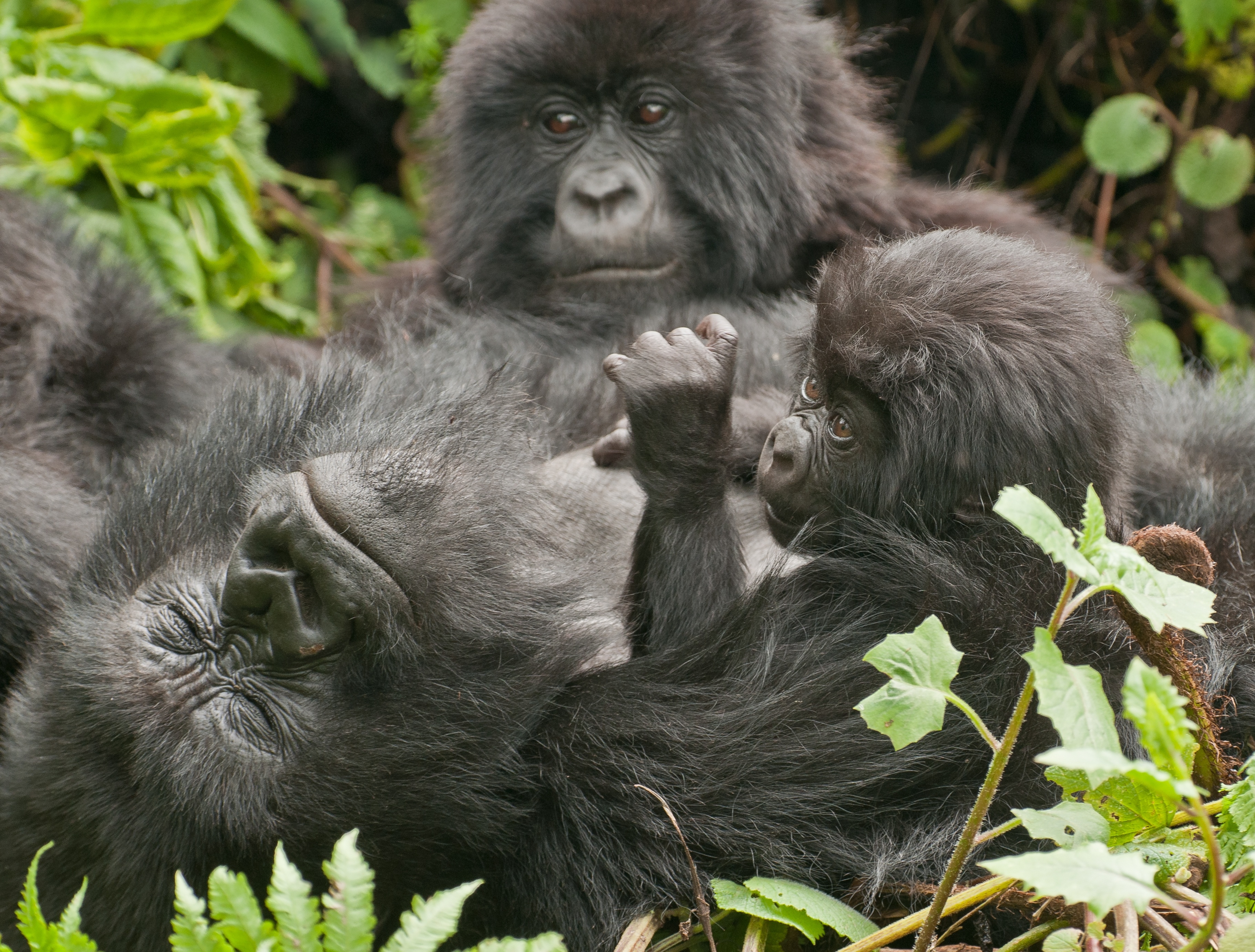
Gorilla trekking in Volcanoes National Park is on countless bucket lists — for solid reason. The park is “one of the best places” to spot mountain gorillas, with expert rangers leading groups into the forests, said Travel and Leisure.
Once the animals are found, you can watch at “close range” as they “feed, interact with each other and appraise their human visitors,” said Travel and Leisure. There are “luxurious” accommodations inside the park, where you can unwind after the high of seeing gorillas in the wild.