With the United States celebrating in 2026 the 250th anniversary of the signing of the Declaration of Independence, Americans are reflecting on how historical highs — and lows — shaped the country into the nation it is today. The occasion comes at a time when national parks and historic sites are “at risk” and “government officials are removing, often without explanation, exhibits that enable us to see through the eyes of people who lived in a world different from our own,” said Carol Quillen at Time. Instead of shying from uncomfortable parts of the country’s past, take steps to better understand what happened by visiting places connected to movements and events like the abolition of slavery, the fights for civil and women’s rights and the forced displacement of Indigenous tribes and Japanese Americans.
Manzanar National Historic Site, Inyo County, California
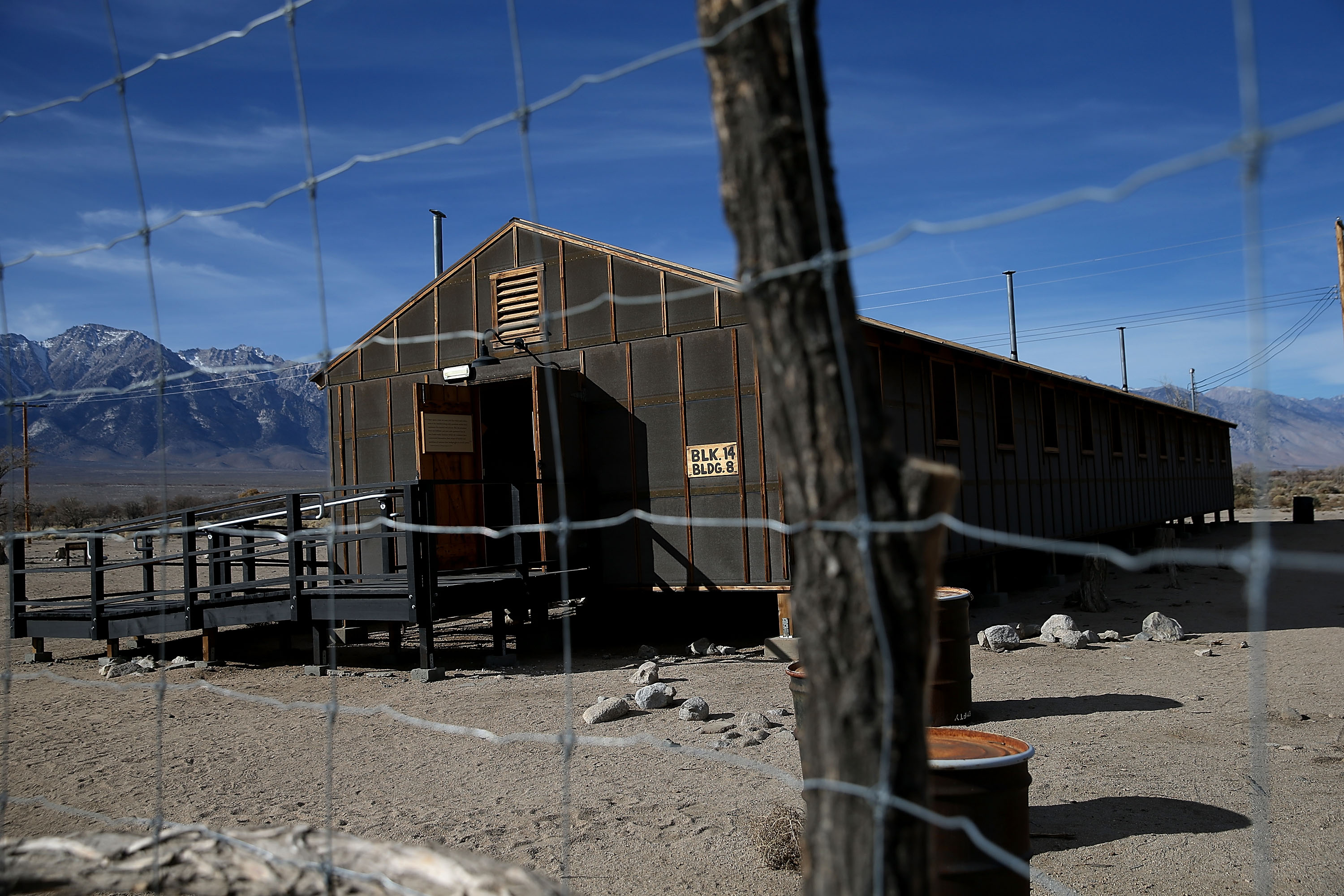
Two months after the attack on Pearl Harbor, President Franklin D. Roosevelt signed Executive Order 9066, authorizing the forced removal from the West Coast of those deemed a threat to national security. This resulted in the U.S. government incarcerating more than 110,000 Japanese Americans and Japanese immigrants in 10 camps, which operated until the end of World War II. The most well-known camp, California’s Manzanar War Relocation Center, held more than 10,000 people, all of them “crowded into barracks, surrounded by barbed wire and guard towers with searchlights and patrolled by military police,” said The Guardian.
Manzanar is now a national historic site, where visitors can watch the short film “Remembering Manzanar,” explore a museum filled with historic images and artifacts and step inside Block 14. There are two barracks buildings, a mess hall and a women’s latrine, providing insight into what it was like to live here during incarceration. Further out, a cemetery monument stands in honor of the 150 people who died at the camp during their imprisonment.
Where to learn more: Manzanar isn’t the only War Relocation Center open to the public. You can also visit Tule Lake in California and Minidoka in Idaho, with plans underway to turn Amache in Colorado into a national historic site. Objects donated by people incarcerated at Amache are on display at the Amache Museum in Granada, including suitcases, tea crates and clothing.
National Civil Rights Museum at the Lorraine Motel, Memphis
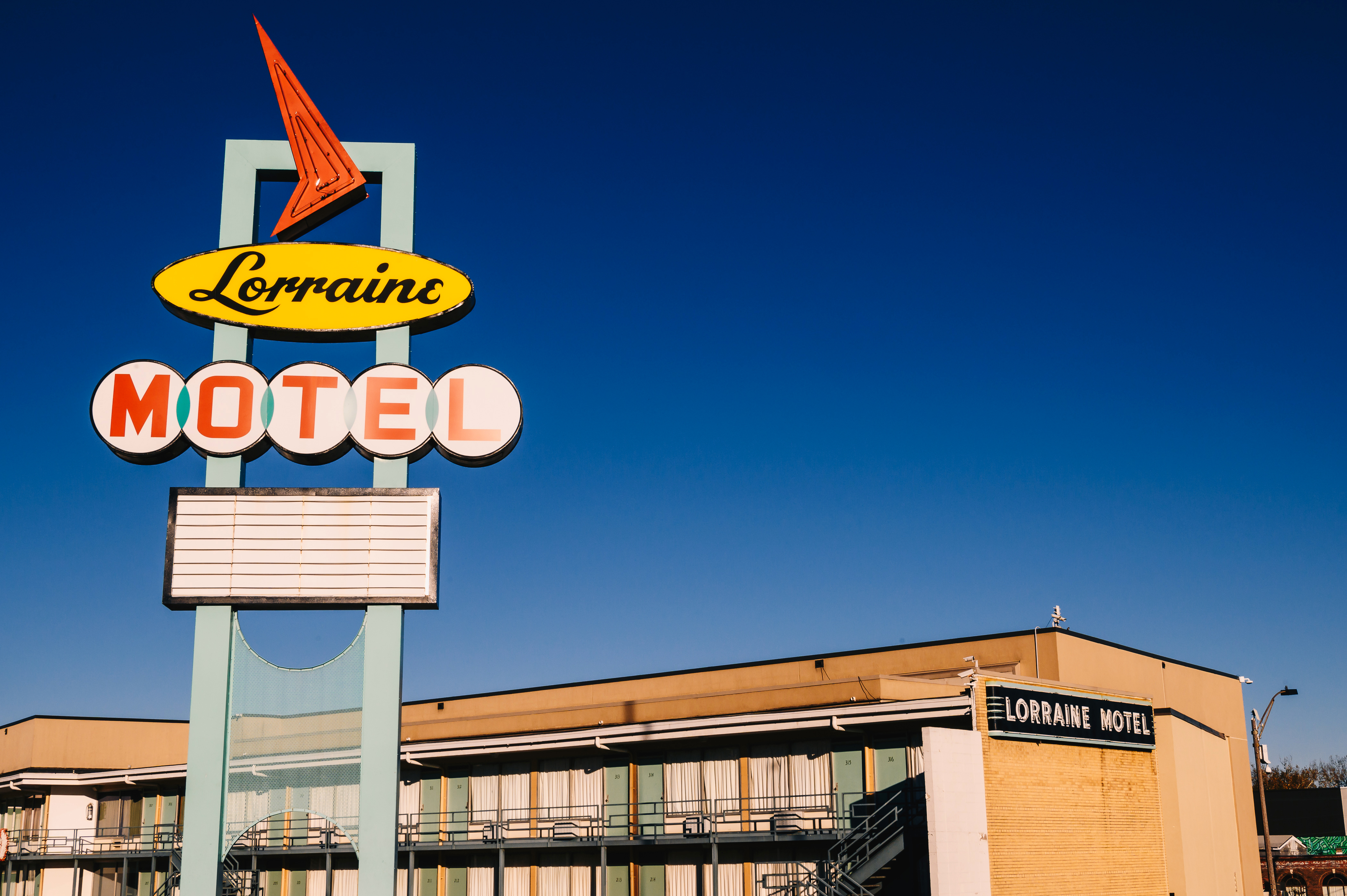
In their quest for equal rights for Black Americans and an end to racial segregation, civil rights leaders and members of the movement tried many different tactics: protests, sit-ins, boycotts, marches and freedom rides. At the National Civil Rights Museum, all these efforts are given the attention and respect they deserve, with visitors able to learn more about “some of the most important wins for freedom and equality in the U.S.” while “connecting them to current happenings,” said Time Out. Exhibitions guide visitors through “enslaved peoples’ fight for freedom, the Civil War and Reconstruction, Jim Crow and resistance efforts in the 1960s,” with visitors able to listen to interact with media, listen to oral histories and watch films.
The museum is at the site of the former Lorraine Motel, where Dr. Martin Luther King Jr. was assassinated in 1968. During segregation, this was one of the properties where Black travelers could spend the night, and King often stayed at the motel when in Memphis.
Where to learn more: The U.S. Civil Rights Trail connects important landmarks in 15 states, including Little Rock Central High School in Arkansas, integrated by the Little Rock Nine in 1957; the 16th Street Baptist Church in Birmingham, Alabama, where four Black girls were killed in a 1963 bombing; and the Emmett Till Historic Intrepid Center in Glendora, Mississippi, a museum with exhibitions on the young Black teenager’s life and his lynching by a white mob.
Trail of Tears National Historic Trail, various states
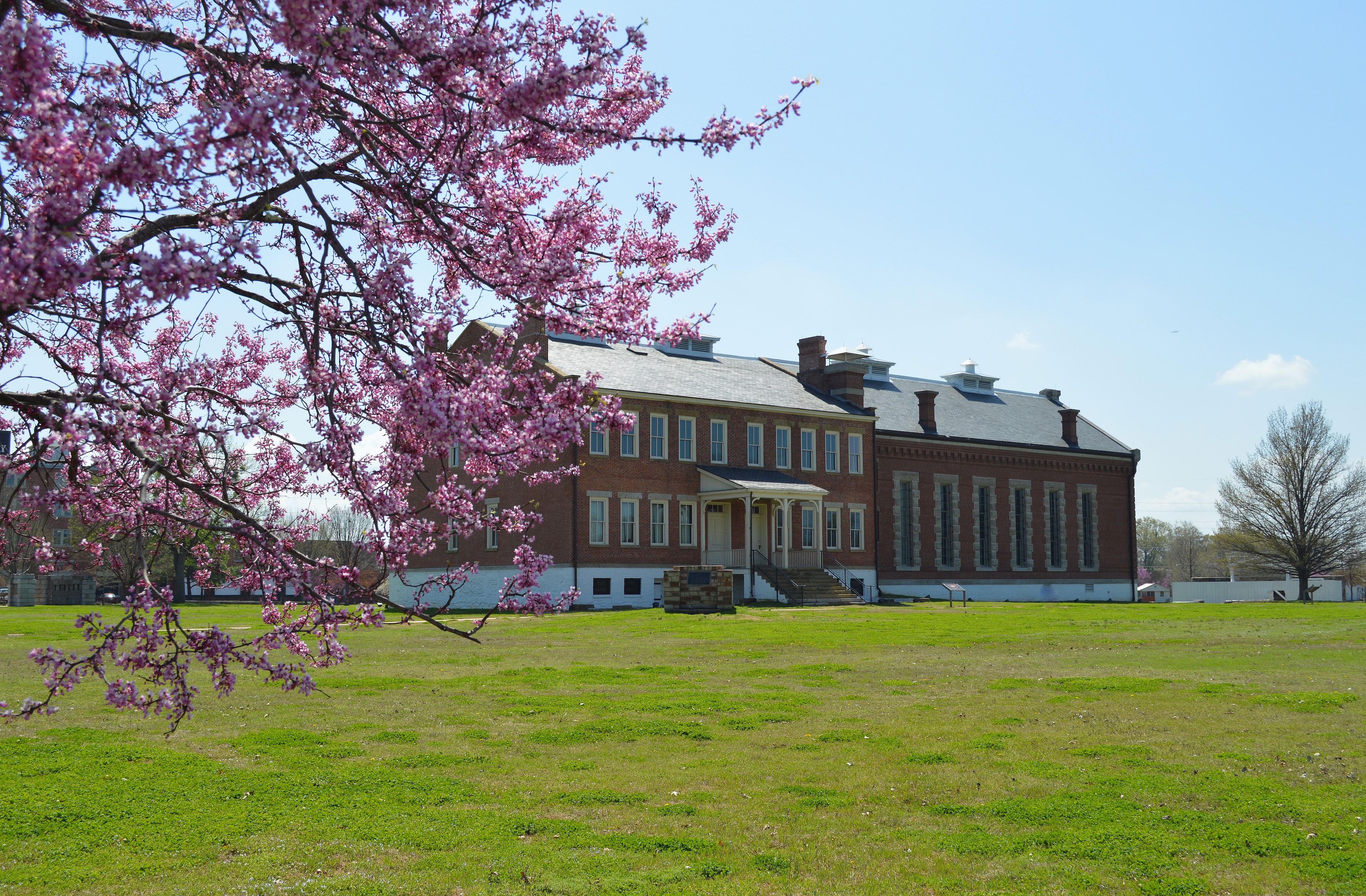
Between 1830 and 1850, the U.S. government forcibly removed members of the Cherokee, Muscogee, Seminole, Chickasaw and Choctaw nations from their land in the southeast to a new Indian Territory west of the Mississippi River. The removal came after the Indian Removal Act was passed and signed by President Andrew Jackson in 1830, as gold was discovered on Cherokee land and white settlers jockeyed for more acreage. About 100,000 women, men, children and enslaved people made the brutal trek, with an estimated 15,000 dying of disease and starvation along the way or shortly after resettlement.
The Trail of Tears National Historic Trail passes through Alabama, Arkansas, Georgia, Illinois, Kentucky, Missouri, North Carolina, Oklahoma and Tennessee, covering 2,200 miles of land and water. All five of the displaced tribes walked through the trail’s segment near Prairie Grove, Arkansas, and visitors who go there today can “feel the weight” of its past, said Atlas Obscura. The endpoint of the trail is Tahlequah, Oklahoma, the capital of the Cherokee Nation, and the nearby Cherokee Heritage Center “holds archives, oral histories and a reconstructed 17th-century village,” putting the “removal into the longer sweep of Cherokee civilization.”
Where to learn more: An outstanding example of ancient Indigenous life can be found at the Mesa Verde National Park in southwestern Colorado. Thousands of years ago, the Ancestral Pueblo lived in tight-knit communities built into the mesas and cliffs of this region, and the dwellings, made of sandstone, mortar and wooden beams, remain in good condition. Ranger-led tours of these cliff dwellings are available May through October.
Stonewall Inn, New York City
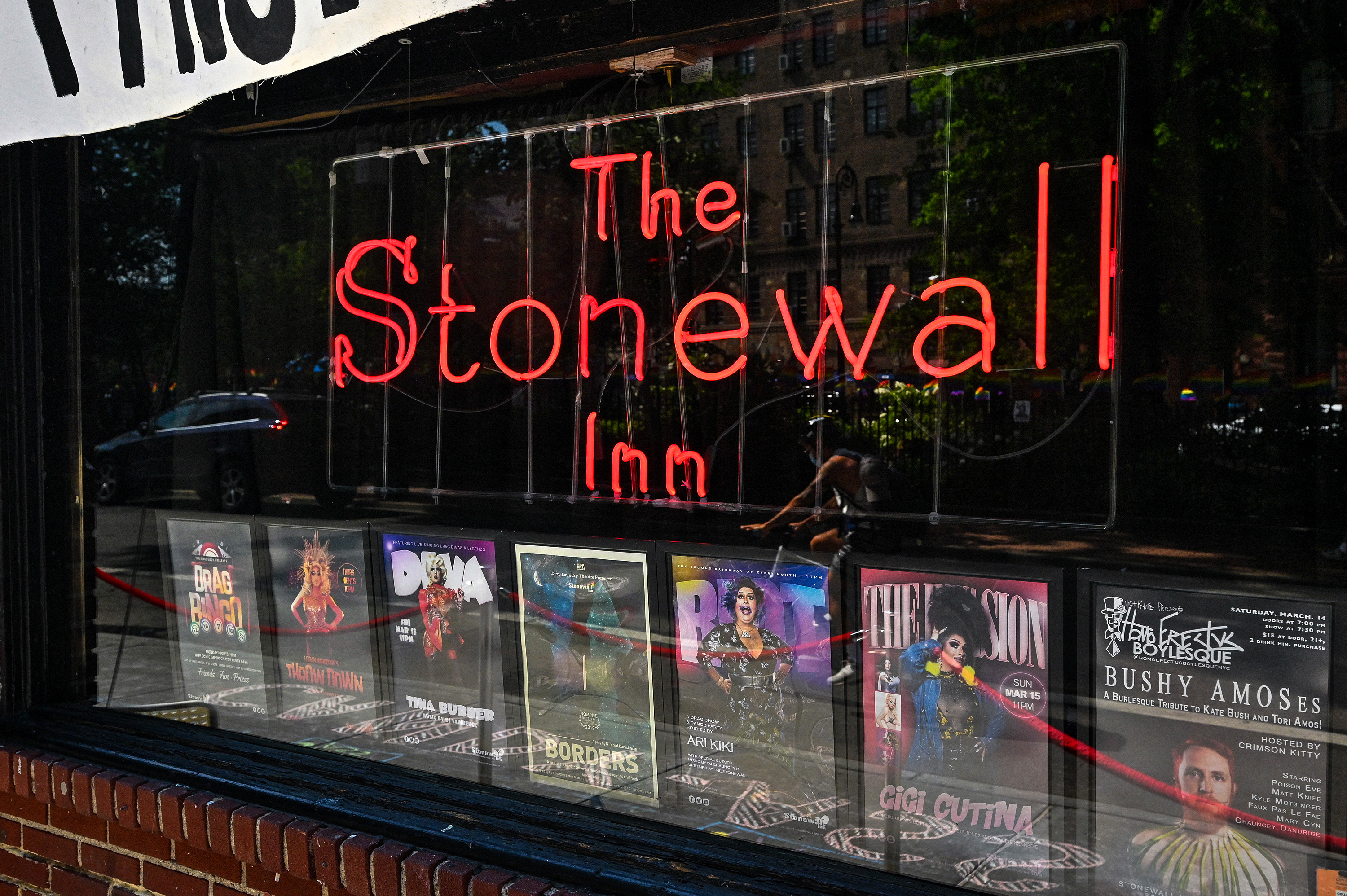
The June 28, 1969, police raid on the Stonewall Inn gay club was a turning point. At the time, it was illegal for someone to be spotted “holding hands, kissing or dancing with someone of the same sex” in public, and police harassment of gay bars was frequent, said History.com. The Stonewall Inn was a refuge for its clientele, and one of the few establishments that welcomed drag queens. Usually the bar would receive a tip that a raid was coming, but no such call arrived on June 28, and after officers came in, “roughed up patrons” and arrested 13 people, the fed-up community fought back.
Hundreds of angry customers and locals started throwing objects at the police and tried to set the bar on fire. The crowd finally dispersed, but protests continued for five more days. The riot was a galvanizing event and led to the creation of LGBTQ advocacy organizations like Gay Liberation Front and GLAAD. The Stonewall Inn still operates as a bar, and in 2024, a center opened next door to “educate visitors on the history of the Stonewall Uprising and the ongoing fight for equality,” said USA Today.
Where to learn more: San Francisco’s Castro District was one of the earliest gay neighborhoods in the United States, and is home to the GLBT Historical Society Museum, the country’s first museum dedicated solely to LGBTQ history and culture. A highlight of the museum is a segment of the original 1978 eight-color rainbow flag designed for San Francisco’s Gay Freedom Day.
Whitney Plantation, Wallace, Louisiana
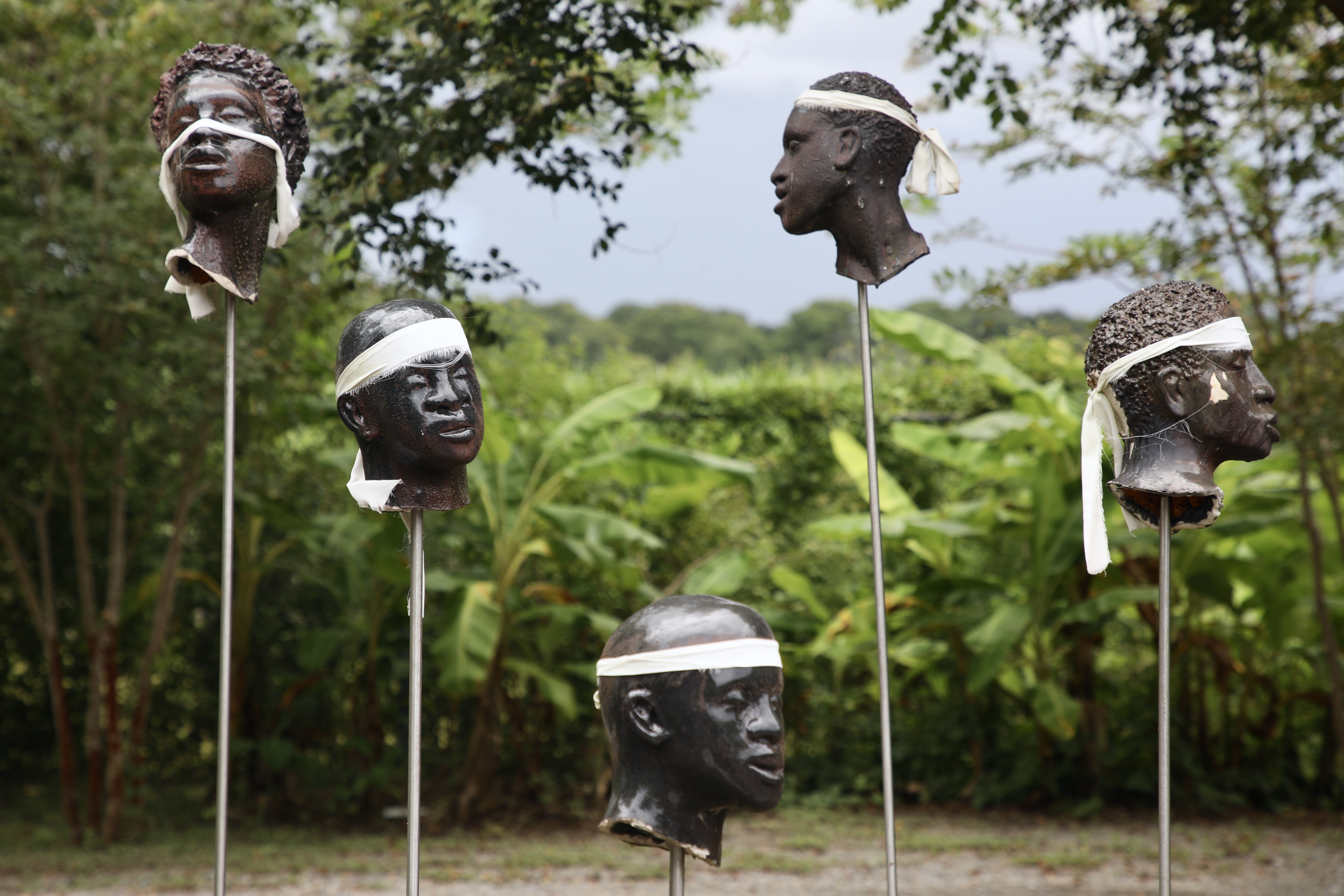
The reality of slavery hits visitors to the Whitney Plantation as soon as they arrive. There is no whitewashing here: The Whitney rejects the rosy antebellum view, focusing instead on slavery’s horrors. The audio tour goes into great detail about the lives of those once forced to work here, harvesting sugar and indigo. There are visual reminders of what they went through as well, like the two slave cabins, “ceramic sculptures of hollow-eyed slave children” and a “jarring” monument to a failed revolt featuring “multiple rows of spikes topped with what look like the decapitated heads of African American men,” said The Associated Press in 2017.
Sixteen original structures are on the property, along with two permanent exhibitions about the history of the transatlantic slave trade and slavery in Louisiana. Guided tours are available, and the Whitney Plantation describes its docents as “historical interpreters who share the full, unvarnished truth of the site’s history.” These excursions also offer access to the upstairs of the Big House, where the plantation’s owners once lived — after entering through the building’s rear, as an enslaved person would.
Where to learn more: The Old Slave Mart Museum in Charleston is the “oldest Black museum of slave artifacts in America,” almost entirely staffed by people “whose lineage can be traced to enslaved people in Charleston,” said The Post and Courier. Officials believe this may be the only former slave auction site still in existence in South Carolina.
Women’s Rights National Historical Park, Seneca Falls, New York
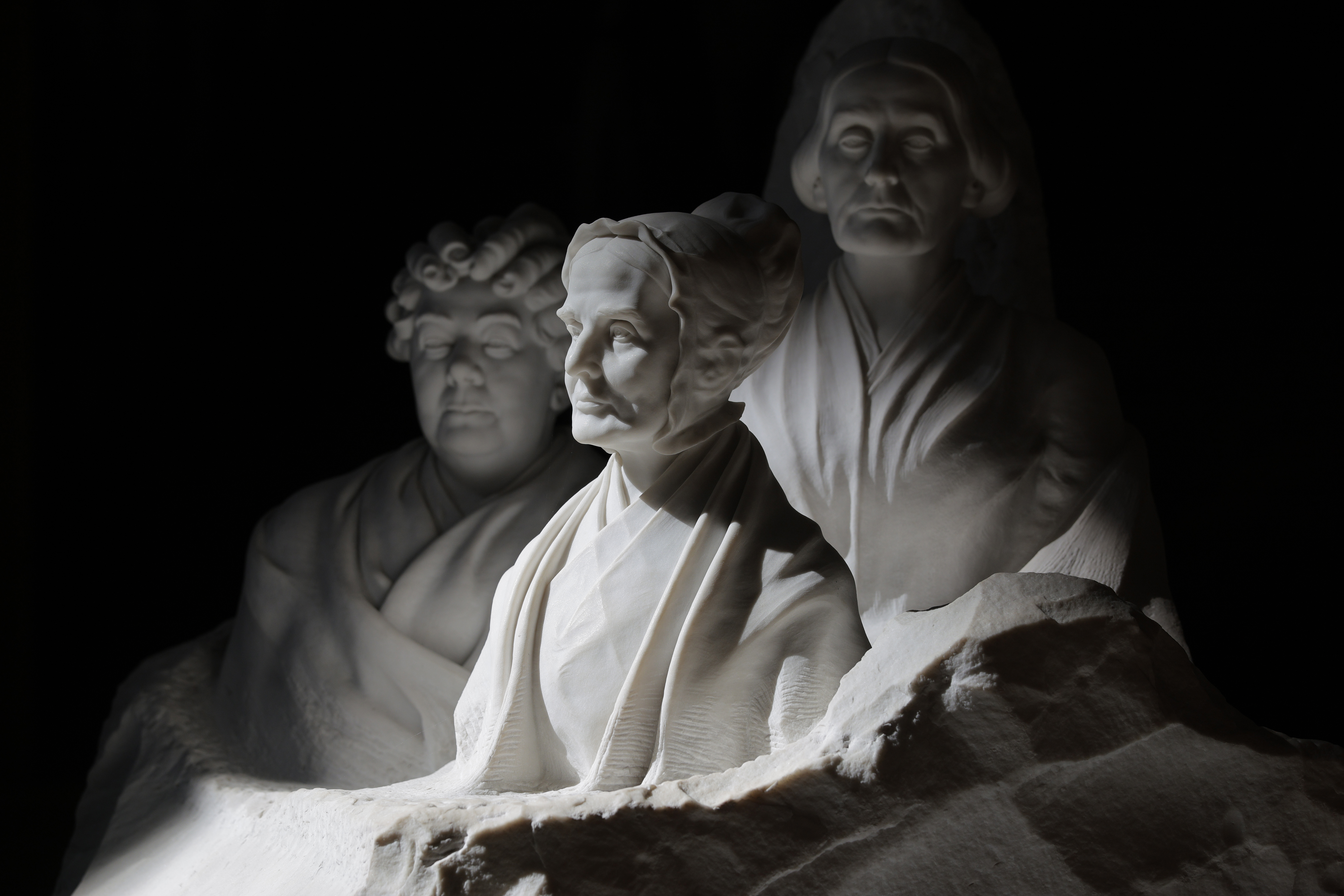
The women’s rights movement picked up steam in the 1830s, as women in the abolitionist space “gained experience as leaders, organizers, writers and lecturers” and used their new skills to fight for equality, said the National Women’s History Museum. After being denied full access to the World Anti-Slavery Convention in London, abolitionists and women’s rights activists Elizabeth Cady Stanton and Lucretia Mott decided in 1848 to hold the Seneca Falls Convention in Seneca Falls, New York. There, they presented a Declaration of Sentiments, which was written using the language of the Declaration of Independence as a guide. It called for legal, political and economic equality for women and cultural reform.
Change didn’t happen overnight — the 19th Amendment, prohibiting the federal government from denying citizens the right to vote based on sex, wasn’t ratified until 1920. But more people joined the fight. Their hard work is recognized at the Women’s Rights National Historical Park in Seneca Falls. Visitors can learn about the “struggles and triumphs” of the Seneca Falls Convention and “explore the grounds where it all happened,” said Lonely Planet. There’s also an impressive bronze statue representing the “first wave” of women’s rights activists, including Stanton, Mott and Frederick Douglass.
Where to learn more: New York was home base for many remarkable 19th century women, including Harriet Tubman. After the Civil War, she spent five decades living in Auburn, in the Finger Lakes region. Visitors can still go to the “homes, church and landmarks” that shaped her life “after liberation,” said Afar. Plan on seeing her brick home at the Harriet Tubman National Historic Park; her house of worship, Thompson Memorial A.M.E. Zion Church; and the Seward House Museum, a stop on the Underground Railroad.