Malta’s 300 days of sunshine a year draw visitors, but there is much more to this island between Sicily and North Africa than optimal weather. Its history isn’t tucked away in corners, but on full display in the cities of Valletta and Mdina, and landmarks like St. John’s Co-Cathedral and the Megalithic Temples of Malta. Natural beauty also shines along the rugged coastline and in the sparkling turquoise waters.
History comes alive
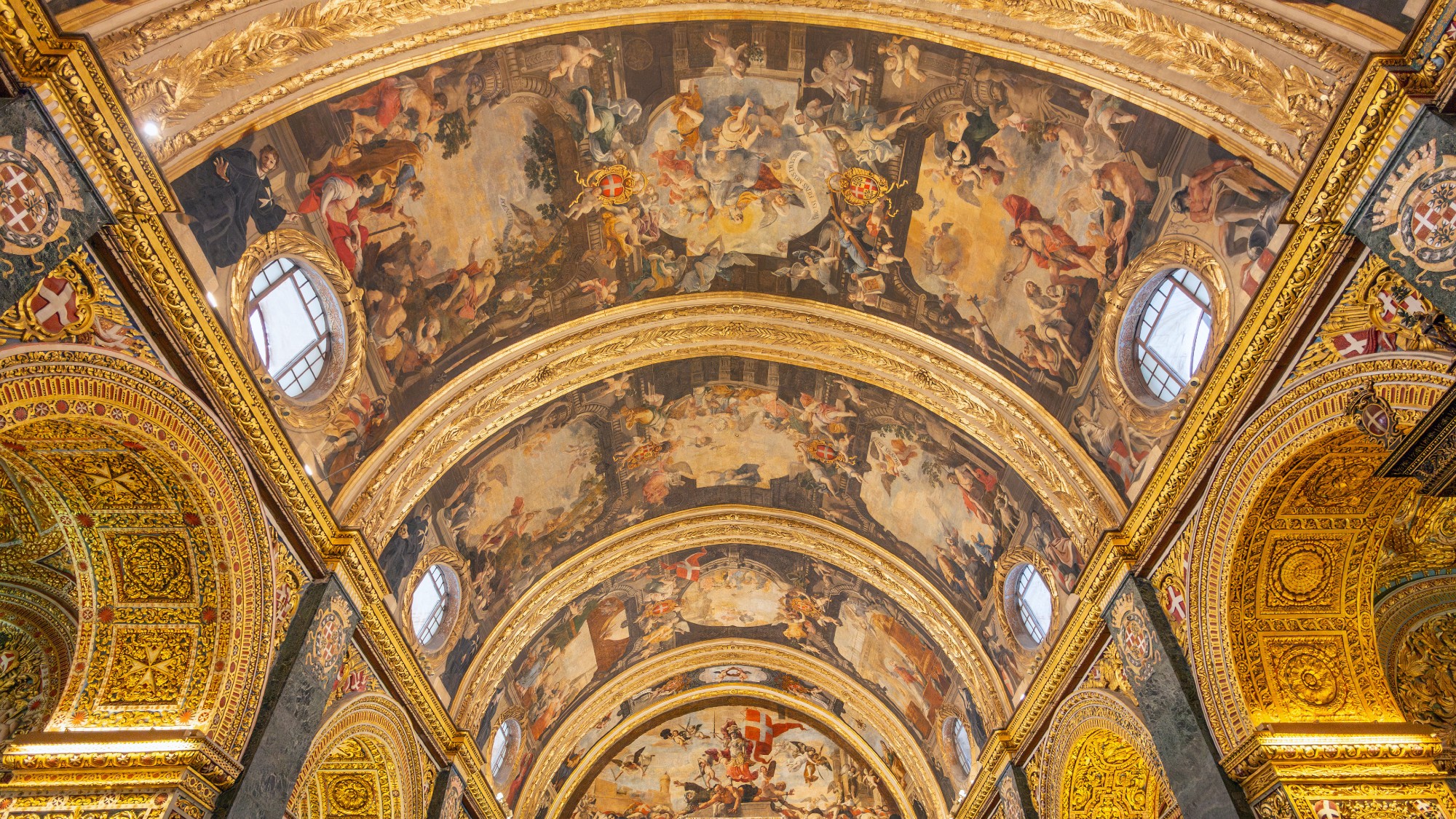
Valletta is a small city, but it “packs a historical punch,” said The Independent. The Knights of St. John built Valletta during the 16th century, and the city remains “laced” with townhouses from that era that now “house atmospheric restaurants and bars.” Another early landmark is St. John’s Co-Cathedral, which dates back to the 1570s. From the outside, it looks “unprepossessing,” but inside you’ll find a “riot” of “lavish” details, including marble floors, a gilded vaulted ceiling and Caravaggio’s masterpiece “The Beheading of Saint John the Baptist.”
The ancient walled city of Mdina is “hardly touched by modernity,” said National Geographic Traveler. It’s been called the Silent City since the mid-1500s, when political power moved to Valletta, and is filled with “narrow alleys full of mystery” and “winding lanes with whispers of a bygone era.” The baroque Mdina Gate makes a grand statement, and visitors don’t have to be religious to find a “sense of spirituality” in the “gilded altars” and “detailed frescoes” of St. Paul’s Cathedral. Though a bit “gruesome,” the Mdina Dungeons are worth a descent and feature “macabre” dioramas showing how Malta’s former rulers once doled out “punishments and tortures.”
Snorkel, dive and swim in turquoise waters
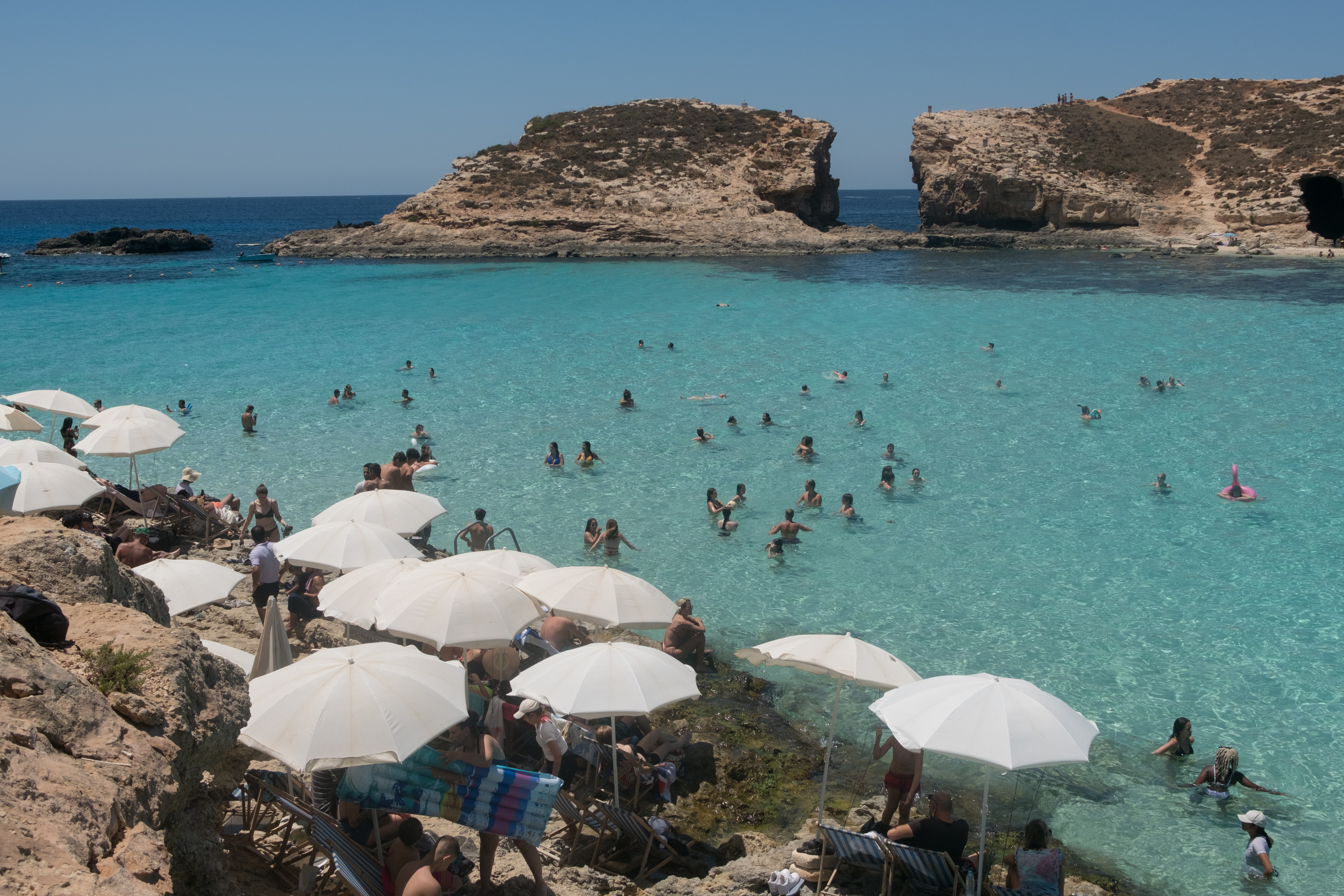
Divers and snorkelers love Malta for its coves, accessible wrecks and clear water with high visibility. A top spot to visit is the “picturesque” Ghar Lapsi, a bay known to have “some of the best reef life on the island,” said Lonely Planet. Boat and shore dives can be arranged for all skill levels.
For unmatched views, head to the Blue Lagoon on the small island of Comino. This protected area boasts “luminous” blue water “flanked by caves” and is “unmissable,” said the Times of London. It gets crowded, and to curb the number of sightseers and make the experience more enjoyable for everyone, you must now book a slot to visit the lagoon.
A signature Malta experience
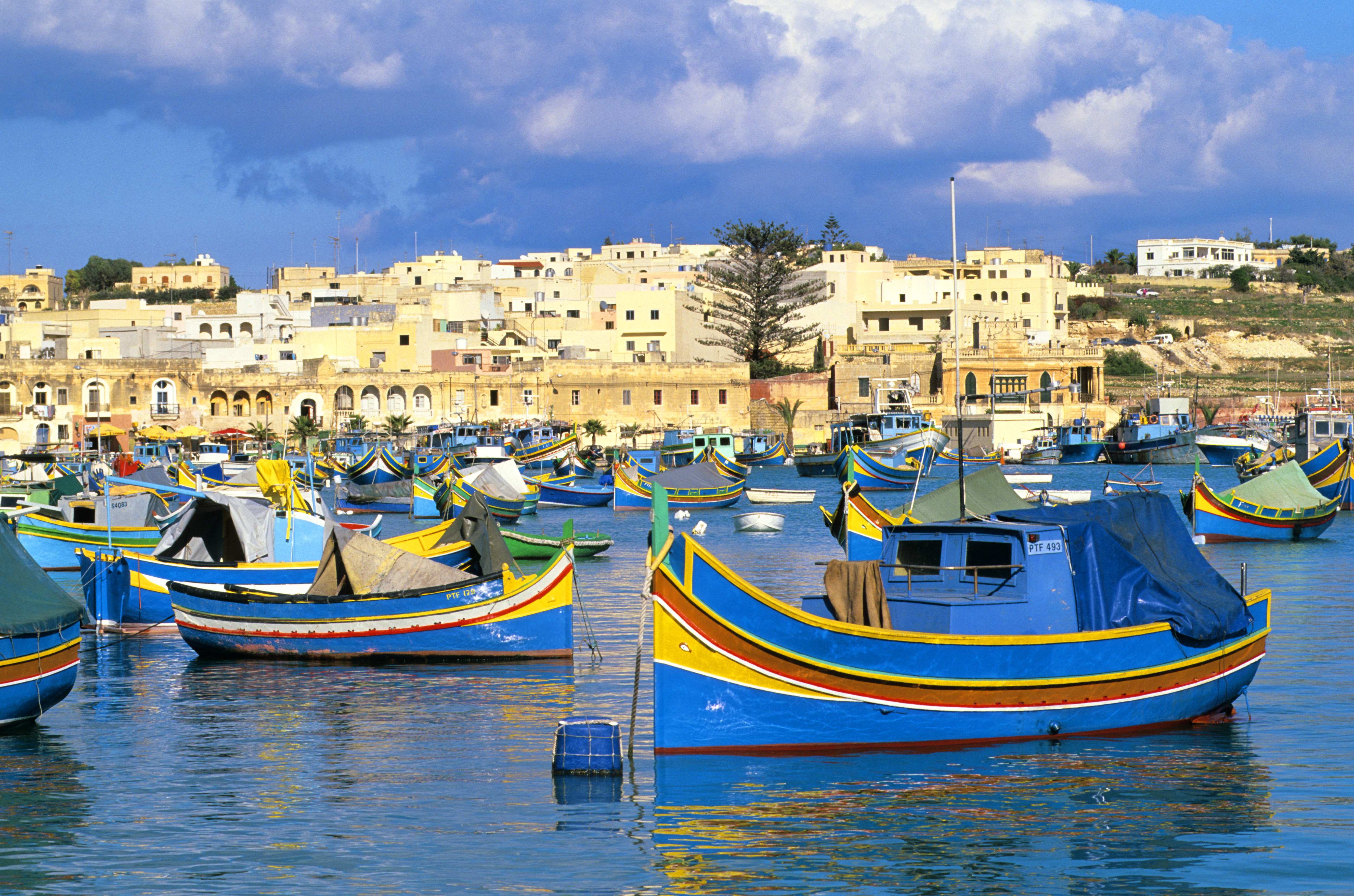
For a laidback experience, head to the sea and explore one of Malta’s traditional fishing villages. Marsaxlokk’s harbor is filled with colorful wooden boats, called luzzus, and it’s entertaining to watch the fisherpeople “studiously touch up” their “prized” vessels, said the Times of London. The action picks up on Sundays, when the town hosts a fish market where hawkers “loudly declare their wares.” During the week, artisans set up shop and sell their own handmade art, crafts and jewelry.
Ancient stone wonders
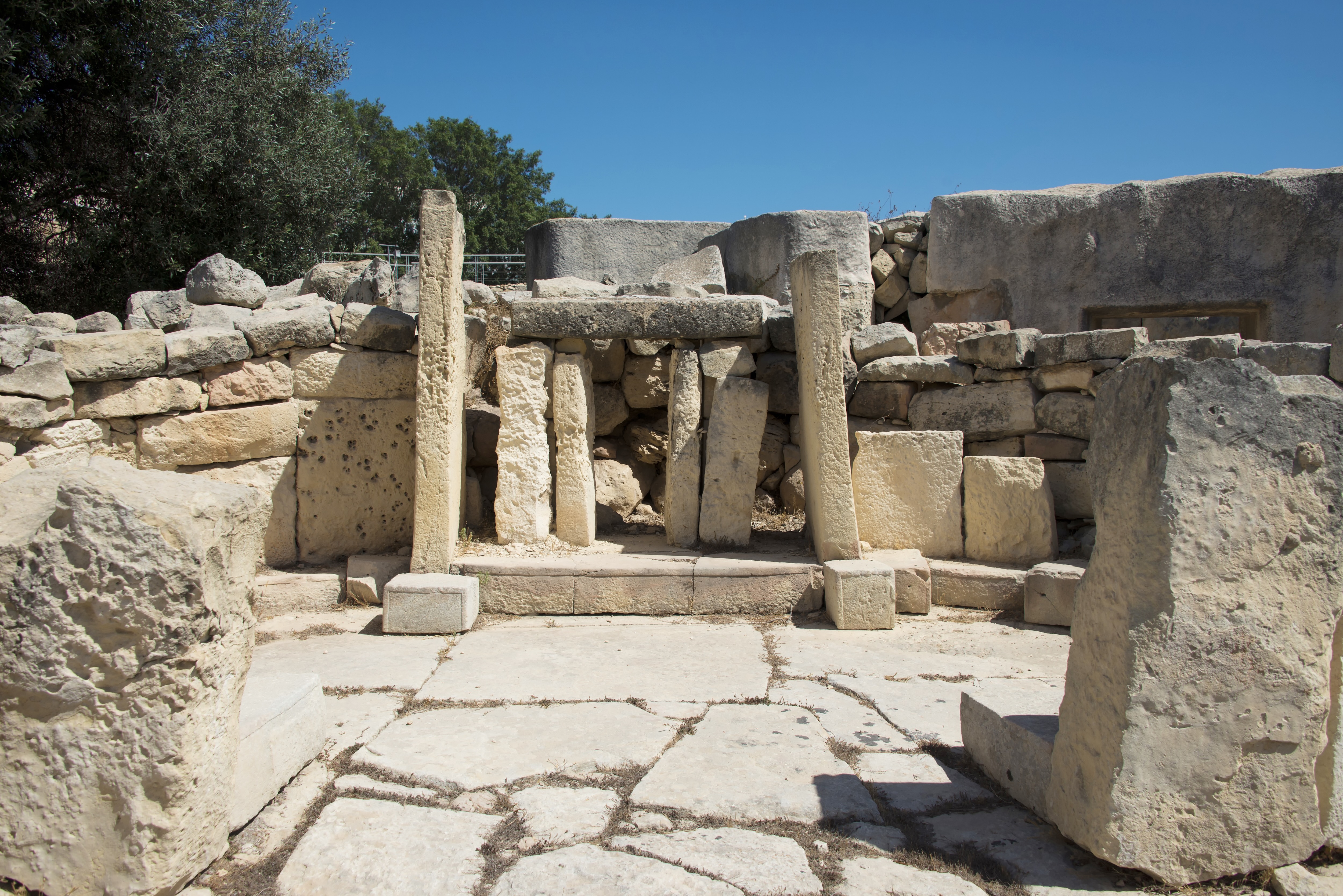
Some of the world’s oldest free-standing stone buildings can be found in Malta, and experts believe many of the structures were built before the pyramids of Egypt and Stonehenge. Among the most notable are the Megalithic Temples of Malta, constructed more than 5,000 years ago. They are “remarkable for their diversity of form and decoration,” and the Hagar Qim, Mnajdra and Tarxien temples are “unique architectural masterpieces” due to the “limited resources available to their builders,” said UNESCO.
Eating the Maltese way
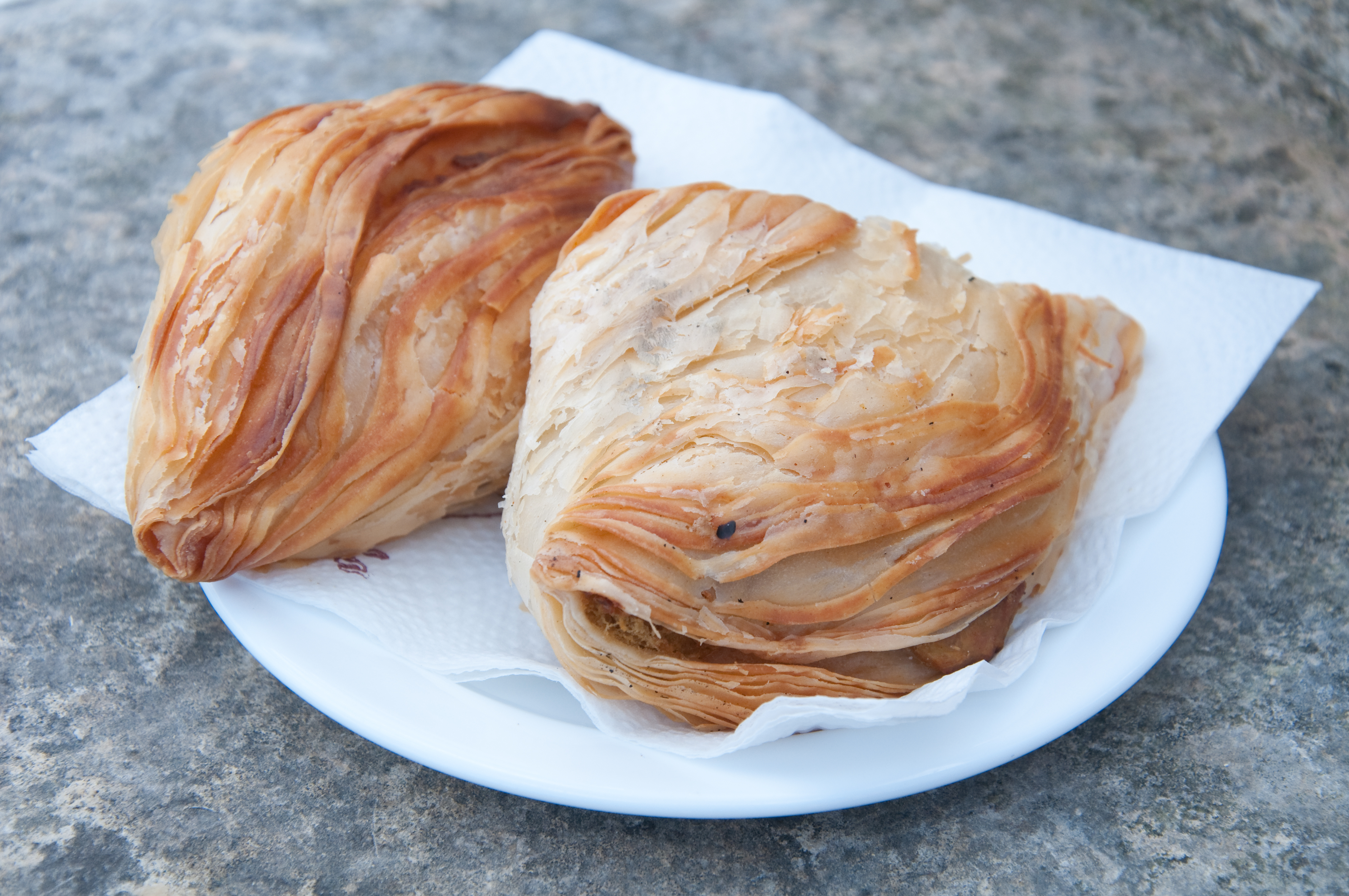
Malta’s location between North Africa and Italy plays a major role in its cuisine. Dishes feature Arabic spice blends, touches of “Sicilian comfort” and a bit of “French flair,” all made with ingredients and seafood straight from the Mediterranean, said Broadsheet.
One Maltese staple is the pastizzi, a golden flaky pastry often filled with ricotta or peas that’s best served “straight from the oven” and “eaten with your hands,” said Broadsheet. The country’s national dish is fenek moqli, or slow-cooked rabbit stew, a “rustic, hearty” meal, and its “answer to lasagna” is timpana, a baked meat pasta “encased in buttery pastry.” On a simpler note, the seafood in Malta is “second to none,” and diners can’t go wrong choosing fresh grilled swordfish, lampuki (dolphinfish) or octopus stew.