“This place literally changed the world,” says guide Zach Ozburn as we tour Sun Studio, standing on the spot where Elvis Presley was discovered, where Johnny Cash recorded “I Walk the Line”, where B. B. King recorded “3 O’Clock Blues”, and where a collection of other globally influential artists made some of their earliest recordings in the 1950s (among them Ike Turner, Roy Orbison, Jerry Lee Lewis and Carl Perkins). “Together, these artists transformed music – in less than 10 years.”
Elvis recorded his first hit single, “That’s All Right (Mama)”, here in 1954, Ozburn tells us. “It was so popular, notorious DJ Dewey Phillips played it on his radio station more than 10 times in one session,” he says. “Elvis was signed to a three-year contract, then sold to RCA Records for $35,000 (£26,000) 17 months later.”
Under the helm of record producer Sam Phillips, this now-legendary studio got itself a name as the “birthplace of rock ’n’ roll”, the first home of Elvis and a pioneer in blues, gospel, country music and beyond.
Today you can see the original microphone many of its artists recorded on, browse memorabilia from its 1950s heyday, and hear the tracks recorded in the building, and it’s genuinely fascinating. But it’s just one of the many sites I discovered during an eye-opening trip to Memphis, Tennessee, “home of the blues”, where history and heritage sit on literally every corner.
The Elvis effect
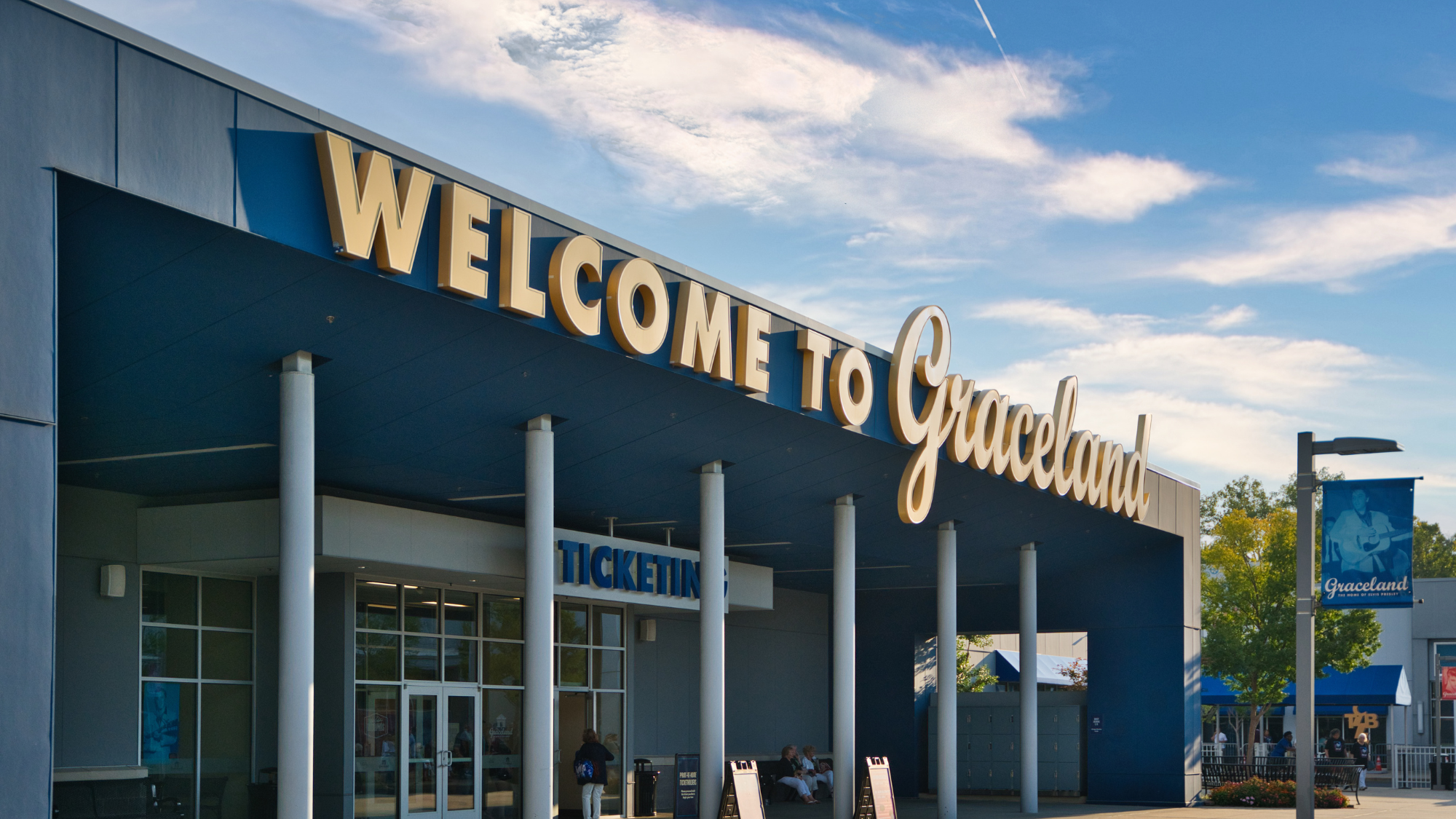
Elvis moved to Memphis with his family when he was 13, and traces of “the King” are still found across the city. On a visit to Graceland, I explore the mansion he lived in for 20 years after buying it in 1957. It houses a string of eclectic rooms – among them “the den”, decked out in a whimsical jungle theme, and a downstairs bar and lounge area where bright yellow and navy tones shimmer beneath a mirrored ceiling.
Elsewhere, elaborate chandeliers dangle above palatial furnishings, while an adjoining museum showcases many of Elvis’s once-worn costumes – from his renowned gold lamé jacket to the American eagle jumpsuit he wore at his Hawaii concert – alongside his suite of giant cars and motorbikes, not least the famous pink Cadillac.
Beyond Graceland, there are plenty more reminders of Elvis’ legacy. At the historic, diner-style Arcade Restaurant downtown, I tuck into stacked-high pancakes in the booth he reportedly used to sit at (“near the back, so he could come in the back entrance and escape if fans started to go wild,” in the words of my waitress).
On a music-themed circuit of the city with Backbeat Tours, I visit Overton Park Shell, the outdoor amphitheatre where the star had his first big public performance during a concert in 1954. (“His knees were shaking from nervousness and he thought the crowd was booing, when they were actually screaming”, our local musician-guide, Davy Ray Bennett, tells us, as he regales us with humorous tales.)
Later in the tour, we pass the home Elvis and his family lived in before he became famous – a small apartment in a modest block – and the high school Priscilla went to after moving here.
Beale Street blues
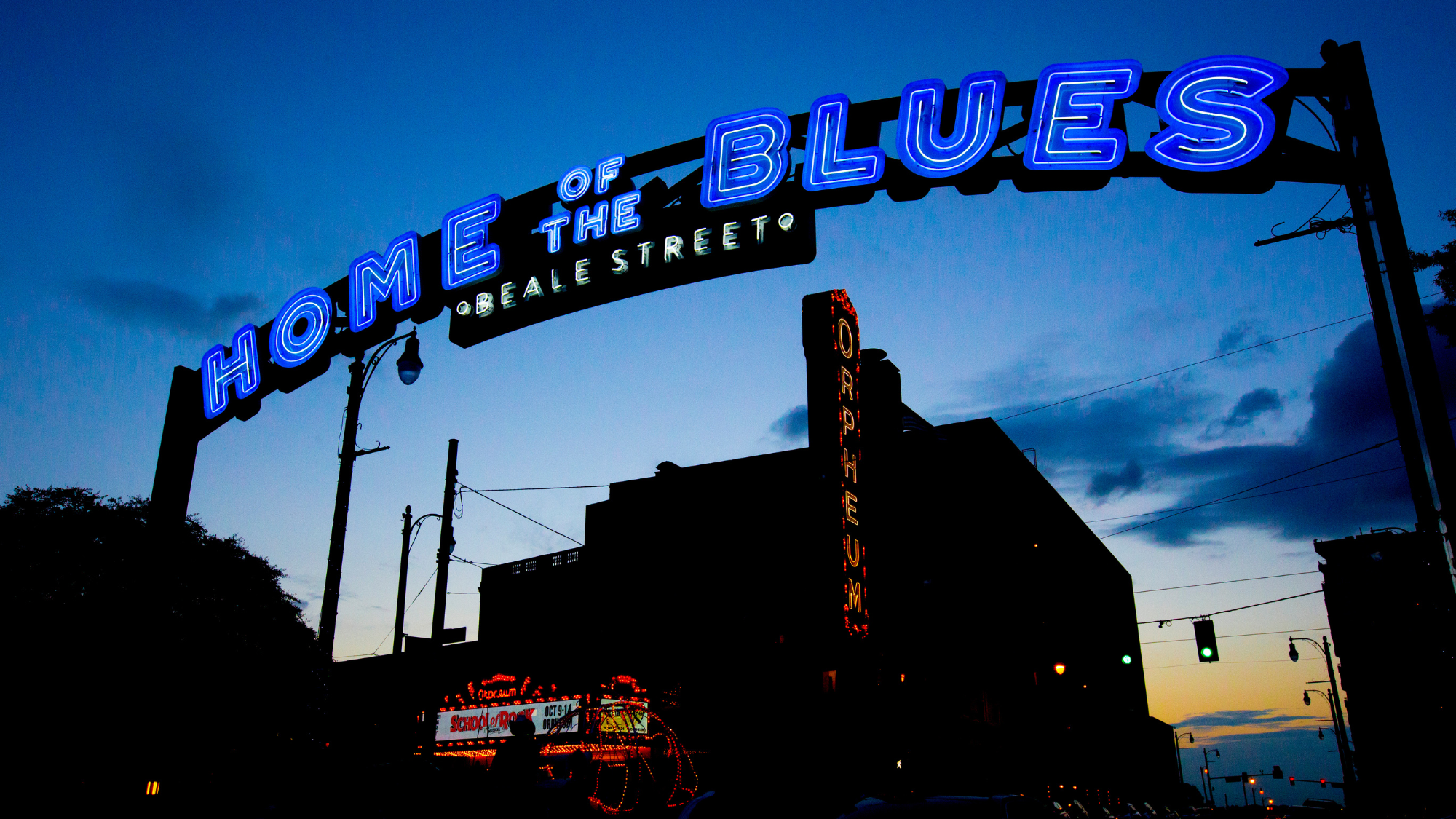
It was Beale Street, of course, that gave “the King” much of his inspiration. Running through the heart of downtown Memphis, this is where artists including Louis Armstrong, Muddy Waters and B. B. King performed in late-night bars during the 1920s, 1930s and 1940s, developing the Memphis blues sound that was first pioneered here by musician W. C. Handy.
The street fell into disrepair and was largely abandoned in the late 1960s and 1970s, but it was revived in the 1980s; today, it’s the historic hub of the city and a major tourist hotspot, with neon-lit bars and blues clubs once again lining the strip, live bands playing in almost every venue from the afternoon through to the early hours.
Back in the day, Beale Street wasn’t just a spot for music, though; on a guided history tour of the city’s African American culture with local company A Tour of Possibilities (ATOP), I learn more about the street’s significance in the first half of the 20th century.
“This was known as the country’s main street for African Americans,” says our guide, Devon. “It was a pro-Black street during the era of segregation, where African Americans could enter through the front door, not the back door, with Black-owned shops, clubs, restaurants and businesses forming a vibrant hub.” It was also the home of Ida B. Wells’ anti-segregationist newspaper, Free Speech, housed in a church built for the community.
A complex history
But beyond the more positive stories, Beale Street has a complex history. I learn this is where sanitation workers marched on 28 March 1968, led by Martin Luther King Jr, in the fight for better wages and working conditions. When a group of participants began looting, violence erupted as police attacked with tear gas and shot and killed a 16 year-old amid hundreds of arrests.
King returned to Memphis six days later on 3 April to lead a second, non-violent march, delivering the famous “I’ve Been to the Mountaintop” speech that was to be his last. The following day, he was shot from the balcony of the Lorraine Motel, where he was staying.
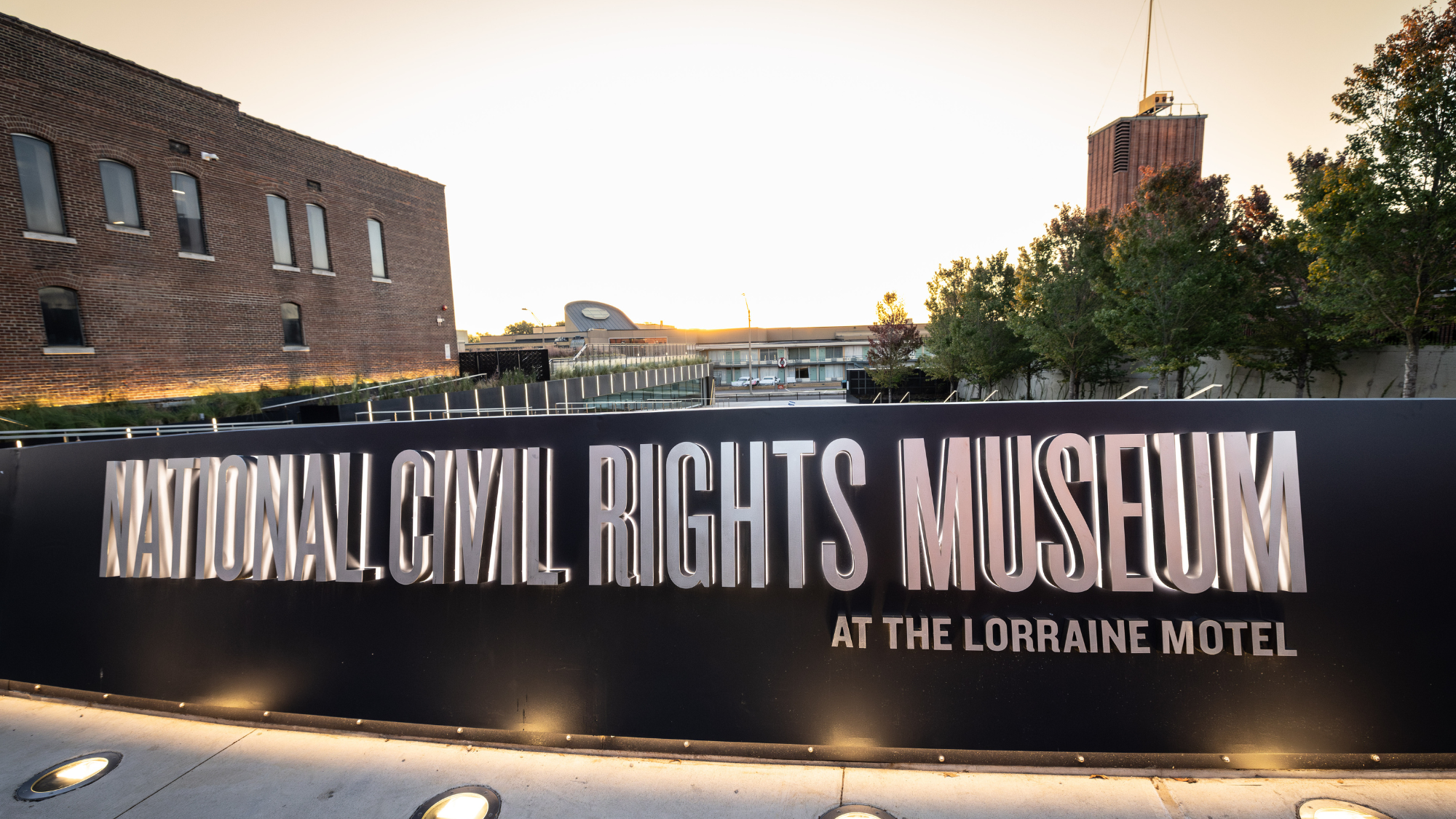
The National Civil Rights Museum now stands on the spot where King was assassinated, and traces the history of the civil rights movement – from slavery through to the civil war, abolition and the ensuing Jim Crow laws that enforced segregation in the Southern states.
Its displays provide in-depth context to the music and culture that developed in a cotton-rich city which was at the heart of the slave trade during the mid-1800s – when enslaved people were freely bought and sold on its streets, travelling along the Mississippi River – and it’s a moving, eye-opening portrayal of the country’s struggle for equality which is, in many ways, still ongoing.
But it’s also a reminder of the power of art and music in uniting. “Music kind of transcends everything,” said Ozburn on my tour of Sun Studio, and he wasn’t wrong. Memphis’ music scene broke down racial barriers at a time of extreme division in the wider American South, integrating Black and white artists and audiences in a way that many argue was epitomised by Elvis – who took Beale Street blues for his inspiration – and also by WDIA, the radio station started by white founders for an African American audience (and drawing a mix of both Black and white listeners).
The Stax story
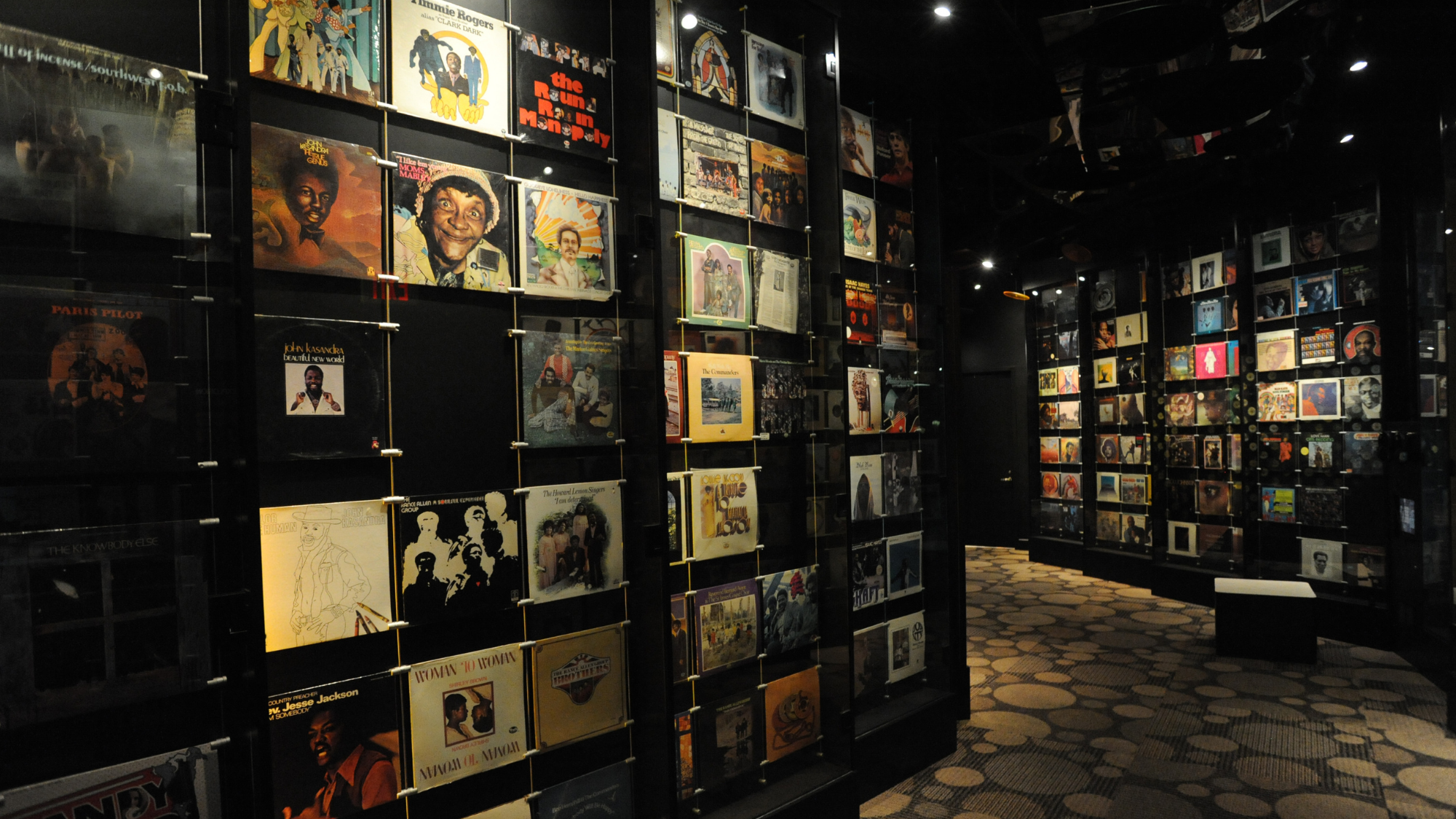
Perhaps nowhere was this unification better showcased, though, than at Stax Records, the storied studio that empowered Black and white artists to write and record together during the 1960s and 1970s.
Established in 1957 by founders Jim Stewart and Estelle Axton in a predominately African American neighbourhood, unity and inclusion were the ethos here; house band Booker T. & the M. G.’s brought together black and white musicians, while songwriting duo Isaac Hayes and David Porter also bridged the racial divide, composing around 200 songs here together (among them Sam & Dave’s iconic “Soul Man”).
While Stax is no longer an active recording studio, it’s now the site of the Stax Museum of American Soul Music – an ode to the label’s history, complete with an exact replica of the original studio and control room where the likes of Otis Redding, Rufus Thomas, Wilson Pickett, Eddie Floyd and Carla Thomas all once recorded. (Redding recorded “Sittin’ on the Dock of the Bay” here just a few days before his sudden death in a plane crash.)
Wandering around, I have Ozburn’s words in my head about how Sun Studio “changed the world”, but it wasn’t only at Sun. Across the city, stars broke down barriers and left their mark. The struggles continued, but musicians found a parallel, underground world that didn’t differentiate, and they gained a global audience in the process.
To visit now is to walk in the footsteps of those who shaped the face of modern music and challenged the status quo on a grassroots level. This is a fascinating, many-layered city that definitely deserves your time, not only to trace the legends of the musical greats, but also to learn how their art intertwined with the battle for civil rights in a complex story that still resonates today.
Where to eat
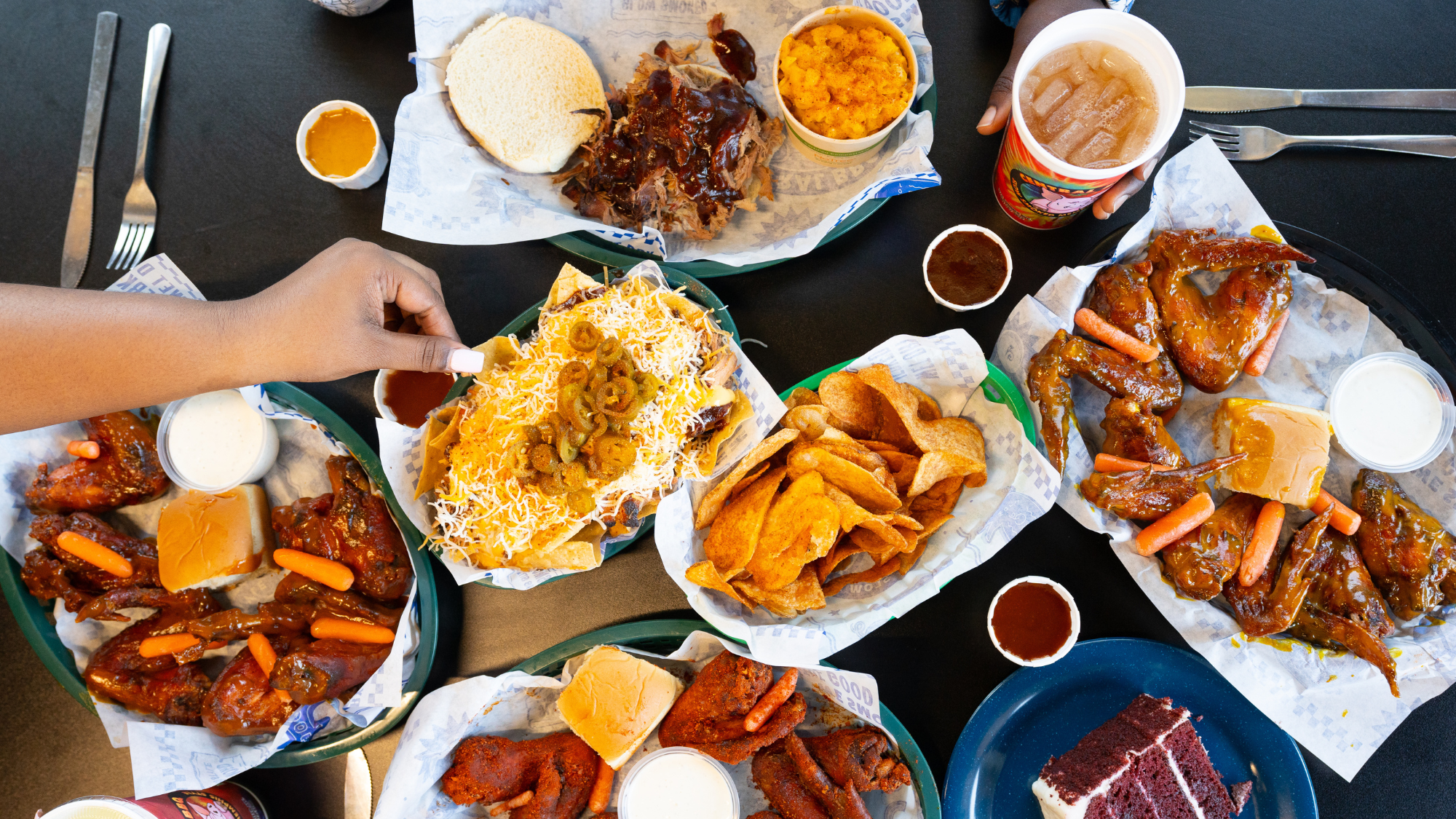
Beyond the music and civil rights history, Memphis is home to a thriving culinary scene; here are some of our favourite dining spots if you’re heading to the city.
The city is world-renowned for its barbecue – specifically pork, slow-smoked over hickory wood and dry-rubbed with spices or doused in a tangy-sweet, tomato-based sauce. For a casual, unpretentious spot where you queue at the counter to order, head to Central BBQ downtown and try the acclaimed pulled pork sandwich, served with classic sides that range from BBQ beans to mac ’n’ cheese.
Once a 1950s salon where Priscilla Presley used to get her hair done, The Beauty Shop is well worth a visit – expect a quirky, modern-meets-retro vibe where the likes of sugar & spice duck with roasted black grapes, pork & pickled peach with mustard fennel dust, and honeynut pumpkin with salsa macha are served at booths set beneath old-school, Belvedere hooded hair dryers.
Memphis has a generous handful of fine-dining restaurants and among the stand-outs for me was Amelia Gene’s, where I tucked into asparagus panzanella with morel mushroom, a rich, buttery bucatini with salt & pepper sauce, and scallops with grits and bacon. Elsewhere, Michelin-recommended Felicia Suzanne’s was also a standout, offering a high-end twist on Southern classics (from short ribs to fried green tomatoes and shrimp and grits) and scarlet chairs and chequered floors for décor.
Where to stay
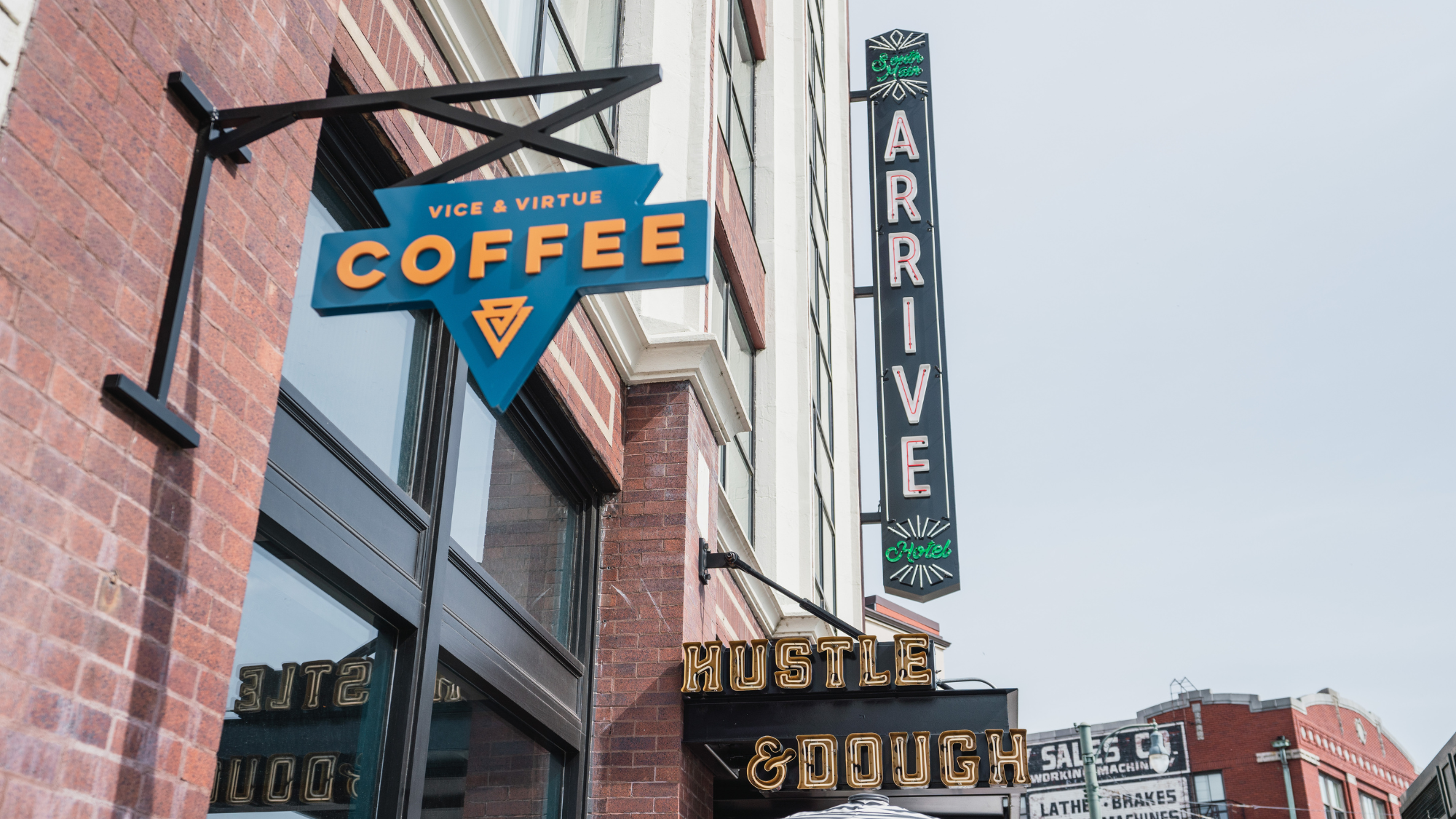
Set in the heart of downtown and a 10-minute walk from Beale Street, Arrive Memphis is a vibrant hub with an eclectic design – think exposed brick walls, jazzy black-and-white patterned bathrooms and chic light fixtures. There’s a bakery and bar in the lobby, while live music bar Earnestine & Hazel’s, the spot where Aretha Franklin, B. B. King, Tina Turner and Ray Charles all used to hang out, in classic Memphis style, is a two-minute walk away.
Laura French was a guest of memphistravel.com