The benefits of bird-watching are plenty — it’s relaxing, can offer a mental-health boost, gets you outside in the fresh air, teaches you about new types of species and helps you focus. Start in your backyard or local park, then consider these eight global hot spots, where opportunities to zero in on avian splendor are plentiful.
Cape Town, South Africa
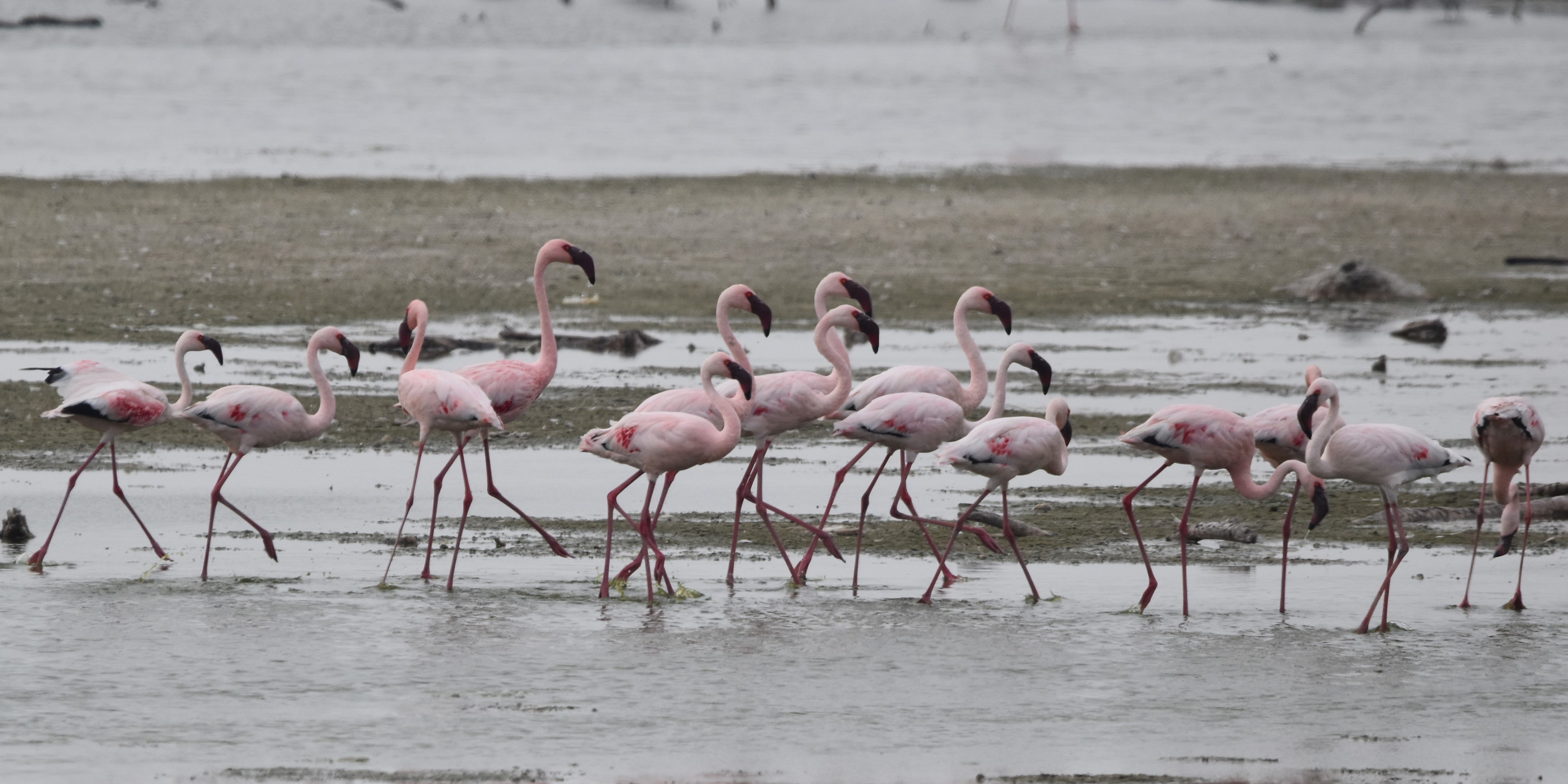
The Cape sugarbird, Cape rockjumper, orange-breasted sunbird and bank cormorant are some of the endemic birds that draw nature lovers to Cape Town. The best place to do serious birding is Strandfontein Sewage Works, where visitors “may count more than 50 species on any given morning,” said Afar. Flamingos, African marsh harriers and Cape longclaws all gather in and around the ponds, and in the summer grey and purple herons arrive in droves.
Colombia
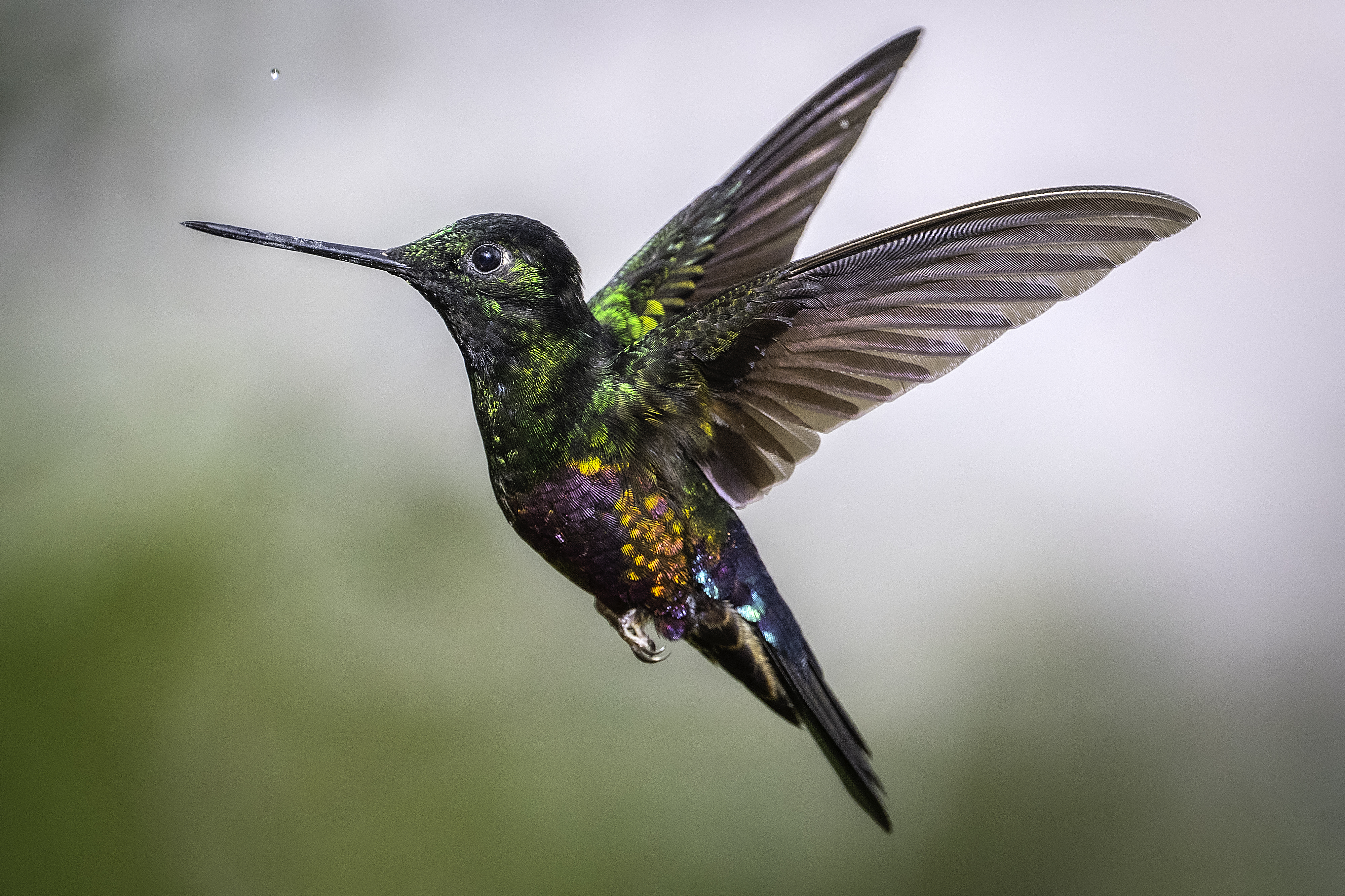
Nearly 2,000 avian species call Colombia’s mountains, forests and beaches home, making the country a “veritable paradise” for birders, said Forbes. Don’t overlook the cities, either; Cartagena is an “underrated gem for avitourism” and a great “jumping-off point” for birding adventures.
Ekoparque Luna Forest is “prime territory” for the chestnut-winged chachalaca, a species endemic to the Colombian Caribbean, and the tropical dry forest at Santuario de Flora y Fauna Los Colorados is home base for the scarlet macaw, Amazon kingfisher and rose-breasted grosbeak.
Costa Rica
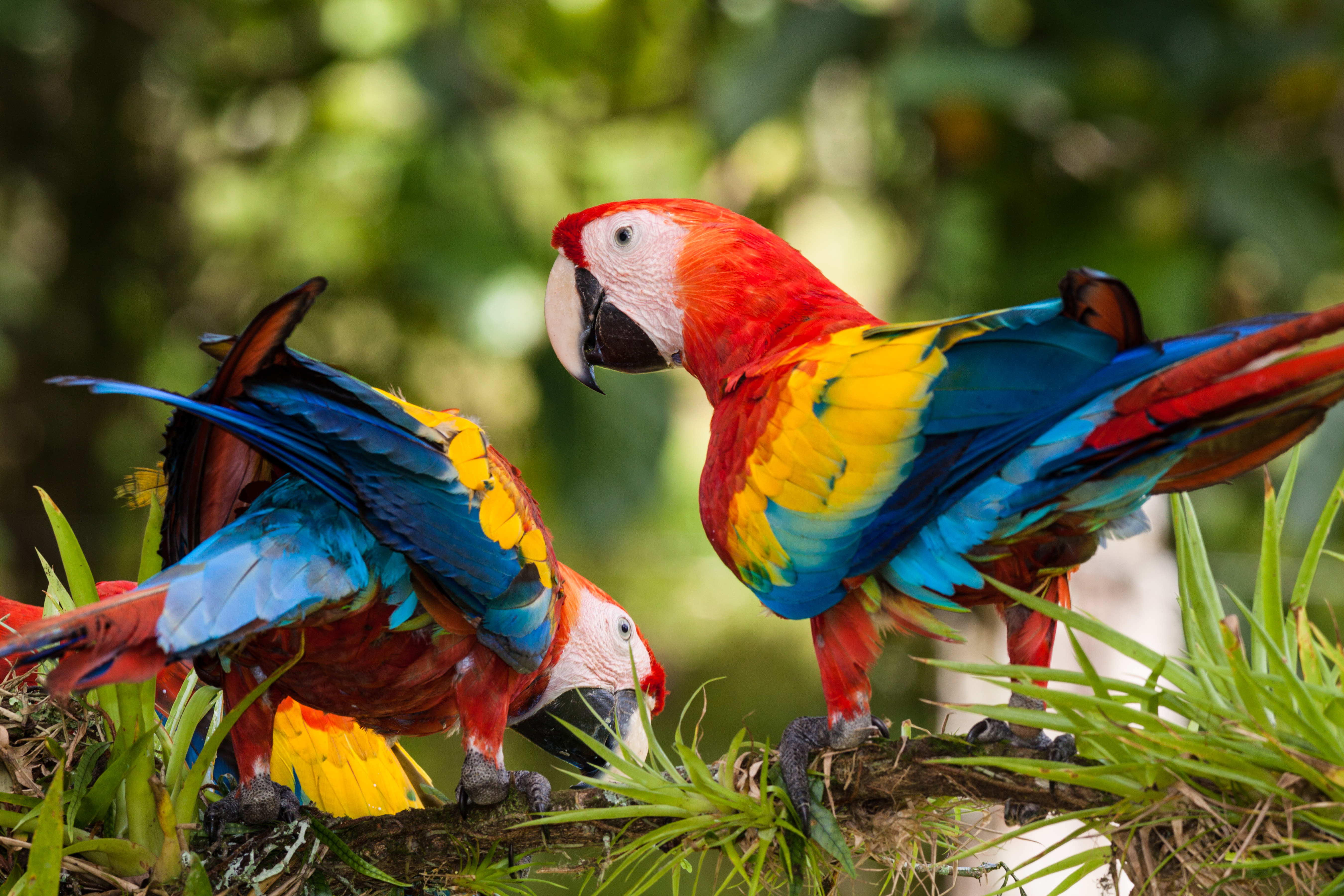
Costa Rica’s rainforests offer varied bird-watching experiences. Quetzals dwell in the “ethereal cloud forests,” said Travel and Leisure, while red-capped manakins live in the lowland tropical rainforest.
A “great” destination for bird-watching is Carara National Park on the central Pacific coast, where tropical dry forests and humid rainforests meet. Birds from both environments, like scarlet macaws, toucans and herons, live here. On the Caribbean coast, discover “abundant wildlife” in Cahuita National Park. Visitors can walk a five-mile forest hiking trail and experience the chance to see kingfishers, hawks and green ibis.
Daintree Rainforest, Australia
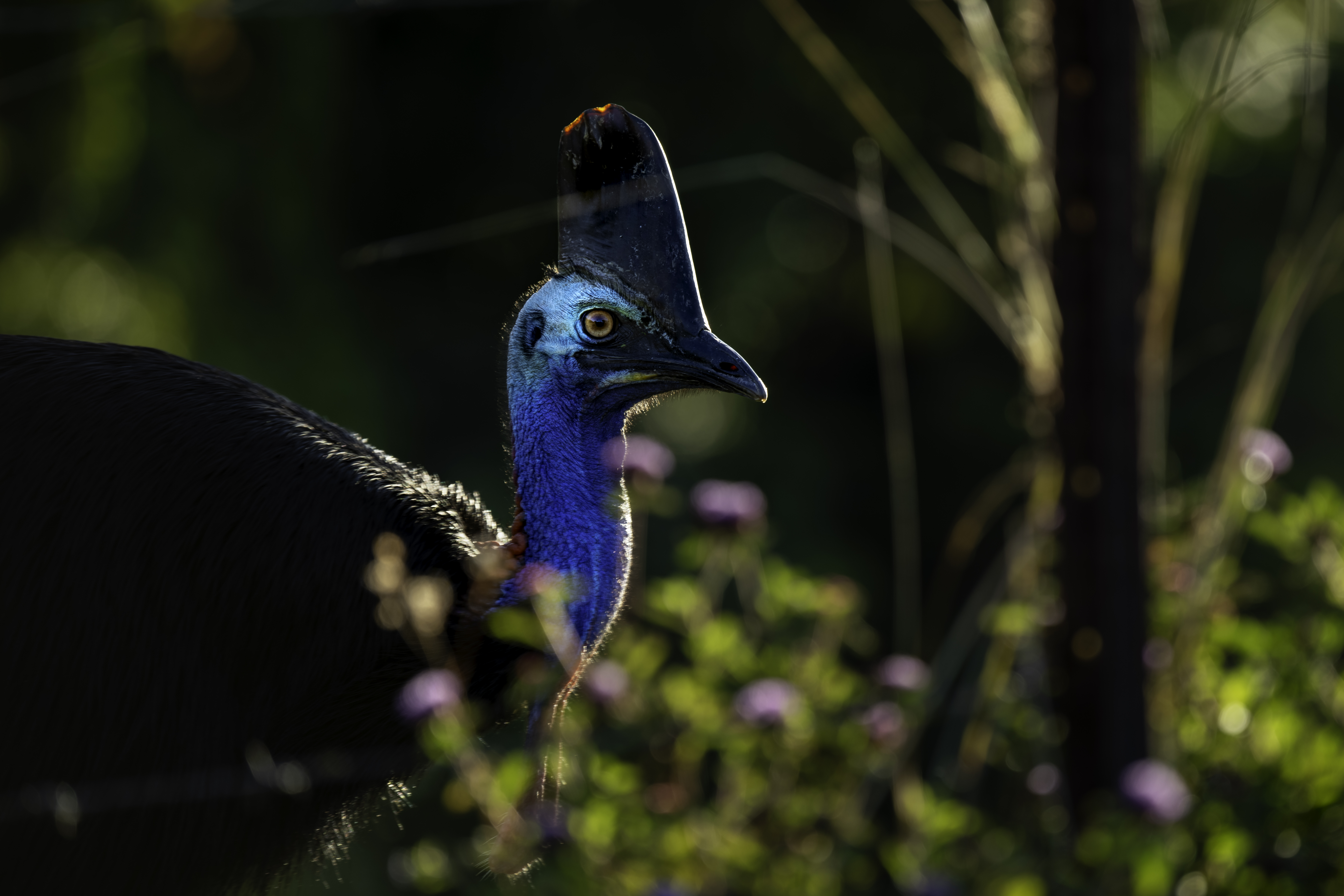
More than half of Australia’s bird species live in Daintree Rainforest, and bird-watchers from “all over the world” come here for a “day, or even a week, of bird-spotting,” said Time Out. This is the oldest continually surviving rainforest on Earth — it’s estimated to be more than 180 million years old — and “wing-watchers” flock here to search for the “elusive” flightless Southern cassowary. There are more than a dozen endemics to keep an eye out for, including the pied monarch, Macleay’s honeyeater and Victoria’s riflebird.
Everglades National Park, Florida
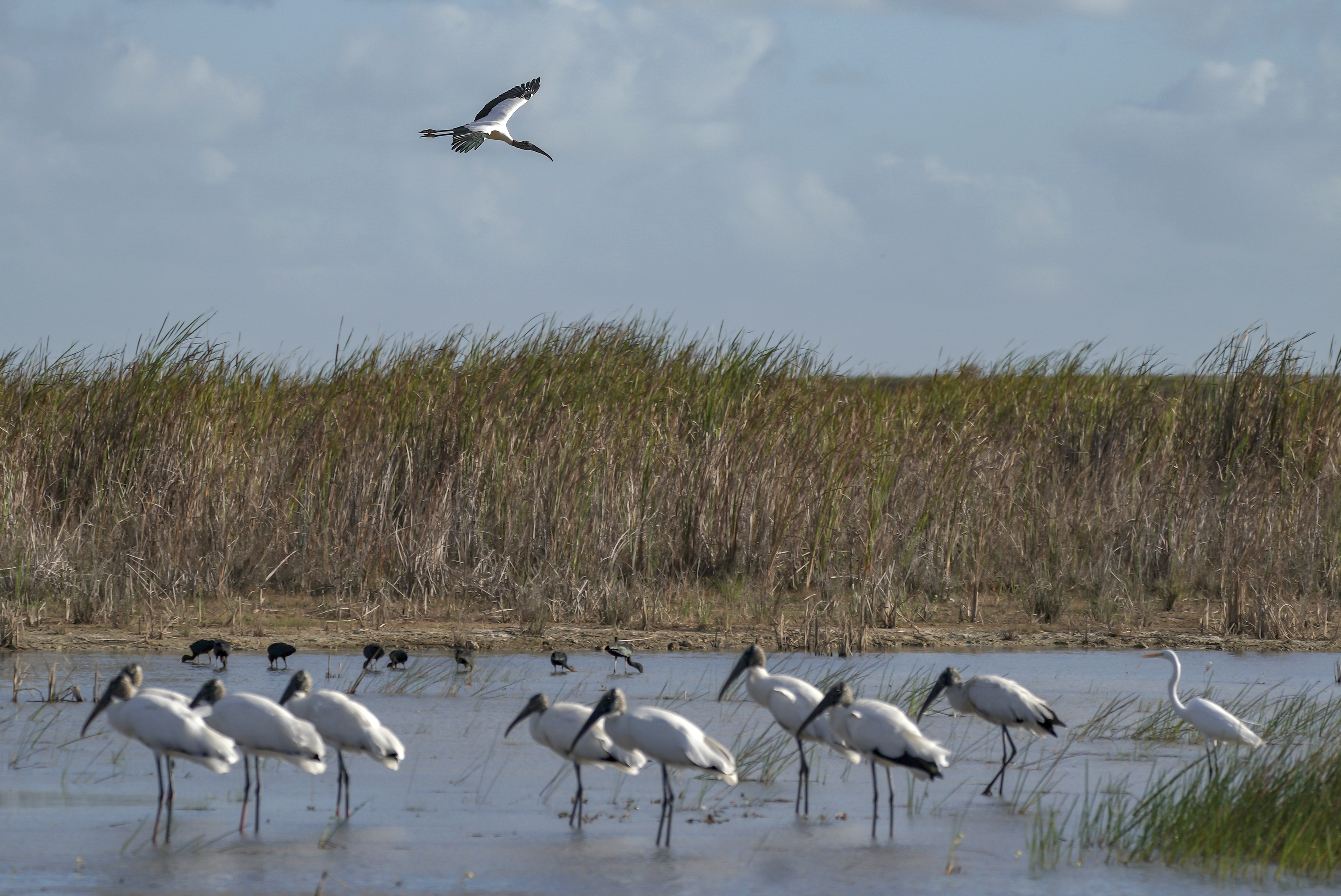
Wading birds are “essential” residents of the Everglades, playing a vital role in Florida’s wetlands ecosystem, said Lonely Planet. Birders glide down the coastline in kayaks and canoes to watch “egrets, ibis and roseate spoonbills pick through the shallows for food,” and there are trails throughout the park offering views of birds like cormorants, warblers and nesting anhingas. One of the best times to visit is in mid-February, when swallow-tiled kites return from their winters in Central and South America.
Hokkaido, Japan
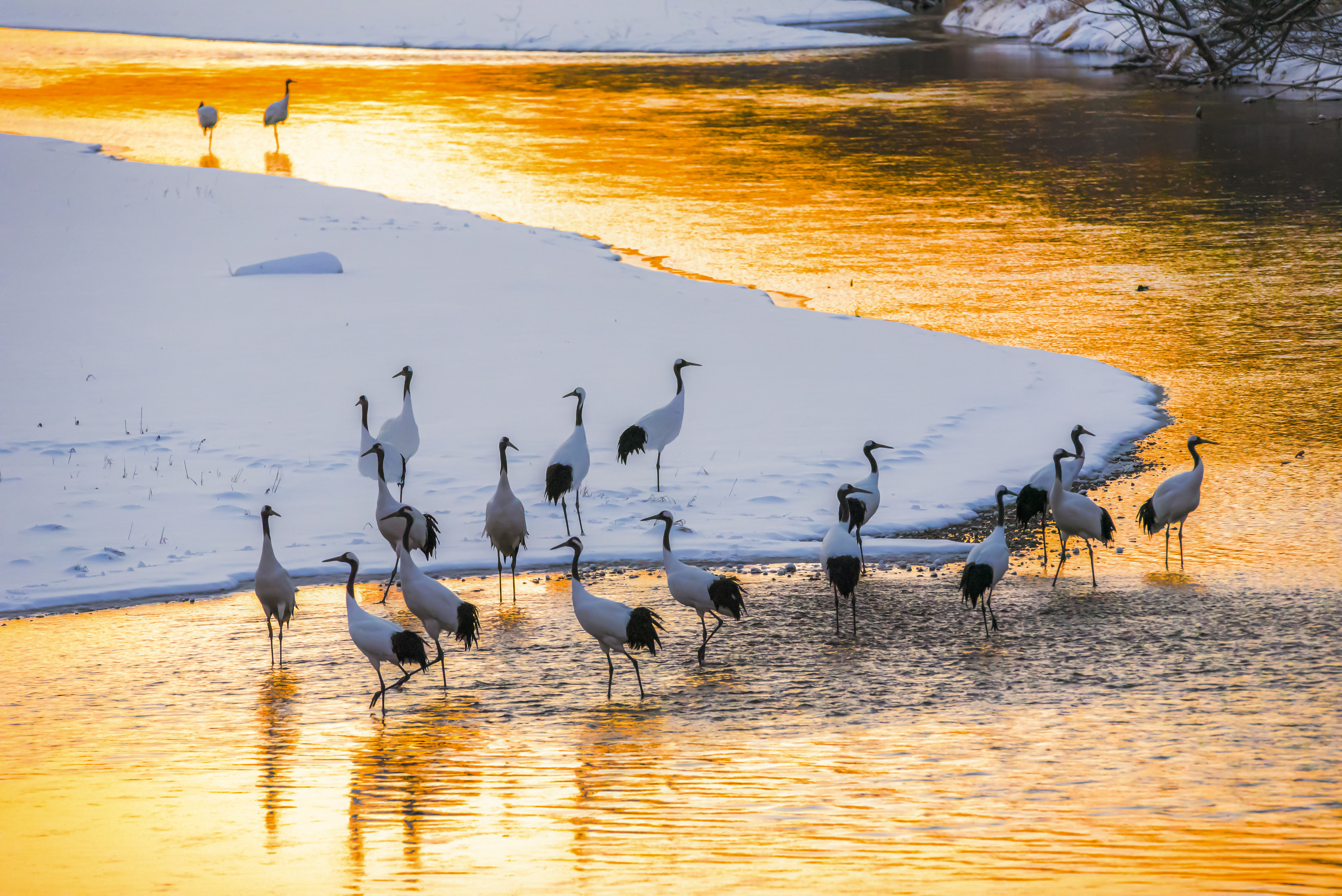
During winter, the bird-watching in Hokkaido is “spectacular,” said National Geographic Traveler. The “remarkable” red-crowned cranes can be found performing “elaborate mating dances against snowy landscapes,” while the Steller’s sea eagles dive into the chilly water for fish. The Blakiston’s fish owl is the rarest owl in Japan but often visits the Yoroushi onsen in the evening.
Manu National Park, Peru
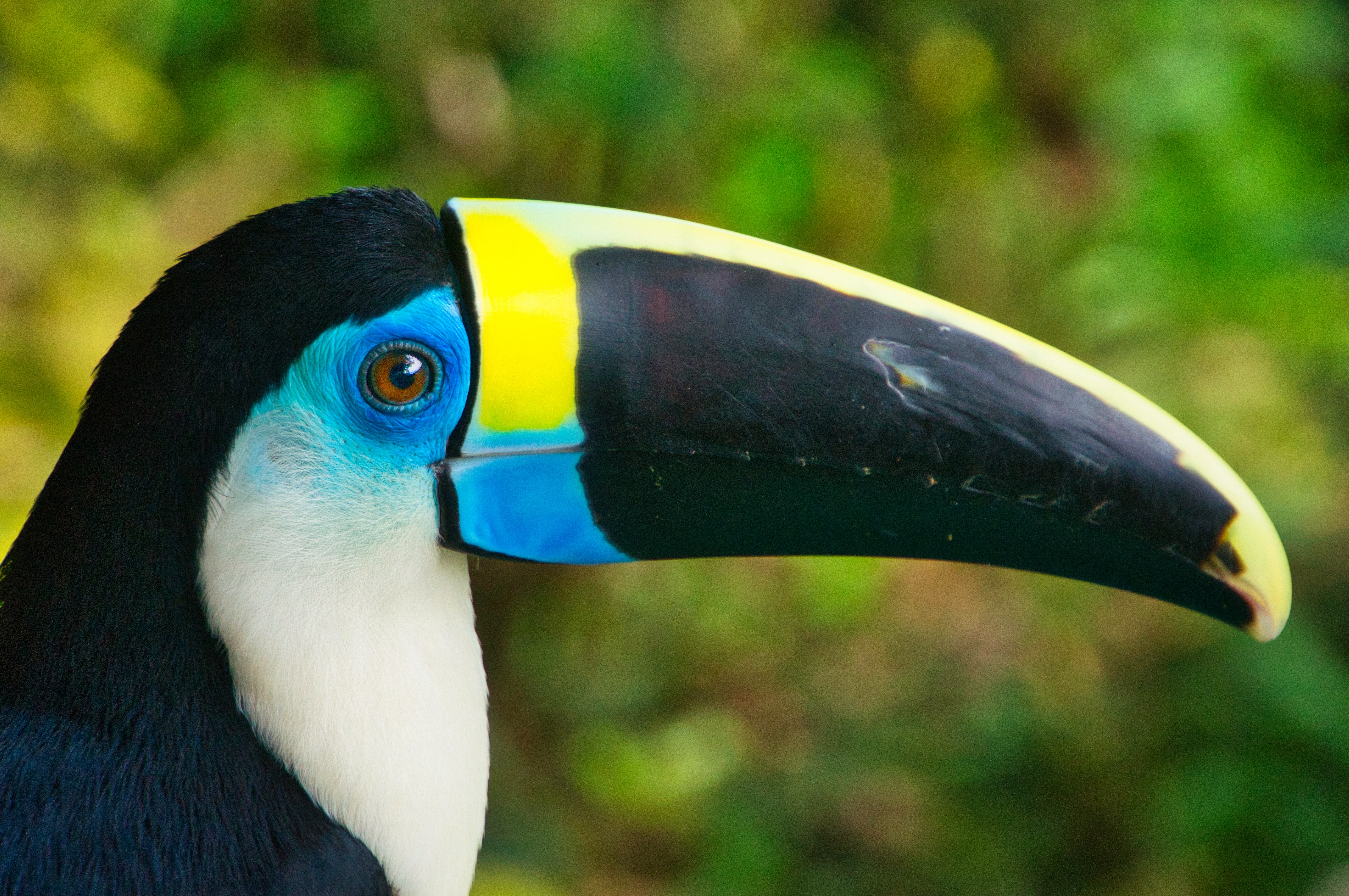
What birds you see at Manu National Park depends on your elevation. When in the cloud forest, be on the lookout for the vibrant Andean cock-of-the-rock, quetzals, tanagers, horneros and parakeets.
Down in the lower parts of the park, you might spy the Amazon umbrellabird, or nesting nightjars and yellow-billed terns on the beaches along the Manu River. Go off the beaten path to “remote areas like the Huacarpay wetlands, home to nearly 60 resident species” like yellow-winged blackbirds and violetear hummingbirds, said Condé Nast Traveler.
Scottish Highlands
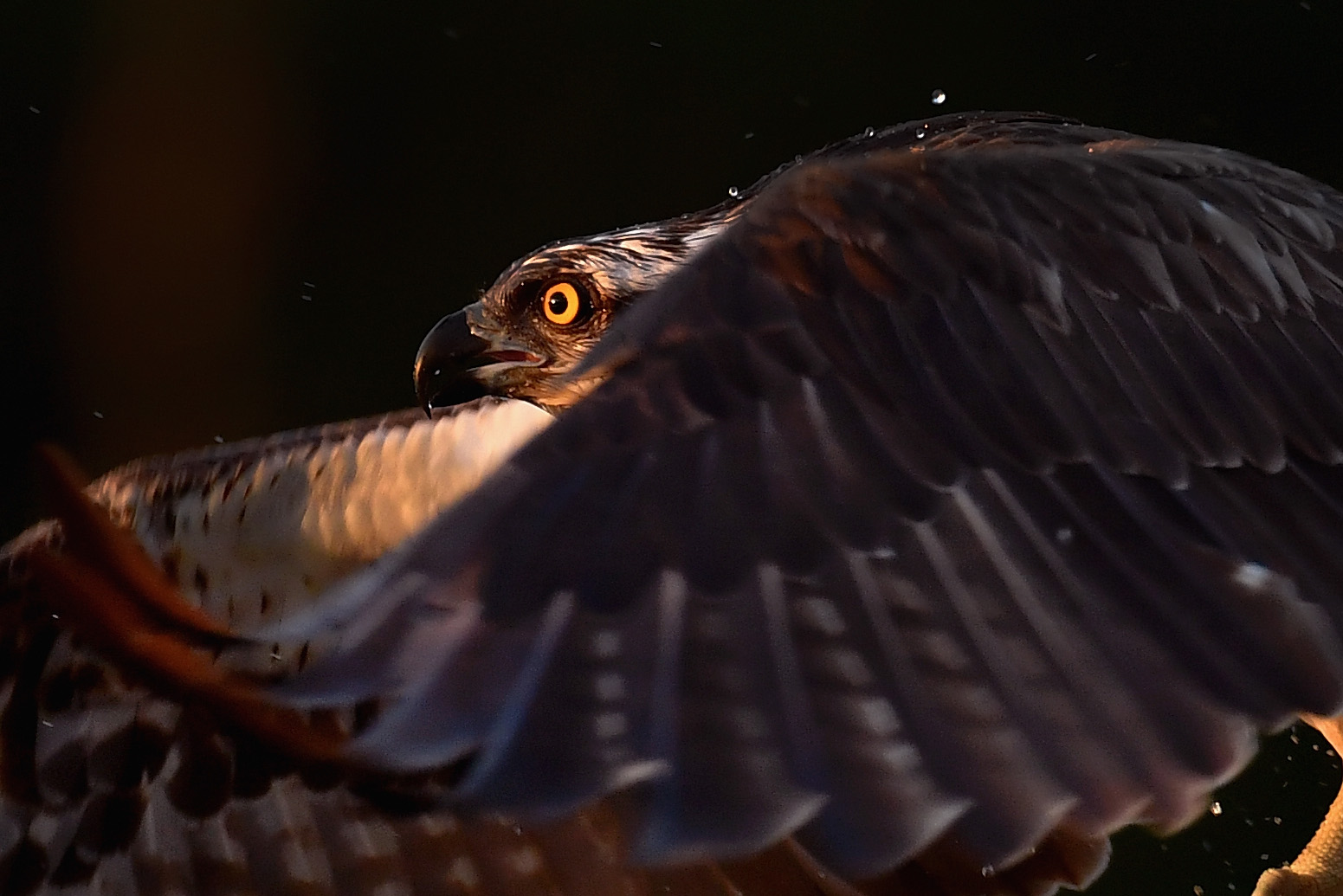
The “majestic” golden eagle, “elusive” capercaillie and “tiny” crested tit are some of the reasons why bird-watchers love the Scottish Highlands, said National Geographic Traveler. Spot ptarmigan, dotterel and snow bunting, “three high mountain specialists,” in Cairngorms National Park and Spey Valley, but prepare to put in some work — you will have to “trudge up mountains” and “search through pine forests to find them.” It’s worth it to spend time in the “spectacular” landscape, amid the “dense foliage,” and listen to the birdsong.