The Golden State Warriors had one of the most punishing schedules in the league last season. Heavy travel. Back-to-backs. A front-loaded slate that Steve Kerr did not stay quiet about. The Warriors coach was one of the most vocal critics of the 82-game format throughout the year, arguing that the current workload is taking a real toll on players in a game that has become faster and more physically demanding than ever.
Kerr is not going to get the response he was hoping for from the league office.
NBA commissioner Adam Silver addressed the load management and schedule debate this week, and his take lands in direct opposition to what Kerr has been pushing for.
What Silver Said
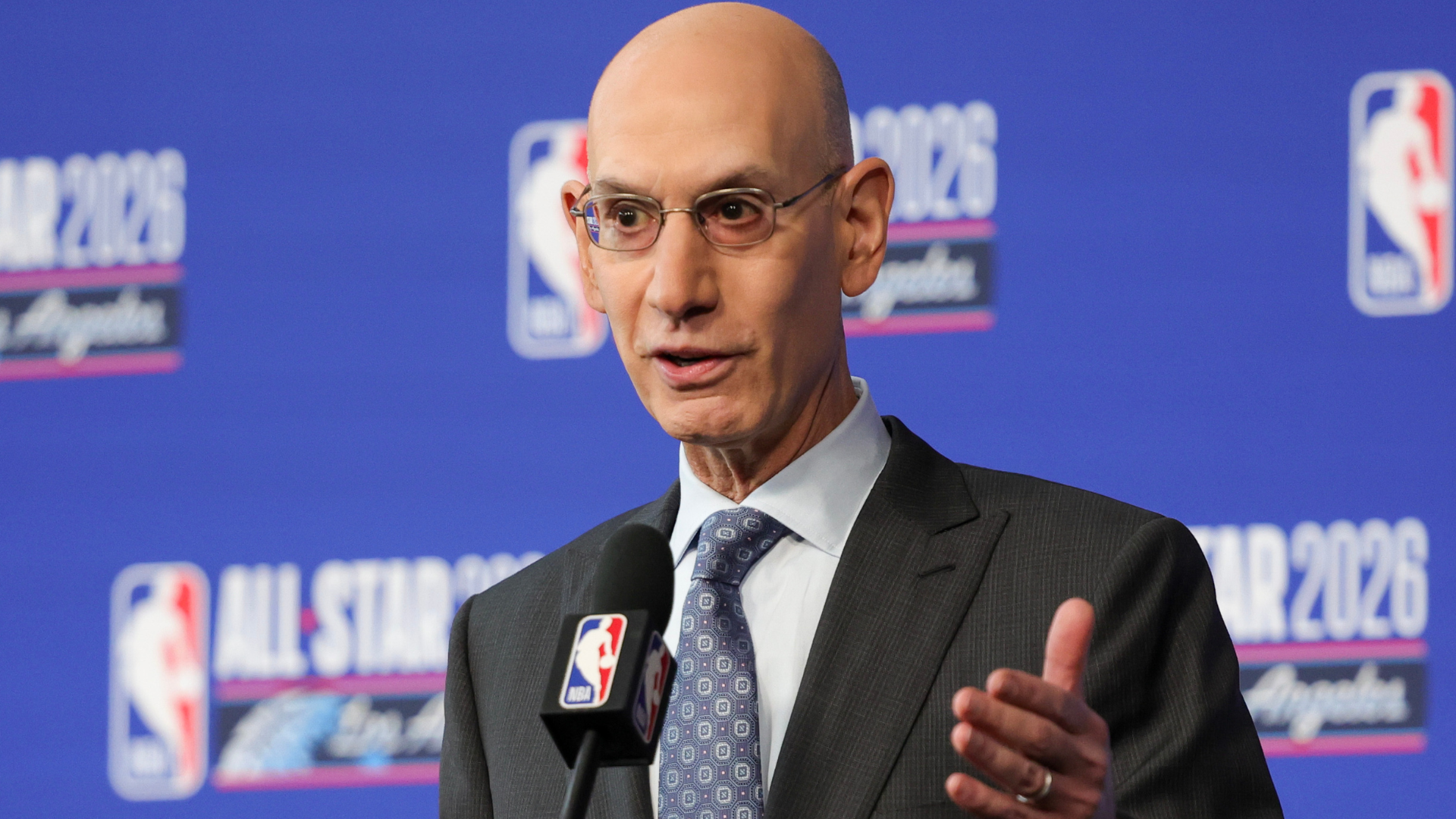
GettyNBA Commissioner Adam Silver.
Speaking to The Athletic’s Sam Amick, Silver pushed back on the idea that the length of the season is the primary driver of player injuries. He first pointed to the league’s player participation numbers as evidence that the current policy is having the desired effect.
“Our star participation was up, actually, significantly this year,” Silver said. “Taking injuries out, with so-called load management or one-day absences, we’re down 30 percent this year.”
Silver also argued that players understand the responsibility they have to fans.
“They don’t want to disappoint the fans,” Silver said.
The more interesting part came when Silver addressed injury trends directly. Rather than pointing to the end of the season, when players have accumulated months of mileage, Silver said the league’s data shows the biggest concern coming after the All-Star break.
“On so-called load management, I think that the only place where we see an uptick in injuries is not towards the end of the season when guys have played more games,” Silver said. “The only place we see upticks is after the All-Star break.”
Silver acknowledged that the league is still studying whether the relationship is correlation or causation, but he suggested extended rest may not always help players the way teams assume.
“It may be because they are not getting appropriate load during those days they take off,” Silver said.
That is where his view lands in direct opposition to Kerr’s. The commissioner does not see an 82-game schedule as the central problem. He sees load management itself as a potential contributor to the injury patterns the league is tracking.
Why Kerr Won’t Agree

GettySteve Kerr, Golden State Warriors.
Kerr’s argument has always centered on the pace of the modern game. The Warriors were central figures in engineering the pace-and-space revolution of the mid-2010s, and Kerr has acknowledged the irony of now being one of its loudest critics from a player health perspective.
“The pace difference is dramatic,” Kerr said in November. “Across the league, everybody understands now that it’s just easier to score if you can beat the opponent down the floor and get out and transition.”
That is the part Kerr believes has changed the physical demands on players. The modern game is faster, more spread out, and requires more defensive coverage than ever.
“But when everybody’s doing that, the games are much faster-paced,” Kerr said. “And then everyone has to cover out to 25 feet because everybody can shoot 3s.”
Silver’s comments suggest the league front office is not moving toward a shorter season anytime soon. The commissioner’s framing places the responsibility back on how players use their rest days rather than questioning the number of games they are asked to play.
For Kerr, that will not be a satisfying answer. He has watched his roster get ground down by travel and fatigue in recent seasons, and the Warriors’ 37-45 record last year is partly a reflection of what a brutal schedule can do to an aging team.
The debate is not going away, even if the league’s position on it clearly is not changing.
Final Word for the Warriors
Silver and Kerr are not going to find common ground on this one anytime soon. The commissioner has the data he needs to defend the current format. Kerr has the lived experience of coaching through it.
Golden State is heading into an offseason focused on adding veterans around Stephen Curry for one more run. Whatever the schedule looks like next season, the Warriors will have to navigate it.
Like HEAVY’s content? Be sure to follow us.
This article was originally published on HEAVY
The post Warriors Get Bad News From Adam Silver on NBA Schedule appeared first on HEAVY.