The New York Mets just got swept at home by one of the worst teams in modern baseball history. That is not just embarrassing. It is a warning sign that the organization can no longer ignore.
According to Tim Britton of The Athletic, this weekend against the Colorado Rockies may need to be treated as rock bottom. The danger for the Mets is that it might not be.
Because this was not a random collapse. It exposed exactly how fragile this roster was built to be.
This Series Changed the Conversation
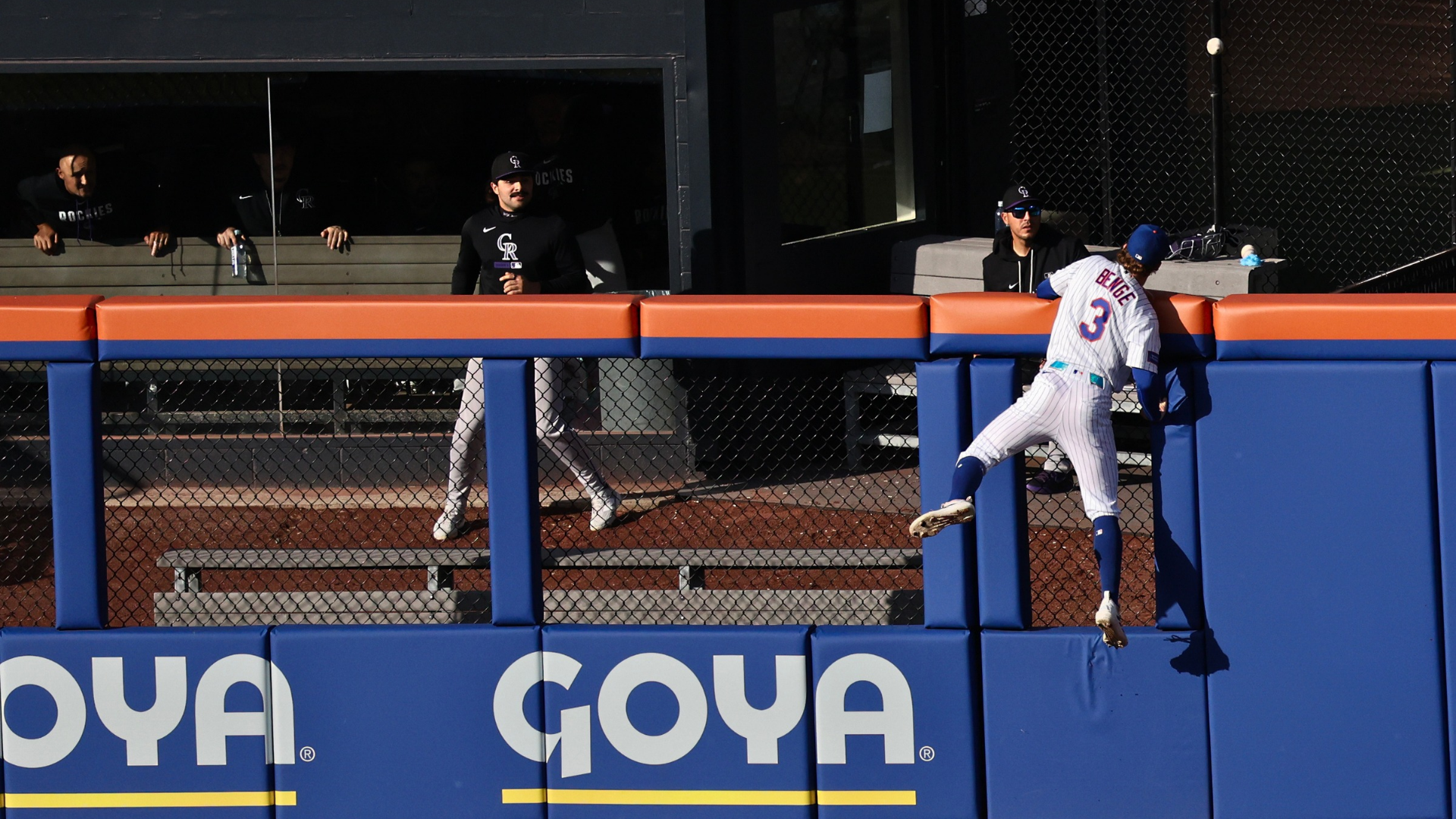
GettyOutfielder Carson Benge #3 of the New York Mets watches the home run ball of Hunter Goodman #15 of the Colorado Rockies go over the wall during the third inning of game two of a doubleheader at Citi Field on April 26, 2026 in the Queens borough of New York City. (Photo by Heather Khalifa/Getty Images)
The Mets did not just lose a series. They failed in ways that almost never happen to teams with expectations this high.
In a doubleheader, they managed just one total run. They now sit at 9-19, tied for the worst record in baseball. That collapse included a sweep by a Rockies team that lost 119 games last season.
That alone would be enough to trigger concern.
The context makes it worse.
This is one of the few times in franchise history the Mets have been swept at home by a team coming off a 100-loss season. The offense has already been shut out five times. They have posted one run in five separate games. They are trending toward nearly 60 games this season with one run or fewer.
That is not bad luck. That is a structural failure.
This lineup was supposed to carry the team. Instead, it is defining the collapse.

The Roster Was Built for Risk
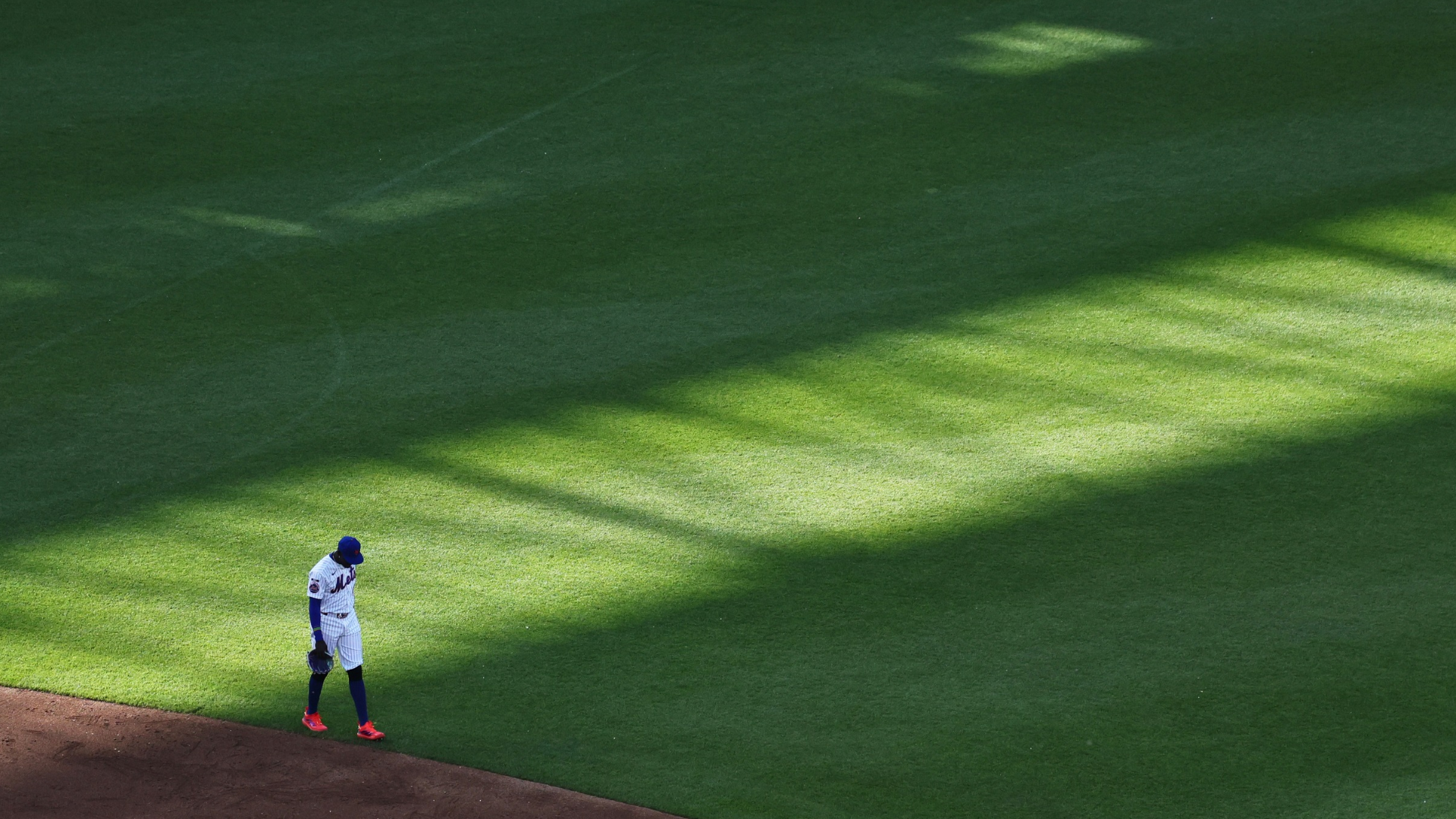
GettyRonny Mauricio #0 of the New York Mets stands during the second inning of game two of a doubleheader against the Colorado Rockies at Citi Field on April 26, 2026 in the Queens borough of New York City. (Photo by Heather Khalifa/Getty Images)
Britton’s reporting points to something the Mets can no longer avoid.
This outcome was always possible.
President of baseball operations David Stearns built a roster with volatility baked into it. He chased upside-down while accepting inconsistency as part of the equation. The roster reflects a clear bet on players with wide performance swings. Durability concerns were part of that gamble from the start.
That approach raises a team’s ceiling.
It also lowers the floor.
Right now, the floor has disappeared.
Juan Soto missed time. Francisco Lindor is now dealing with a calf injury that could keep him out well into the summer. Depth players are being stretched into roles they were never meant to handle. Young hitters are being asked to lead instead of develop.
The result is predictable.
When nothing clicks, everything collapses.
This is what a high-variance roster looks like when it breaks the wrong way.

The Mets Don’t Have Time Anymore
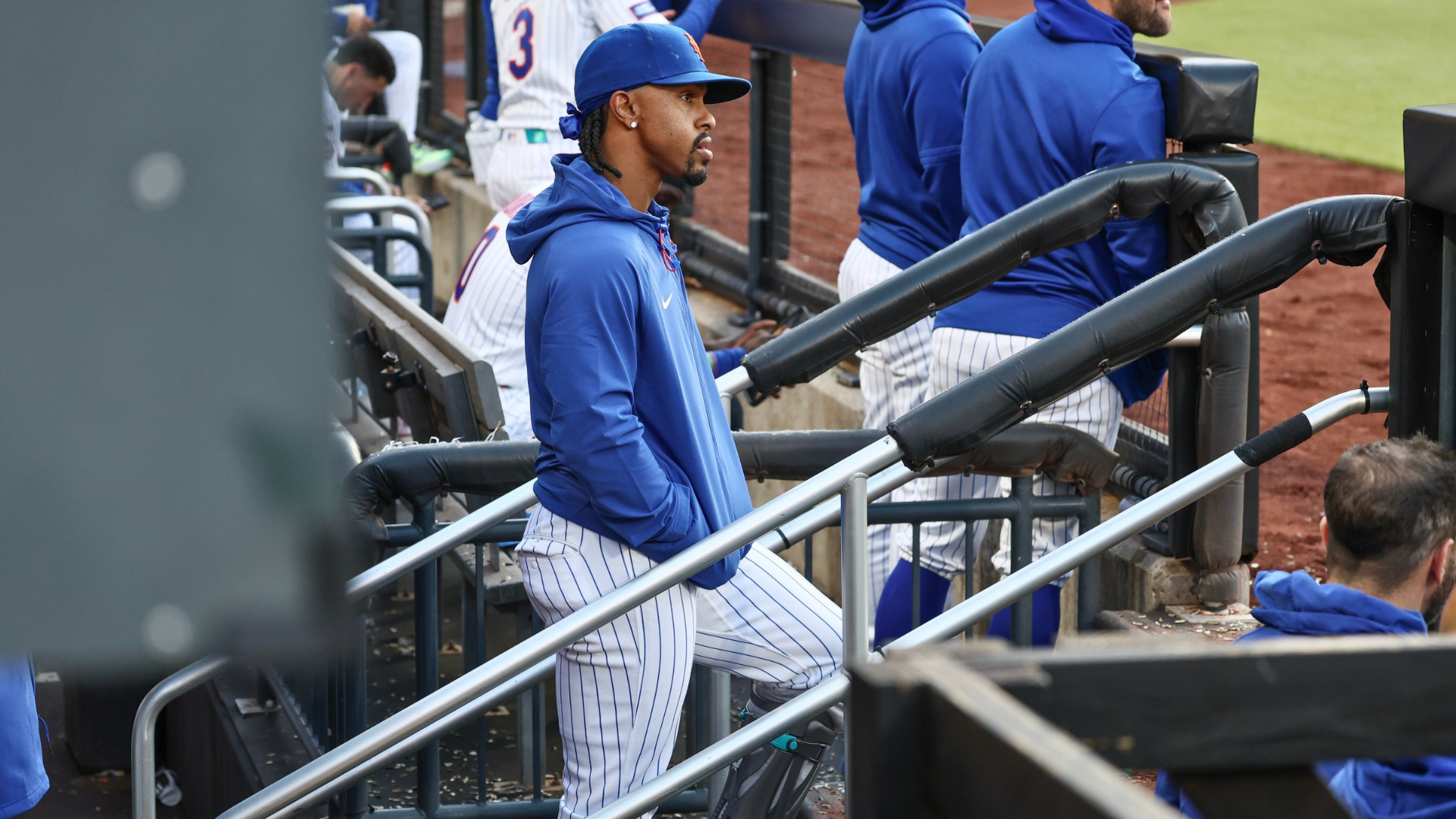
GettyAn injured Francisco Lindor of the New York Mets wears a walking boot in the dugout during game two of a doubleheader against the Colorado Rockies at Citi Field on April 26, 2026 in the Queens borough of New York City. (Photo by Heather Khalifa/Getty Images)
The most important detail in Britton’s reporting is not the losses. It is the timeline.
Stearns has said he prefers to evaluate his team after 45 games. That plan no longer works.
Lindor’s injury changed the timeline.
The standings eliminated patience.
The rest of the league raised the stakes.
The Boston Red Sox already fired Alex Cora. The Houston Astros are struggling. The Philadelphia Phillies are stuck in the same hole as the Mets.
This is no longer a slow start. It is a pressure point across the league.
That creates a different kind of opportunity.
April rarely offers solutions. This year might be different. Teams with expectations are already pivoting. Trade markets could open earlier. Change-of-scenery deals could become realistic sooner than expected.
The Mets cannot afford to wait and hope. They need to act.

Why This Matters Now
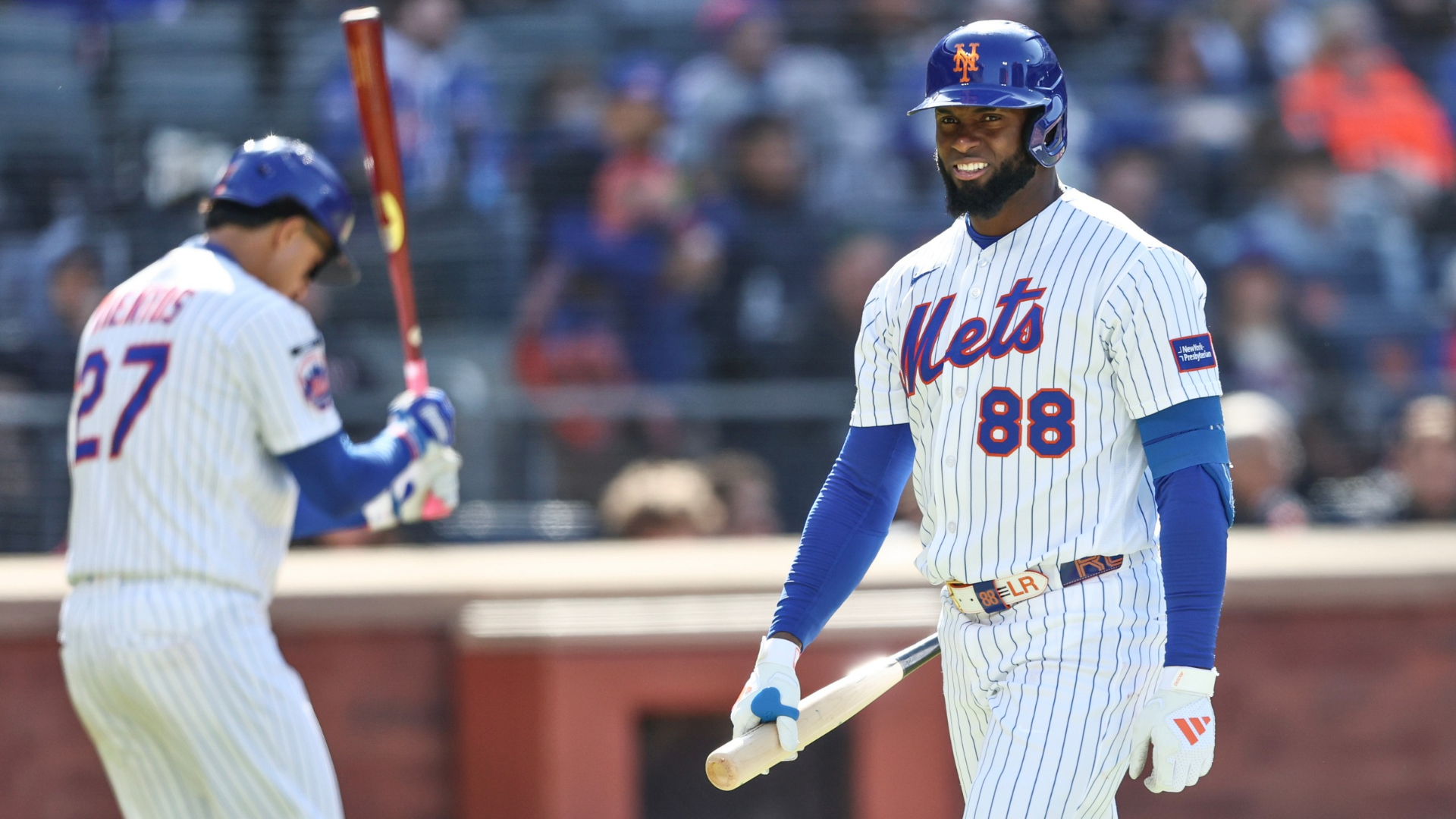
GettyLuis Robert Jr. #88 of the New York Mets walks back to the dugout after striking out during the eighth inning of game one of a doubleheader against the Colorado Rockies at Citi Field on April 26, 2026 in the Queens borough of New York City. (Photo by Heather Khalifa/Getty Images)
This is bigger than one bad series or one bad month.
The Mets built a roster that depends on things going right. When those things stop going right, there is no safety net.
That is what makes this moment dangerous.
If this is rock bottom, the Mets can respond. They can adjust. They can reshape the roster and stabilize the season.
If it is not, then this team is not underperforming. It is simply revealing what it is. And that forces a much harder question going forward.
Are the Mets a contender that started slow, or a flawed roster that is already showing its limits?
The answer will define everything they do next.
Like HEAVY’s content? Be sure to follow us.
This article was originally published on HEAVY
The post Mets Writer Warns This May Not Be Rock Bottom appeared first on HEAVY.