The college football landscape is continually changing by the day.
This includes the recent ruling that gifts athlete five years of eligibility. All of the changes are in-line with the ever-changing NIL era, which is reshaping how programs operate.
The concept of “money buys championships” isn’t always true, but it is continuing to trend that way in the FBS landscape.
College Football’s Top Teams Also Highest Spenders
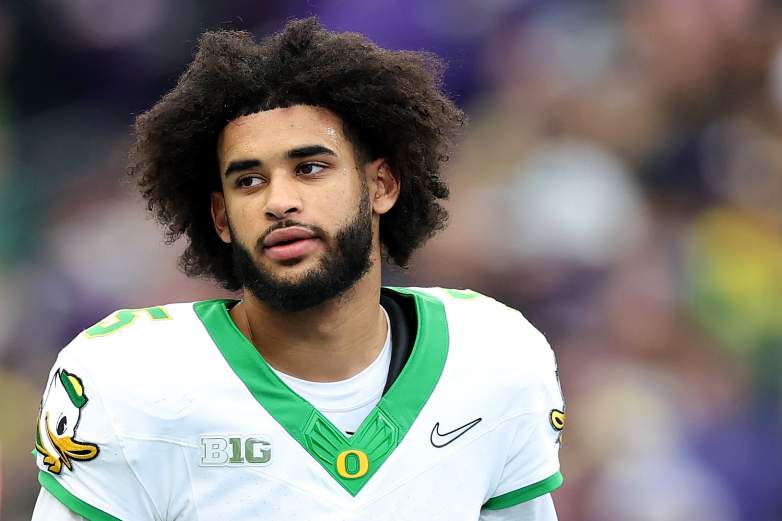
GettyDante Moore is still benefitting from an expanding NIL world.
Chris Hummer and John Taltly of CBS Sports revealed a fascinating case study of how the NIL landscape is at work in 2026 on Tuesday.
A mix of athletic directors, general managers, agents, and more were subject to giving their estimations around the most expensive rosters in the nation.
There is seemingly a correlation between the highest spenders and the best teams at the FBS level.
Seven programs are exceeding the $40 million threshold, while five more sit just below that figure.
The $40 million club is as follows.
LSU Tigers
Miami Hurricanes
Notre Dame Fighting Irish
Ohio State Buckeyes
Oregon Ducks
Texas Longhorns
The programs just under $40 million:
Georgia Bulldogs
Michigan Wolverines
Ole Miss Rebels
Tennessee Volunteers
USC Trojans
There are two distinct conclusions that are able to be drawn here. The first is that the programs that “have” are going all-in on building winning teams. The only program that is part of the cut above that didn’t reach the top 15 of the preseason AP Poll is Tennessee.
Programs that are in partnership with a robust collection of boosters are benefitting the most. This also happens to be programs that are representing the SEC and Big 10, the two leagues that are owning a seven-title streak combined.
The other takeaway is that a quarterback goes a great distance towards competing. Each of the 12 teams (save Tennessee) are rostering a quality quarterback at the very least. Programs such as Texas, Ole Miss, and Oregon are paying an elite player at the position north of $5 million. Schools such as Georgia are paying a hefty dollar figure to “solid” quarterbacks (Gunner Stockton) as well. It ultimately seems as if the key to winning a lot of games is a pricey quarterback, however this has an opportunity to be disproven.
One team that has an opportunity to buck the trend is Arizona State. There isn’t a set dollar value that QB Cutter Boley is making at ASU, but the estimation is between $2-2.5 million. This is an incredible reduction from what Sam Leavitt is receiving from LSU. In turn, the Sun Devils were free to focus on spending more on other position groups, which led Omarion Miller, Reed Harris, and others to Tempe.
Will Arizona State shock the Big 12 and win another title with a “below-market” starting quarterback? It’s possible, but only time will tell.
Which Programs are Rising in NIL Capabilities?
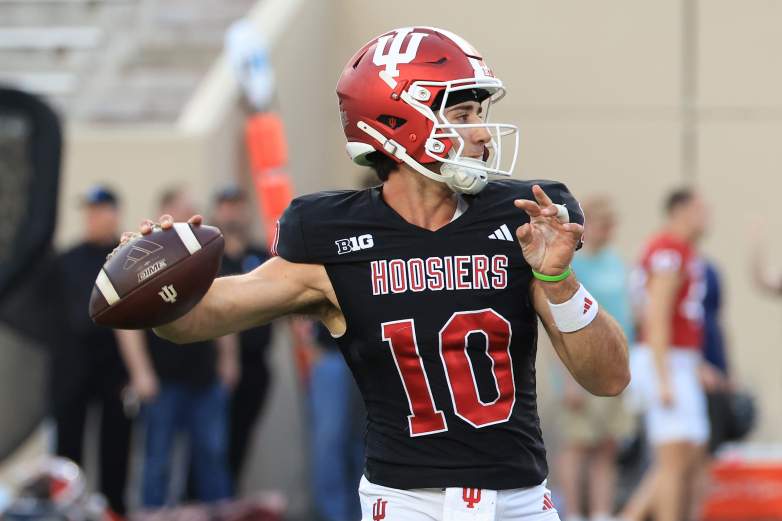
GettyIndiana is banking on the high-priced Josh Hoover to lead a title defense.
Texas Tech is the clearest example of a rising power in the NIL sphere. Cody Campbell is continuing a historic effort that is positioning the Red Raiders at the top of the Big 12. Wisconsin, Indiana, Tennessee, and Florida are seeing rapid improvements as well, to varying degrees.
Indiana is perhaps the most substantial player in the new era. The Hoosiers are historically an afterthought in football, but Curt Cignetti is reshaping this. Now, the program is receiving major contributions from prominent individuals such as Mark Cuban. This is setting the stage for Indiana to be a long-term competitor in the new era.
The moral of the story? While money doesn’t necessarily buy wins, it doesn’t hurt to take advantage of this avenue.
Like HEAVY’s content? Be sure to follow us.
This article was originally published on HEAVY
The post How Far NIL Truly Goes in Building Elite College Football Program appeared first on HEAVY.