Contemporary ballet dancer Nia Davis is in demand.
Beyond performing with Visceral Dance Chicago, she also teaches at the company and at another studio in the suburbs.
But juggling multiple jobs, often for financial reasons, sometimes takes a toll on her body.
“I remember getting so sick because I was like, ‘I’ve got to make money,’” said Davis, of Humboldt Park. “And my health started to deplete.”
Earlier this year, Davis sustained fractures in her foot that she was able to get treated quickly as a dependent on her parents’ insurance. But when she turns 26 in November, she’ll have to figure out another plan for coverage, which is not provided by her employers.
“I have no idea,” she said of her next steps. “Hopefully it comes to me with ease.”

The Chicago Dance Health Fund addresses needs for dancers like Davis by providing dozens of healthcare grants each year. And on Saturday at The Auditorium, it will host its 35th “Dance for Life” fundraiser, a nearly sold-out show that will highlight 11 local dance companies and the works of notable choreographers, including a world-premiere finale by Ryan Duncan. The event is on track to raise $500,000.
The nonprofit has seen an increase in grant applications in recent years, as many dancers are uninsured or underinsured. And the industry’s prominent union for dancers, American Guild of Musical Artists, has seen an uptick in organizing among dancers. Leaders at both organizations say the demand for assistance is only going to escalate as underfunded, financially strapped arts organizations struggle to keep up with rising healthcare costs.
“Healthcare is a problem the nation has to solve, and what we’re doing now is filling in the gaps in the dam before it collapses from the leaks,” said James Odom, a regional director of the union, which represents about 100 dancers in the Chicago area, including members of the Joffrey Ballet. “That’s not sustainable.”
Before assisting dancers with general healthcare needs, “Dance for Life” began as a benefit for AIDS Foundation Chicago during the height of the HIV/AIDS epidemic. While the Chicago Dance Health Fund still donates to the foundation, it has expanded its focus to offer $5,000 Critical Health Needs Grants and $1,000 General Health and Wellness Grants. Dancers have used the money for everything from cancer treatments and hip replacements to dental visits and physical therapy.
The dance fund also partners with health organizations such as Howard Brown Health, Athletico Physical Therapy, Shirley Ryan AbilityLab and the American Cancer Society to offer dancers free or discounted care.
While some dance companies like Joffrey Ballet and Deeply Rooted Dance Theater provide insurance plans, many can’t afford to, especially if they have limited seasons of programming. As a result, some dancers seek coverage through the Affordable Care Act. But they often have to balance working enough jobs to pay their bills, while still qualifying for Medicaid or lower premiums.

Dancers who have contracts with the Lyric Opera of Chicago, Chicago Opera Theater, Chicago Symphony Chorus and the Grant Park Chorus have access to some healthcare assistance, retirement funds or other benefits through the American Guild of Musical Artists. But some of those allowances have been limited by complicated federal regulations in recent years, Odom said.
“Running an arts organization is difficult,” said Michael Anderson, managing advisor of the Chicago Dance Health Fund. “Some of the smaller companies really do look to us for some help with dancers, especially if they get injured and need rehabilitation.”
It’s a relief for dancers, who sometimes downplay their injuries out of fear of exorbitant medical bills, Davis said. That financial insecurity, on top of trying to meet the physical demands of their jobs, can add to emotional stress.
“There are a lot of dancers holding a lot of things in,” she said. “Sometimes we’re trying so hard to do something that we forget the joy, and I think we need to remind ourselves of that.”
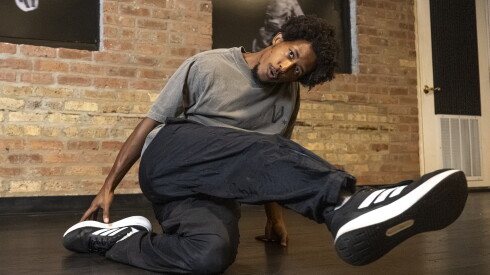
Dancers’ need for mental health services was a major reason why the Chicago Dance Health Fund began offering the General Health and Wellness Grants during the COVID-19 pandemic, Anderson said.
The support came in handy a couple years ago for Phill Wood, a member of Chicago Dance Crash, who specializes in breaking, hip-hop and house styles.
“The first time I was able to afford a therapist was through assistance from [the fund],” said Wood, who lives in Logan Square. “This money saves lives.”
Wood is insured through the Affordable Care Act, which he said has been cost-effective – so far.
“I haven’t needed to meet a deductible yet, since I haven’t had a medical emergency,” he said. But he also said he can lean on his mother for “extra support” if something happened.
Dancers can benefit from more education on how to apply for health insurance, he said.
“I’m 30 and I’m still figuring out basic things to get by in society.”
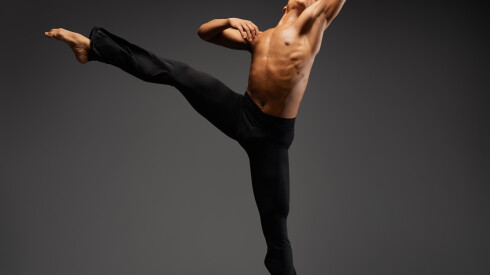
Contemporary dancer Mekeba Malik got a crash course in copays, deductibles and other insurance terms when he became a caretaker for his late mother in high school.
“That experience was very fundamental for dealing with my own injuries and health conditions,” said Malik, 25, of Washington Park. “It prepared me for having to face the healthcare system on my own.”
Malik has access to healthcare through his company, Deeply Rooted Dance Theater.
“That’s no easy feat, especially for a smaller, modern dance-based company,” he said. “I know a lot of ballet companies that get more funding and more notoriety.”
He is also reminded how rare it is to be insured when he recommends something as simple as going to the chiropractor to another dancer.
“I’m like, ‘Oh, wait, you’re right,’” he said. “‘That’s expensive.’”
Even with insurance, Malik said he received costly medical bills when he injured his foot. But he was able to pay for them with a grant from the Chicago Dance Health Fund.
“They take really good care of the dancers,” he said. “They just recognize the value that we bring to Chicago.”
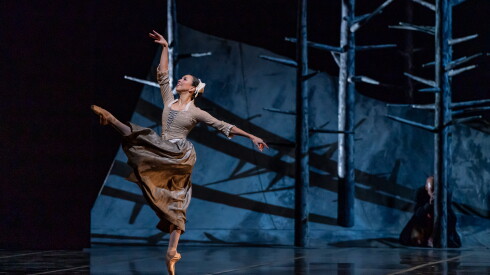
Like Malik, Anais Bueno is insured through her company, the Joffrey Ballet. But she has seen her colleagues benefit from the dance fund, including a dancer who was diagnosed with cancer.
“All of his treatments were super expensive, and the dance fund helped him immensely,” said Bueno, 37, of West Loop. “He’s now healthy and back dancing with us.”
If companies can’t provide health insurance, they should consider offering a stipend to maintain healthy lifestyles and thus prevent some ailments, Bueno said. Dancers could spend the money on massages, gym memberships, groceries or supplements.
But supplemental funding is simply a “stopgap” without universal healthcare in the U.S., James Odom said.
“The situation is just barely tolerable.”
In the meantime, dancers are taking more agency over their lives, he said.
“We’ve seen them become far better educated on taking care of themselves,” he said. “Organizing helps them have a work-life balance that was not possible before, and it gives them some sense of self-determination in the workplace.”