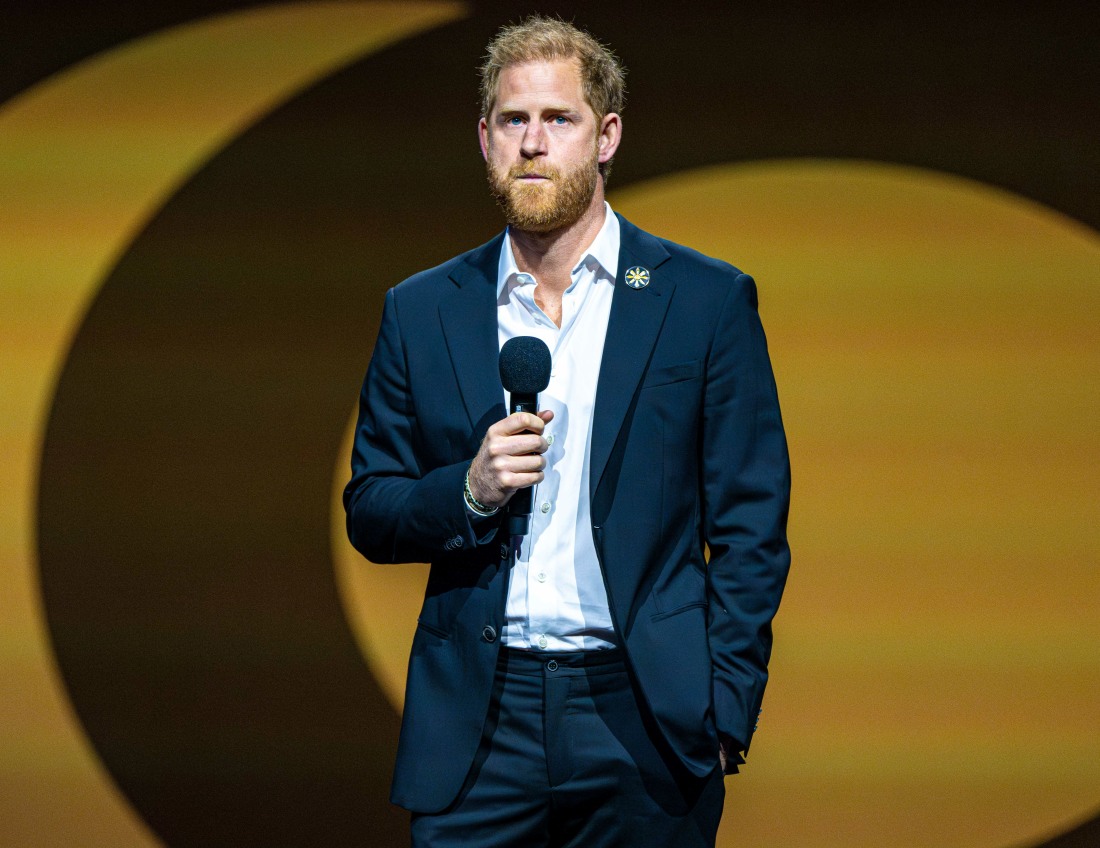
Last September, Prince Harry formally requested that the British Home Office complete a risk assessment for himself and his family. The Home Office agreed, then proceeded to slow walk the process. Apparently, Harry was told that the risk assessment would be done in March. It was not. The assessment was mysteriously “paused” months ago. Weeks after Harry submitted his 28-days-notice ahead of his UK visit, he was informed that not only was the assessment paused, but that he would receive zero police protection in the UK, not even for the Invictus One Year to Go events. As it turns out, back when Harry had faith that a risk assessment would take place, the Home Office asked him to submit his own private report about why he believes he’s at risk in the UK. His private security firm compiled a 40-page report and submitted it last December. The Telegraph got their hands on it:
Terrorists could create a “mass casualty event” if the Duke of Sussex is targeted at the Invictus Games, his private security company has warned the Government. A 40-page risk assessment found that the Duke faced an “elevated risk” in the UK, where five of the six known home-grown terror plots against him originated. At least four individuals responsible for those threats are thought to be out of prison, their whereabouts unknown.
The report, compiled at the request of the Home Office, said the biggest threat facing Prince Harry was from “lone actors” or “grassroots” terrorists, who often target public figures who receive high levels of negative publicity. The narrative that he is a “traitor” and poses a threat to the Royal family only serves to incite British nationalist anger, it stated. The report outlined a plethora of outstanding threats facing the 41-year-old, who, despite his change in status, remains the King’s son and “a symbol of the Crown”.
It said: “A violent attack on the Duke in a public venue has the potential to become a mass casualty event. The Invictus Games are scheduled to return to the United Kingdom for the first time since the inaugural games in London in 2014. Birmingham is set to host the event in July 2027, meaning that threats to the Invictus Games will fall under UK authority.”
In December, after making a personal appeal to Shabana Mahmood, the Home Secretary, he was told that the Royal and VIP Executive Committee (Ravec) had changed tack and had instructed its Risk Management Board (RMB) to reassess the threat level against him for the first time in nearly six years. As part of the process, his private security firm was asked to submit a detailed assessment, to be considered by the RMB alongside other reports from bodies including MI5 and MI6. The analysis was scheduled to be carried out in March, but the Duke was informed last week that it had never happened and that all RMB assessments had been “paused”. At about the same time, he was told that his request for police protection during a planned visit to the UK next week with his family had been denied.
The security assessment submitted to the RMB concluded that “the only way to mitigate residual risks to the Duke is to provide him with state-backed security”. It revealed that as of December 2025, 262 suspicious people, organisations and vehicles that had demonstrated a threat to the Duke’s family were being tracked. Of those, 10 per cent were found to have targeted the family with “dangerous stalking behaviour”.
In May 2023, the Duke’s security team in Montecito, California, confronted a man armed with a hammer and duct tape who intended to break into the family home, it said. The man was arrested on stalking charges. The report also claimed that since 2022, there had been at least 56 suspicious incidents involving correspondence, resulting in 12 fixated individuals being monitored.
The private security company, which The Telegraph has agreed not to name, said that while it was committed to protecting the Duke wherever he travels, it was “constrained by practices and procedures reserved only for British state security services”. The UK authorities were “much better positioned” to provide “comprehensive protection”, it found. By way of example, it noted that the Duke’s current security team was unable to carry firearms in the UK, preventing them from adequately responding to an armed attack from a terrorist, criminal, or mentally unstable individual. Only UK police, with approval from Ravec, can carry lethal weapons while protecting members of the Royal family. Without designated police protection, the risk shifted to local forces that are “neither resourced nor briefed” to manage such levels of exposure effectively, it said.
The Duke currently returns to the UK about twice a year to carry out charity engagements. Many local police forces have opted to deploy additional resources during those visits, to ensure adequate protection for the public. As such, officers are taken off front-line duties, with the individual forces left to pick up the bill.
I absolutely agree with the assessment that with or without Harry’s presence, the Invictus Games would be a huge “soft target” for terrorists, and that Harry’s presence adds to that risk significantly. Why hasn’t Invictus spoken up, and what happened to all of those British Veterans Affairs officials and Birmingham officials who eagerly bid on the games, knowing what all it would entail? And again, why was the risk assessment paused, and why was it paused months after Harry’s private security submitted this report to them? Is Britain’s police, security and counterterrorism apparatus held together with scotch tape and vibes? The Windsors and their henchmen are some of the most evil people in the world.
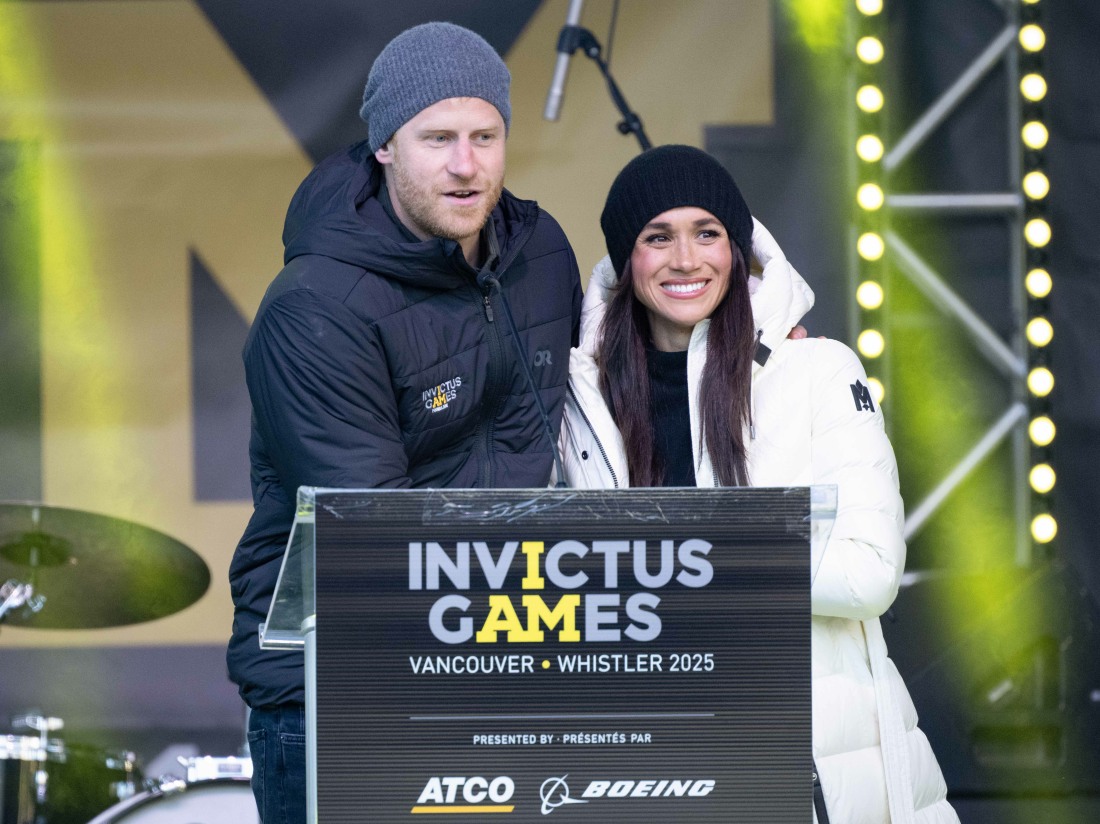
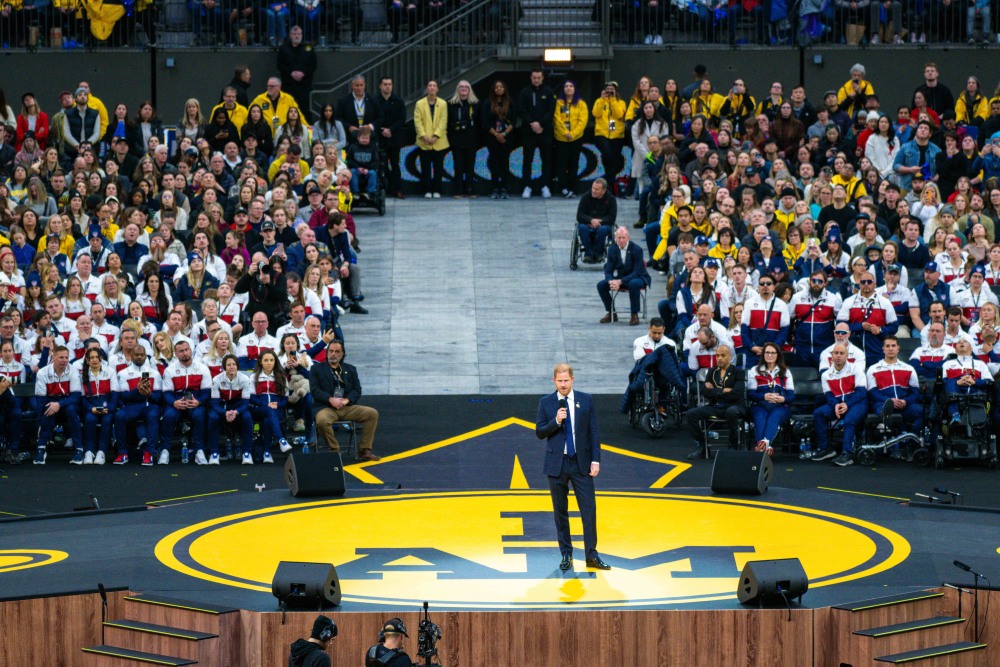
Photos courtesy of Cover Images.