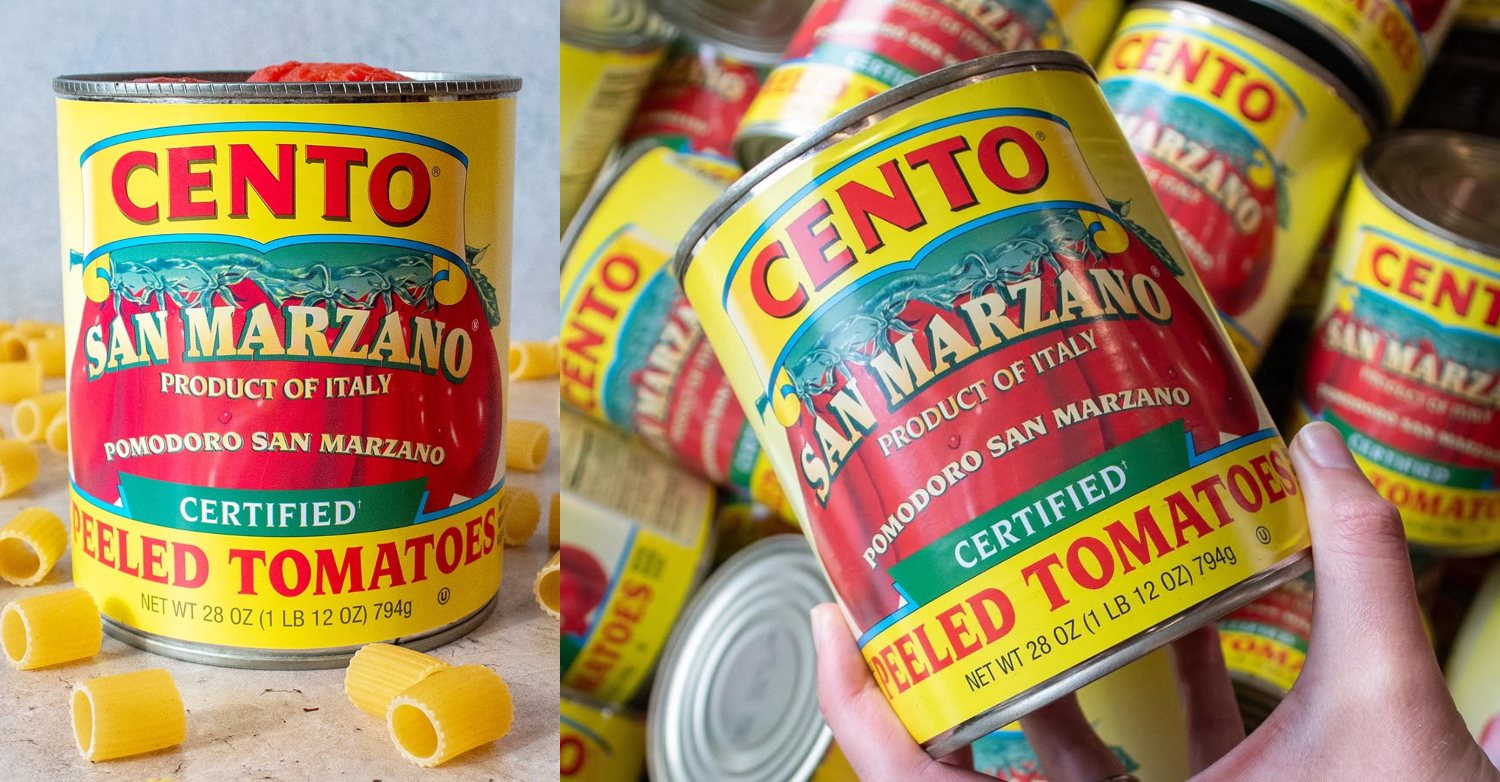
Last month, a group of under-caffeinated Californians filed a class-action lawsuit against Trader Joe’s over bags of coffee (allegedly) containing half the caffeine as advertised. It is to the discerning palates of California citizens that we turn once again for a new case of food mislabeling malpractice. Two Californians just filed a lawsuit against Cento Fine Foods for falsely calling their wares “San Marzano” tomatoes when they are not! To earn the privilege of bearing the name San Marzano, the tomatoes must be harvested by hand between July and September in the Agro Sarnese-Nocerino, Campania region of Italy near Mount Vesuvius. Since 1996, San Marzano tomatoes have had protected status by the European Union; a consortium of the EU — the Consorzio di Tutela del Pomodoro San Marzano dell’Agro Sarnese-Nocerino — is the only sanctioned body with the authority to designate San Marzanos as DOP-certified. Cento’s tomatoes are certified by a “third-party agency,” not the Consorzio. Thus, the California plaintiffs allege TOMATO FRAUD, and humbly ask the court for class-action status and $25 million. That’s a lot of pasta sauce!
The ‘Ferrari or Prada’ of tomatoes: A popular U.S. food distributor has long promised premium, Italian tomatoes in its products. Two Californians claim the company is committing tomato fraud. A lawsuit filed this month alleges that Cento Fine Foods, a U.S.-based Italian food distributor, falsely labels its products as containing San Marzano tomatoes. The tomatoes in question are a premium variety that can be grown only in Italy’s Campania region and are recognized by the food industry as the “Ferrari or Prada” of tomatoes, the lawsuit claims.
No proper certification, no San Marzano tomato: The complaint alleged that the company is falsely branding its tomato products because they lack the proper certification required to use the same. “They lack the taste, consistency, and other physical characteristics associated by consumers with certified San Marzano Tomatoes,” the lawsuit states. The plaintiffs in the California suit claim they were misled by deceptive labeling when purchasing the product more than a dozen times in California stores. The lawsuit seeks class-action certification and asks the judge to award more than $25 million to customers.
To-may-to, to-mah-to: San Marzano tomatoes have protected status in the European Union, meaning that an independent consortium must regulate and certify that the product is grown in the right region and with the proper techniques before it is sold. Cento says it has the right to use the name as its tomatoes are grown in the same region. Its website offers a detailed description of its harvesting and packaging process, which it says are in line with the consortium’s guidelines. Cento’s tomatoes, however, are certified by an independent third-party agency not affiliated with the consortium. … Cento had the consortium’s certificate until the 2010s.
A similar case filed against Cento in NY was dismissed in 2020: The judge ruled in favor of Cento, ruling that a reasonable customer wasn’t likely to seek tomatoes certified by the consortium over a product that matched the same standards but was certified by a different agency.
More on Cento’s process: The third-party certifying body administers random testing throughout the growing process and tests each product that arrives at the company’s New Jersey warehouse before it is released to stores, according to the website. The website also has a traceability feature, which enables customers to use a can’s lot number to find the field in Italy where the tomatoes were grown.
First of all, yes, these tomatoes really are worth all this agita. The San Marzano tomato is prized as the premier tomato for sauce-building, thanks to the variety’s meaty flesh, low seed count, and sweet taste. (San Marzanos are also noted for their “elongated plum shape” and “pointed tip,” which no did not sound to me like descriptions for a dildo, get your mind out of the gutter!) Now that we have that simmering on the backburner, back to the case at hand. I’d question the audacity of that judge in NY to insult the tomato-educated public by suggesting we think all certifications are the same. But honestly, I’m worried about this judge’s safety, because surely the Italian pomodoro mafia consorzio has gotten to them by now. Pomodoro is just one of the four families of DOP-certifiers in Italy, along with Prosciutto di Parma, Aceto Balsamico di Modena, and Parmigiano Reggiano, aka Big Parma — remember how they sponsored an Italian gymnast at the 2024 Olympics? These are big players, mess with them at your own risk!
All that to say, I hope the judge who takes this case in California spends a bit more time stewing on the facts and all the relevant precedents before determinating a decision. You know, landmark cases like Beefsteak v. Consortiums United and Griswold v. Campari (satirical). Fraud is fraud, tomato or otherwise, and not taking it seriously is a recipe for disaster.
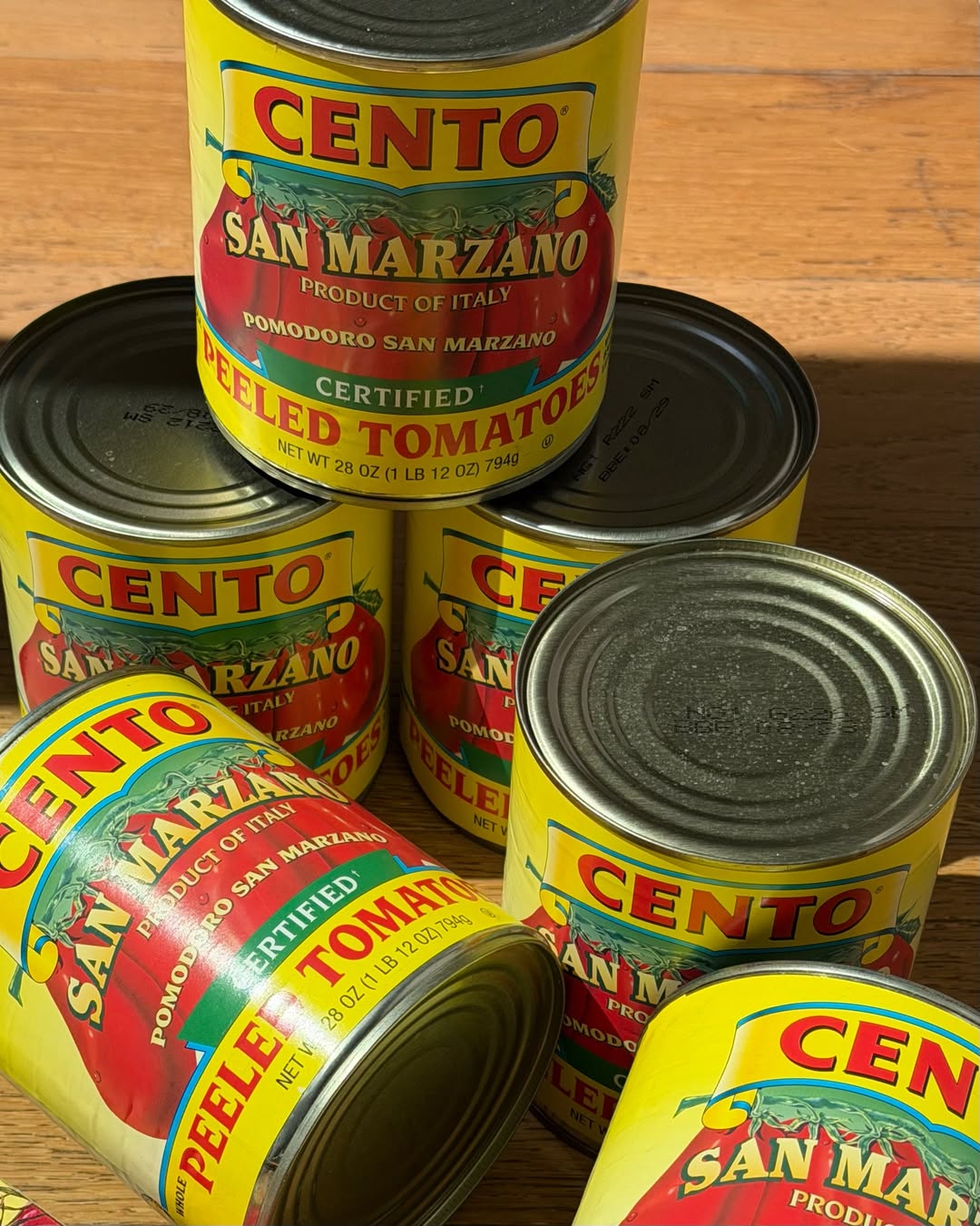
Photos via Instagram