The Dordogne is a region renowned worldwide for everything from gastronomy and gorgeous castles to grottos and grand cru vintages. Quite understandably at this time of deep uncertainty and major conflict in the Middle East, British travellers are opting to visit Europe rather than venturing farther afield. And, just an hour’s flight time from London, there are few more lovely places to visit than the southwest of France.
What to see
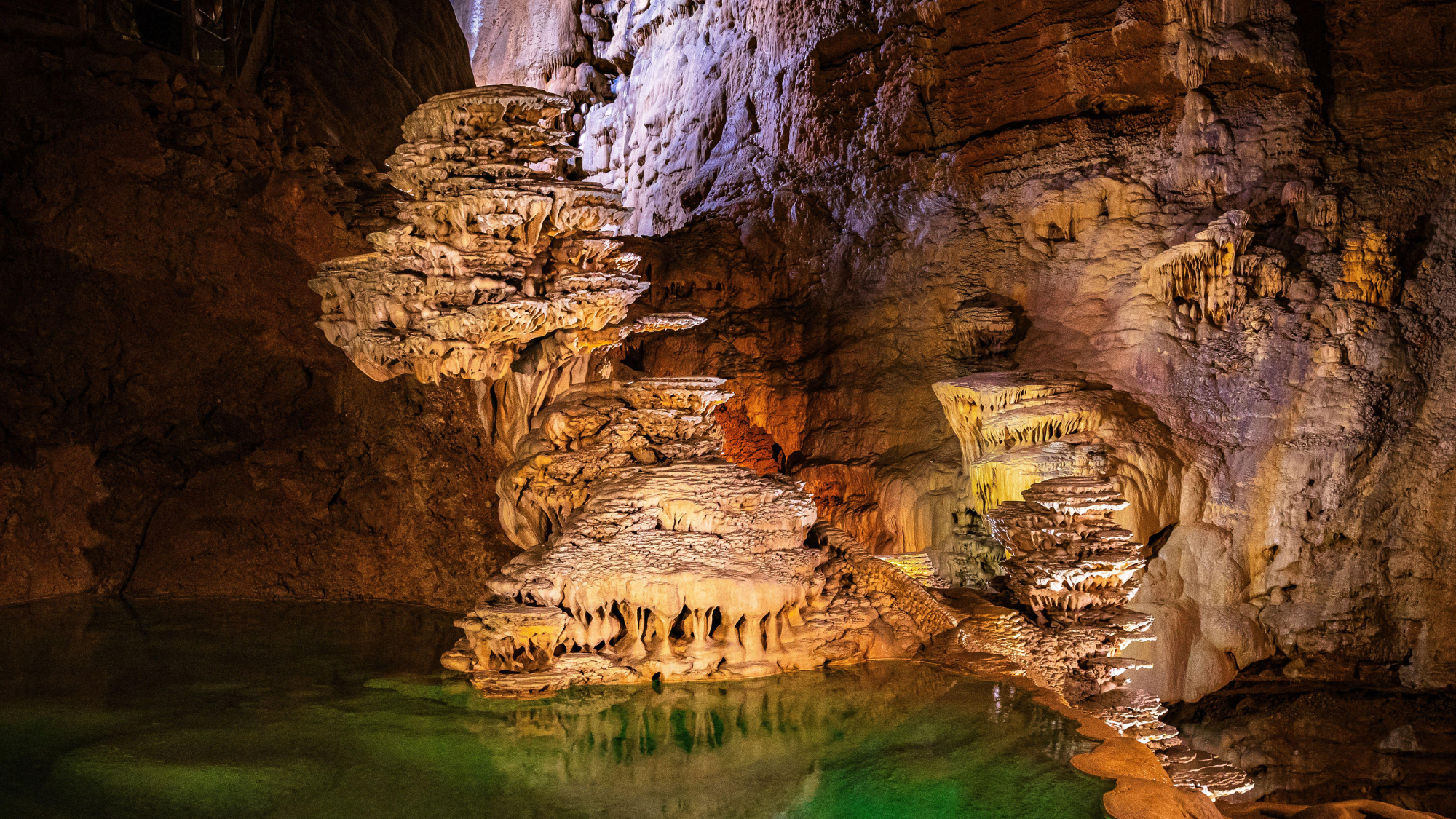

Among the many natural wonders of the Dordogne, a true highlight is the Padirac Caves. The largest underground natural heritage site in Europe, it is the most famous cave in France, welcoming 500,000 visitors a year.
The limestone cave system dates back to the Jurassic period 170 million years ago, when dinosaurs walked the earth. It was discovered in 1889 by the intrepid French explorer, Edouard-Alfred Martel. He descended 60 metres on a rickety rope ladder into a chasm known as the Devil’s Pit.
More than 100 metres deep and 20 kilometres long, Padirac is a breathtaking place to visit. You travel part of the way in a boat which has the feel of Charon’s ferry to the underworld. You are steered through an astonishing limestone canyon, crossing turquoise water where only tiny snails and blind shrimp are capable of living. The caves are adorned with 60-metre-long stalactites which descend from the roof like mesmerising aliens.
The high point of Padirac – literally and figuratively – is La Salle du Grand Dôme. An astonishing piece of natural theatre, it is a 93-metre-high cave large enough to fit the entire Notre Dame Cathedral. It’s a temple to the power of nature.
Around a two-hour drive from here lies the beautiful medieval city of Limoges that’s famed for its leather. You can spend a very enjoyable morning at the recently opened La Cité du Cuir (City of Leather) museum. It is housed in the city’s former tannery in nearby St Junien beside the River Vienne.
As well as a comprehensive display about the process of making leather, featuring many vintage implements, the museum offers a demonstration by an expert cutter of the immense skill required to craft a fashionable pair of leather gloves.
The museum also has a fascinating exhibit about the social history of leather. This includes the iconic moment when the American sprinters Tommie Smith and John Carlos raised their fists in a defiant Black Power salute during the US National Anthem at the 1968 Olympic Games in Mexico City. The relevant aspect of their protest? Their hands were clad in black leather gloves.
Like Padirac, this charming, atmospheric cheese shop, La Maison du Fromage, in the medieval centre of Limoges, is a sublime subterranean experience. You descend three storeys to the building’s ancient cellars, where you can try a selection of the region’s marvellous cheeses and wines by candlelight. The 250-plus cheeses are kept fresh in the constant 11C temperature.
Where to stay
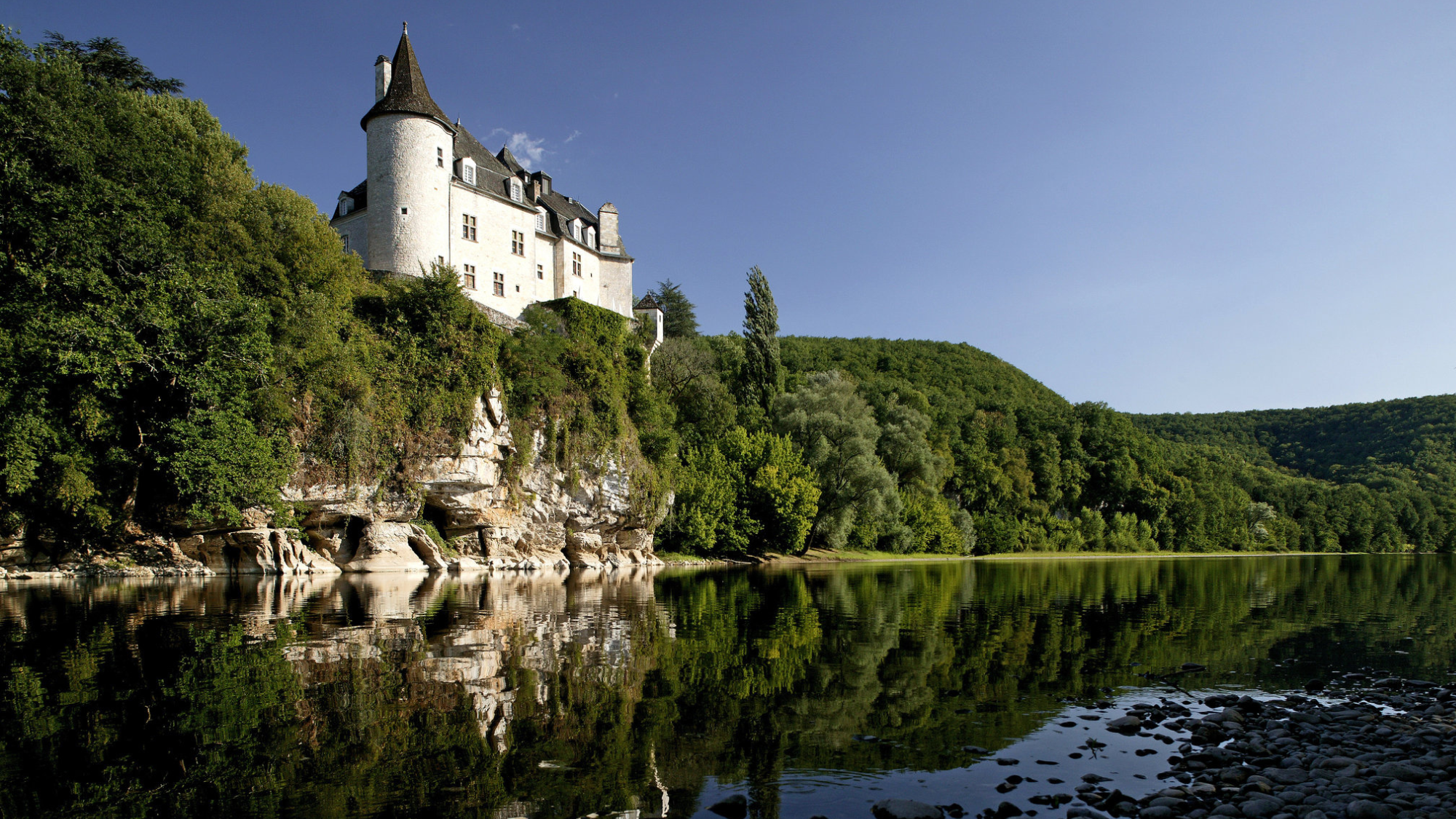
A fairytale castle dating from the 14th century, the Château de la Treyne hotel near Lacave appears to be teetering in an impossibly precarious spot atop a rugged cliff on the banks of the Dordogne.
The interior, which has 18 very different bedrooms, is equally impressive. It is easy to see why Henri IV felt at home when he stayed here. I spend the night in a grandiose red-hued room called Gothique, which has a suitably regal double bed.
The dishes on offer in the château’s Michelin-starred restaurant are equally sumptuous. Please do not leave without sampling the divine dessert of Caribbean coffee-chocolate delice with a hint of tonka beans and cacao nibs. Truly, food fit for a king.
With 14 rooms, three suites and a villa, La Chapelle Saint Martin, is set in 40 acres of parkland near Limoges.
In the splendid Michelin-starred restaurant, you can sample such delicacies as the signature Limousin rack of veal with meat ragout and truffle sauce. In a clever nod to the regional speciality of porcelain, it’s all served on plates by local makers Bernardaud, decorated by the artist Marco Brambilla.
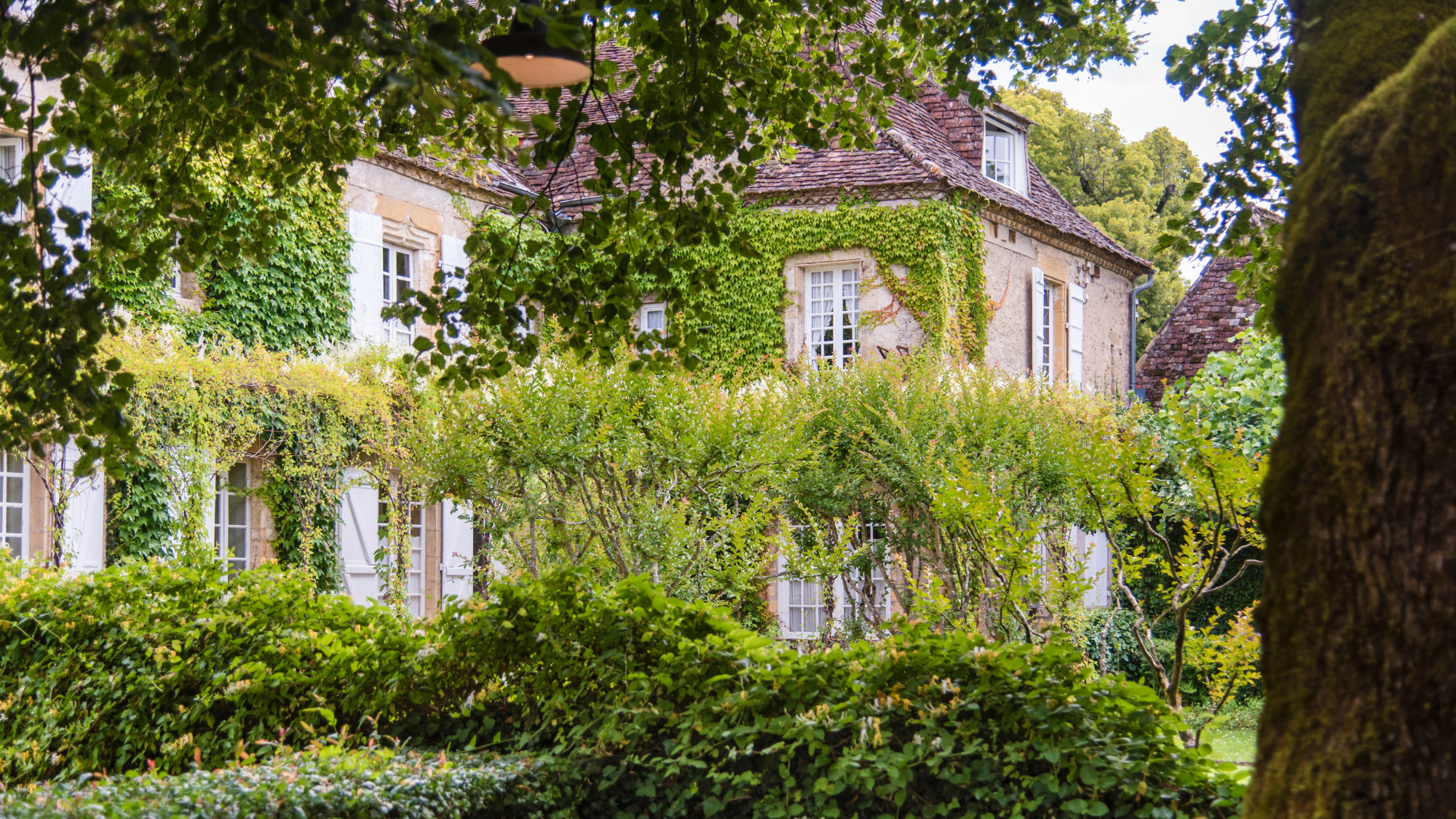
Another stand-out hotel serving Michelin-starred food is Le Vieux Logis, in Trémolat in deepest Dordogne. It occupies a lovely former medieval priory and features an immaculately kept formal garden. In the restaurant, in a capacious room that used to be a tobacco-drying chamber, you can delight in dishes from a menu of seasonal specialities.
The verdict
The Dordogne is a breathtaking region. If you’re looking to avoid long-haul flights in these turbulent times, this is the ideal short-haul destination.
The famous French film director Claude Chabrol, who spent six weeks in Trémolat shooting the psychological thriller “The Butcher” in 1970, signed the visitors’ book at Le Vieux Logis, writing: “To leave paradise and return home is the height of sadness. Pity me!”
I know exactly how he feels.
James Rampton was a guest of Château de la Treyne; La Chapelle Saint Martin and Le Vieux Logis.