The New York Mets are approaching a breaking point, and the pressure is building around a decision they never expected to face this early in the season.
Robert Murray of FanSide did not simply introduce trade speculation involving Freddy Peralta. His reporting outlined a scenario that becomes increasingly realistic if the Mets fail to reverse their current trajectory.
This development matters because it shifts the conversation from possibility to inevitability, placing the organization in a position where inaction carries as much risk as any move they could make.
The Mets Are Losing Control of the Timeline


GettyFreddy Peralta #51 of the New York Mets throws a pitch against the St. Louis Cardinals during the third inning of a spring training game at Roger Dean Stadium on February 27, 2026 in Jupiter, Florida. (Photo by Rich Storry/Getty Images)
The Mets entered the season with a clear vision for Peralta as a long-term anchor in their rotation. The front office committed significant prospect capital to acquire him, expecting both immediate impact and future stability.
That plan has not unfolded as expected.
The team’s 12–22 start has forced a change in how the rest of the league evaluates the Mets. Rival executives have already begun exploring trade scenarios earlier than usual, recognizing that struggling teams often become sellers faster than anticipated. Peralta’s consistent performance and track record make him a natural target in those discussions.
Peralta has maintained a career 3.60 ERA while demonstrating durability and the ability to miss bats at a high level. Contending teams value pitchers with postseason experience and reliable command, especially when those pitchers are on expiring contracts.
That contract status is critical.
It shifts Peralta from a foundational piece into a strategic decision point. If the Mets remain outside the playoff picture, holding him through the season introduces the risk of losing him in free agency without compensation. Trading him, on the other hand, offers an opportunity to recover value in the form of controllable assets.
The Mets are no longer operating in isolation. Their record is shaping how the rest of the league approaches them, which limits their flexibility as the season progresses.


The Decision That Forces a Direction

GettyFreddy Peralta #51 of the New York Mets delivers a pitch against the St. Louis Cardinals in the first inning at Busch Stadium on April 1, 2026 in St Louis, Missouri. (Photo by Dilip Vishwanat/Getty Images)
The Mets have not signaled a willingness to sell. David Stearns continues to emphasize patience and internal improvement rather than immediate roster changes. That approach reflects a belief that the current roster can stabilize and compete.
However, that belief faces a shrinking window.
If the team does not improve by midseason, the trade deadline will force a more definitive strategy. Contenders with rotation needs will increase their pursuit of high-end pitching, and Peralta will rank among the most attractive options available.
The Mets could use that leverage to acquire multiple pieces that fit their long-term plans. At the same time, making such a move would signal a shift away from competing in the current season.
There is also a strategic alternative that complicates the situation further.
Trading Peralta does not eliminate the possibility of bringing him back in free agency. Similar scenarios have occurred in the past, including when the Yankees traded Aroldis Chapman and later re-signed him. While uncommon, this approach allows teams to maximize value without permanently losing a player.
Execution remains challenging.
Such a strategy requires alignment between the player and the organization. Reports indicate that differences already exist between Peralta’s contract expectations and the Mets’ preferred terms, which introduces additional uncertainty.
That uncertainty increases the cost of waiting.
Choosing not to act could result in losing both the player and the opportunity to improve the roster.

Why This Moment Defines the Mets
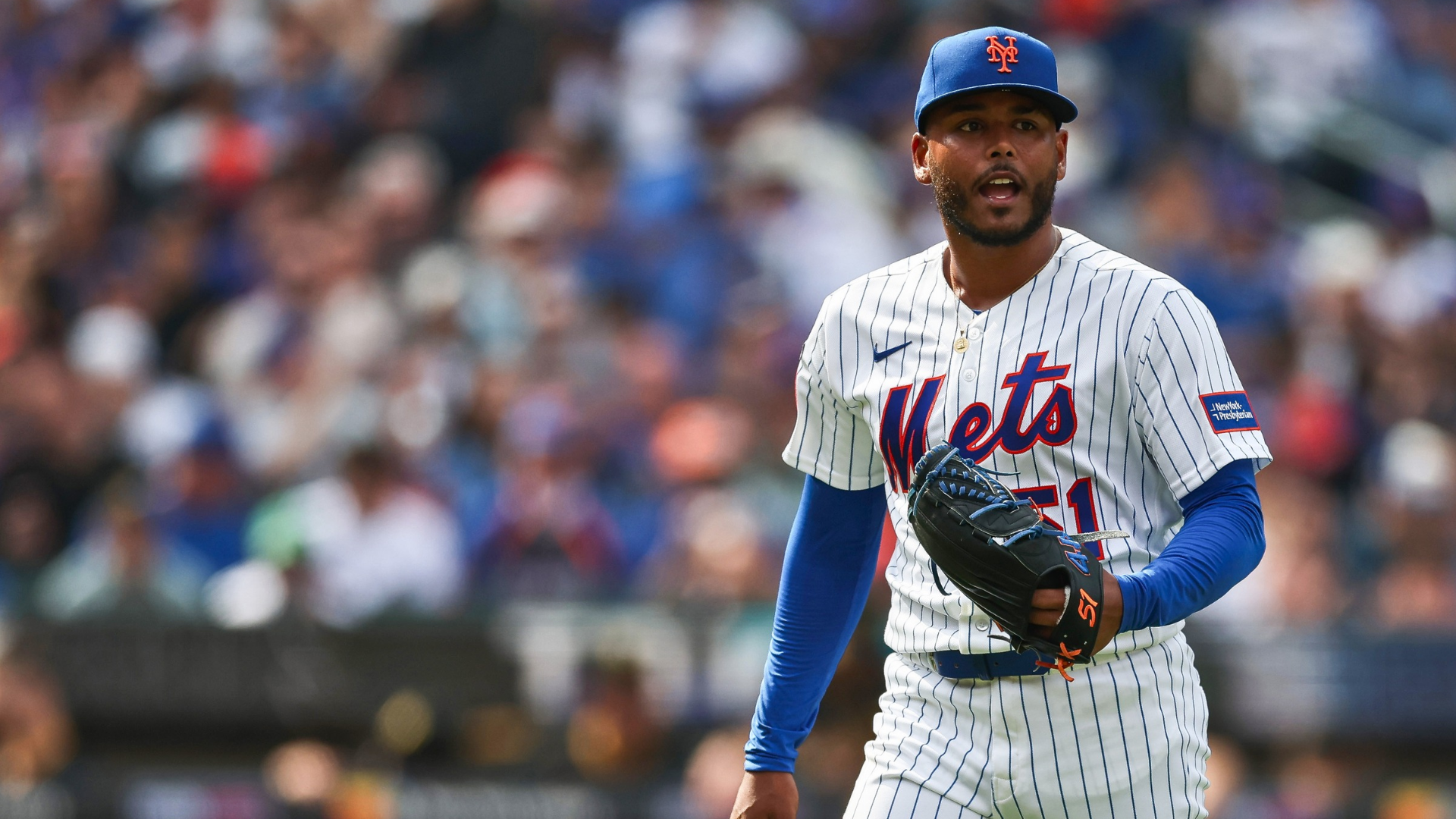
GettyFreddy Peralta #51 of the New York Mets reacts after pitching in the fourth inning against the Pittsburgh Pirates on Opening Day at Citi Field on March 26, 2026 in the Queens borough of New York City. (Photo by Ishika Samant/Getty Images)
This situation extends beyond a single player and reflects a broader organizational crossroads.
If the Mets retain Peralta, they reinforce their commitment to competing this season and signal confidence in a turnaround. That decision places pressure on the current roster to produce immediate results.
If they decide to trade him, they acknowledge that the current approach has not worked and shift focus toward future assets. That choice redefines expectations for the remainder of the season and alters how the organization is perceived across the league.
The Mets may prefer to delay this decision, but their performance will ultimately determine the outcome. Continued struggles will force the front office to engage with a market that is already preparing for Peralta’s availability.
The timeline is no longer entirely within their control.
If the current trend continues, the Mets will not only influence their own future but also shape the broader dynamics of the MLB trade deadline.
Like HEAVY’s content? Be sure to follow us.
This article was originally published on HEAVY
The post Mets Facing Tough Call on Key Pitcher appeared first on HEAVY.