When Prince William became the Prince of Wales, one of the first things he did was reverse several of his father’s internal policies involving the Duchy of Cornwall, a slush-fund real-estate empire full of slums, farms, prisons and commercial rentals for charities and the NHS. William stopped releasing information about the taxes he pays on duchy income, reversing what Charles did for decades. Then, last week, the Times of London had a curiously-sourced article about how William probably pays about £7 million in taxes annually. Which sounds about right. Well, Norman Baker loves to whack the Windsors over money, so he’s extensively quoted in a new Mail piece about William’s money and how he spends it.
As a member of the Royal Family, details of Prince William’s personal finances are a closely guarded secret. But with ski holidays, school fees, football tickets, seven houses to run and a £7million annual income tax bill, even the heir to the throne must try to make ends meet. The majority of the Prince of Wales’s private income comes from the Duchy of Cornwall, a private estate worth about £1.1billion. It turns an annual profit of around £22million-a-year.
Traditionally, the surplus generated by the Duchy funds charitable and personal activities, including private royal residences, while some expenses – such as Kate’s working wardrobe and costs incurred during royal duties – can be written off against tax.
However, details of how William funds the likes of his personal wardrobe, holidays and football tickets are less clear, though reports have indicated he did receive inheritance from his mother, Princess Diana, and the late Queen Elizabeth II.
Yet while the prince has refused to disclose his tax contributions in the past, a recent report by the Sunday Times has revealed the future King is paying a staggering £7million income tax bill, placing him in the top 0.002 per cent of UK taxpayers.
Royal Author Norman Baker told the Daily Mail: ‘In 2024/2025 the Duchy produced a healthy profit of £22.9million. When Charles was Prince of Wales he would every year declare how much tax he had paid, but William discontinued that practice.’
Describing the Duchy of Cornwall as a ‘royal fruit machine’, Mr Baker noted: ‘The recent Sunday Times story, which suggested he paid about £7million in tax last year, perhaps shows that the solid pressure on him to be more open is bearing fruit. We know from an earlier parliamentary inquiry that Charles, when Prince of Wales, claimed expenses against his Duchy of Cornwall income for 28 personal staff – butlers, valets, gardeners and the like – and some expenditure for Camilla before they were even married, including her travel costs, jewellery, and stabling for her horses.’
‘Charles in 2009 even tried to get his polo ponies accepted as a business expense,’ said Mr Baker, author of Royal Mint, National Debt: The Shocking Truth about the Royals’ Finances. ‘We also know that since becoming Prince of Wales, William has refashioned the board of the Duchy of Cornwall, which he insists is a private estate, to bring in investment bankers and property developers, which indicates the generation of profit for himself, rather than wider royal duties, is his top priority.’
While the exact source of William’s private funds are unclear, Norman ‘suspects’ they may go towards ‘some maintenance costs for his personal property portfolio of seven houses, clothes and other personal expenses for himself and Kate’.
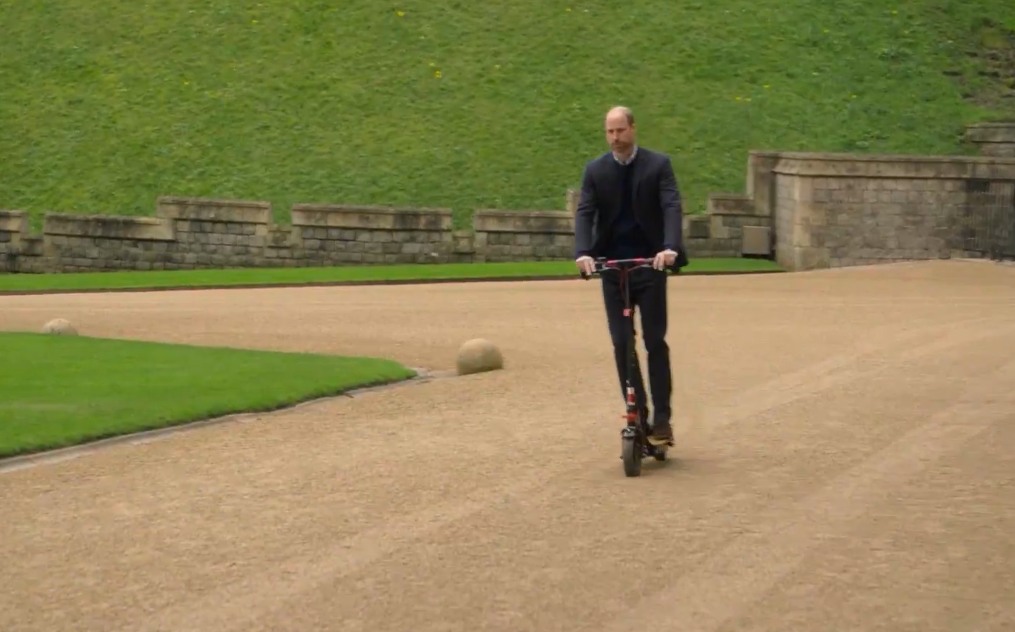
The Mail then goes on to list specifics of how William is spending his duchy income, including (hilariously): all of those vacations, his kids’ private school tuitions, his car and scooter collection, expensive food, polo, going to watch Aston Villa, his watch collection and “gifts for Kate.” What’s left unsaid is something Baker alludes to – “William has refashioned the board of the Duchy of Cornwall, which he insists is a private estate, to bring in investment bankers and property developers, which indicates the generation of profit for himself, rather than wider royal duties, is his top priority.” As in, William seems to be liquidating some of the duchy’s assets and no one knows why. No one knows why William is selling off farms, no one knows where the money for those real estate sales will go, and no one knows if William is creating some kind of off-shore slush fund.

Photos courtesy of Avalon Red, Cover Images, AppleTV and Kensington Palace.