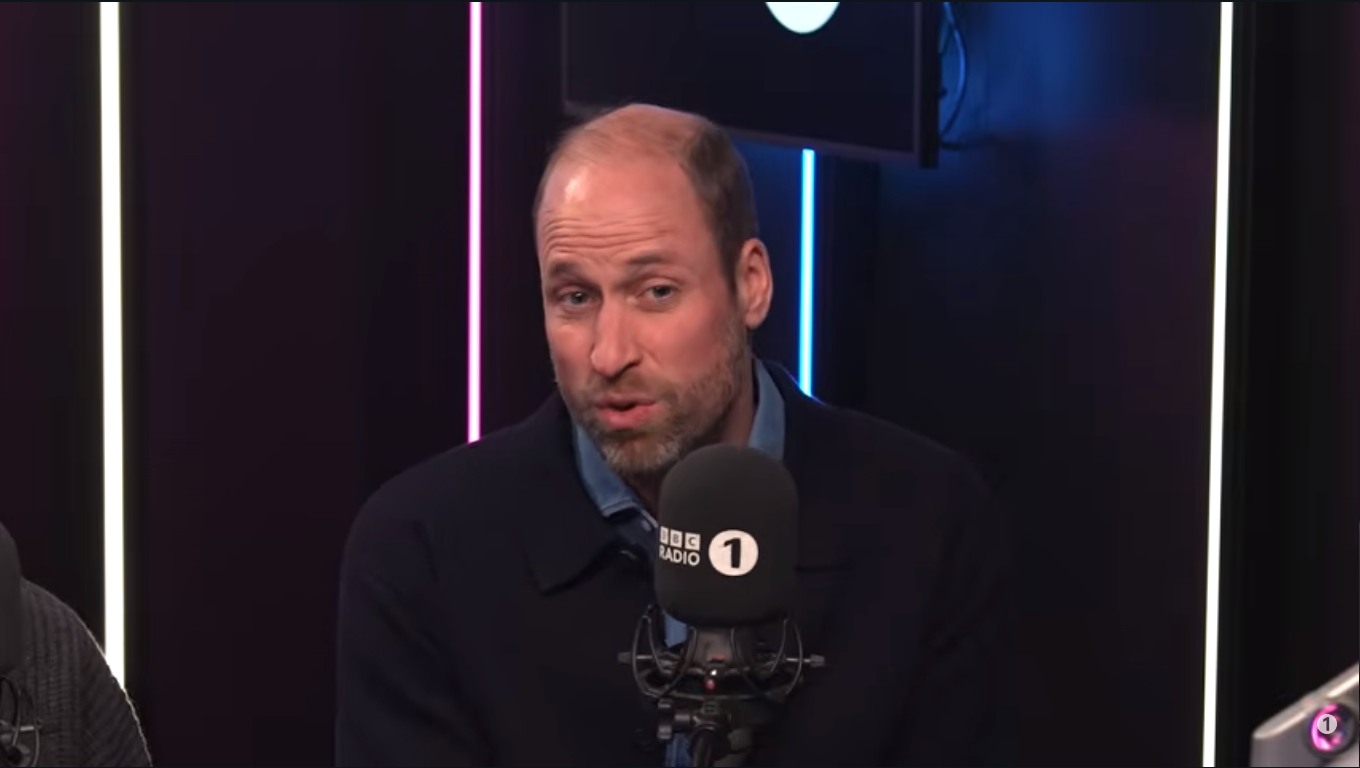
Prince William did an interview with BBC Radio 1’s Life Hacks program, which aired on Wednesday. The point of the interview was William’s awareness-raising on male suicide prevention, which is one of his causes. Within the interview, William doltishly centered himself and spoke about his own mental health struggles, the main struggle being that it takes him a “long time to understand” his emotions. When I covered it yesterday, I argued that William has literally zero authenticity on these subjects given his long history of mocking his brother’s mental health journey, not to mention William’s deeply problematic behavior towards Meghan, his sister-in-law, who was struggling profoundly with suicidal ideation.
Well, I was so wrapped up in my “how dare William say this after the way he treated the Sussexes” rant that I missed another angle to why William was tone-deaf and out-of-touch. Luckily, commentator Shelagh Fogarty caught that angle. Fogarty’s argument is: why is Prince Andrew’s nephew centering men’s mental health instead of making any kind of reference to Jeffrey Epstein’s victims, or Andrew’s victims? Epstein, Ghislaine Maxwell and ex-Prince Andrew have literally left a trail of female victims, some of whom survived some devastating abuse at a young age. Why *this* moment to center men? And why did William sit down for a BBC Radio interview and he wasn’t asked one damn question about Andrew or Epstein?
Fogarty doubled-down on her statements in this LBC column – “Is this really the moment to centre Prince William’s mental health?” – which basically reiterated all of her points. One of her points is that it’s not just Prince Andrew who needs to be questioned by the police – King Charles and Prince William need to answer questions about what they knew and when, and what they did about it and what they did not do about it. As Fogarty writes: “Those questions have not been answered in any comprehensive way. They hang over the institution.” And this:
But timing matters. Context matters.At the heart of the Epstein scandal are women who say they were abused and exploited. Some have died; others continue to struggle with the long-term consequences of trauma and the exhausting pursuit of accountability. What damages the mental health of victims of abuse most profoundly is not only the original crime. It is the sense that powerful institutions close ranks. It is obfuscation, delay, or a refusal to confront uncomfortable truths.
That is why transparency is essential. Documentation relating to Prince Andrew’s time as a UK trade envoy should not sit sealed away for decades. It should be made available appropriately to investigators. The police appear to be looking again at aspects of this affair. They should have access to everything relevant.
Even Jacob Rees-Mogg has argued that princes cannot expect privacy in matters of this kind. I would not go so far as to say they are entitled to none; everyone requires some private space. But when it comes to potential accountability in a case involving serious allegations and international scrutiny, privacy cannot extend to shielding records or avoiding full disclosure.
At present, everything senior royals say risks sounding like noise until the central question is addressed: what did they know about Andrew’s associations and alleged activities, and when did they know it? That information may not implicate them personally. But it goes to the heart of whether the institution sought to protect one of its own rather than prioritise the truth.
In that light, a high-profile appearance focused on the Prince of Wales’s own mental resilience feels, at best, clumsy. At worst, it appears out of touch. It invites the question: whose mental health is being centred at this moment?
If the royal family insists that victims are at the forefront of its thoughts, then that priority must be demonstrated in substance. Not in a single line in a written statement, but in full cooperation with investigators, in transparency over past decisions, and in a clear acknowledgement of the seriousness of what occurred.
She’s exactly right. While my coverage centered William as well, I did that to point out his rank hypocrisy at a personal level, given his behavior towards his brother and sister-in-law. But this is a huge problem as well: that in the midst of the monarchy’s crisis over Andrew, Epstein and Maxwell, the heir to the throne is not actually talking about the victims he supposedly cares about, nor is he addressing the actual crisis or what he personally knows. No one could even get William on the record about Ahmed bin Sulayem, the cofounding partner in Earthshot, who was also sending torture videos to his BFF Jeffrey Epstein.
Emily Maitlis was furious about William’s appearance on Life Hacks as well, and she popped off on The News Agents. One of the points she made is… how can Andrew’s nephew not be asked any questions about Andrew? I have a theory about that, actually, beyond the “of course they wouldn’t ask him about Andrew in the first place?” I think the interview was likely recorded weeks ago, actually.
“The Royals figure, once you open the door – the genie is out”.
Prince William has avoided all mention of his uncle, Andrew Mountbatten Windsor, in a BBC interview.
So are the Royals concerned that addressing the situation, signals a point of no return?@jonsopel | @maitlis pic.twitter.com/gbTHWjbz6V
— The News Agents (@TheNewsAgents) February 18, 2026
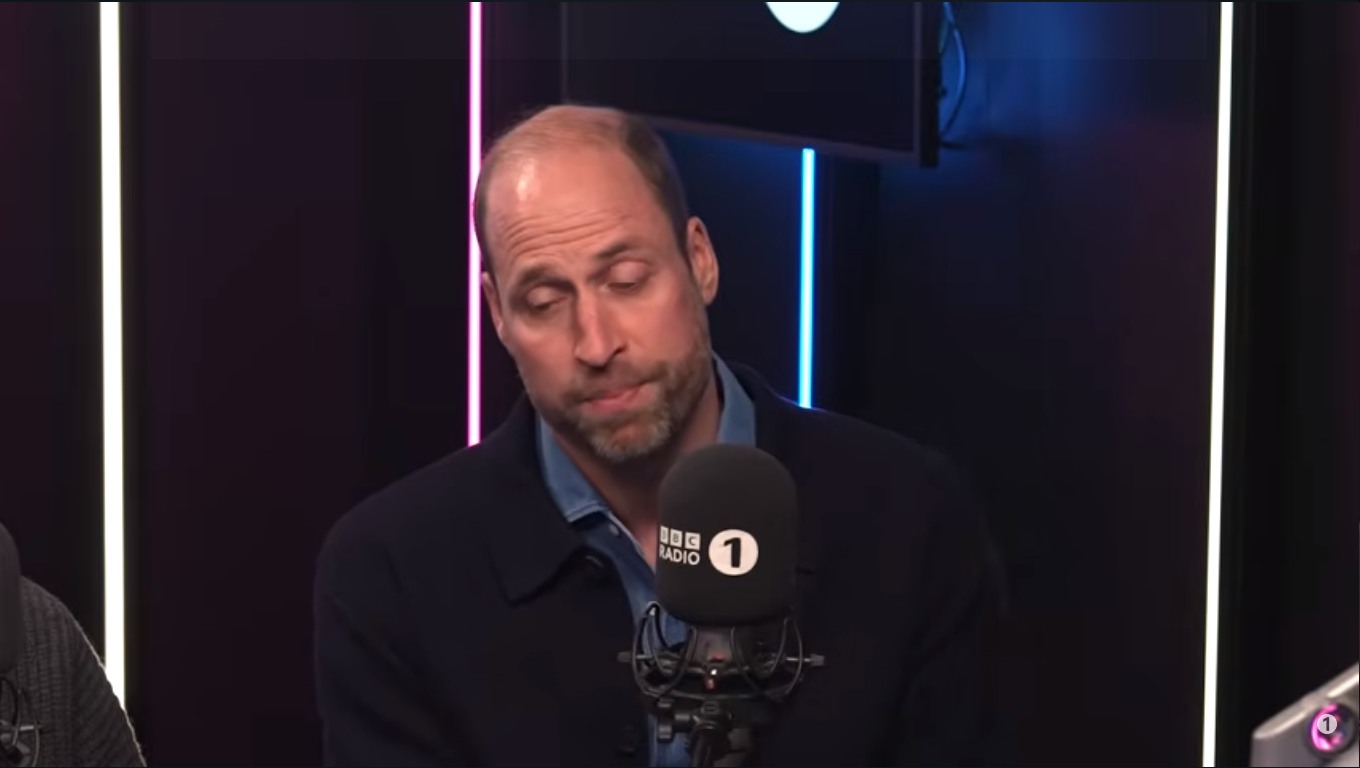
Screencaps courtesy of BBC Radio 1 ‘Life Hacks’ video.